Banana VS Egg White
A detailed nutritional comparison
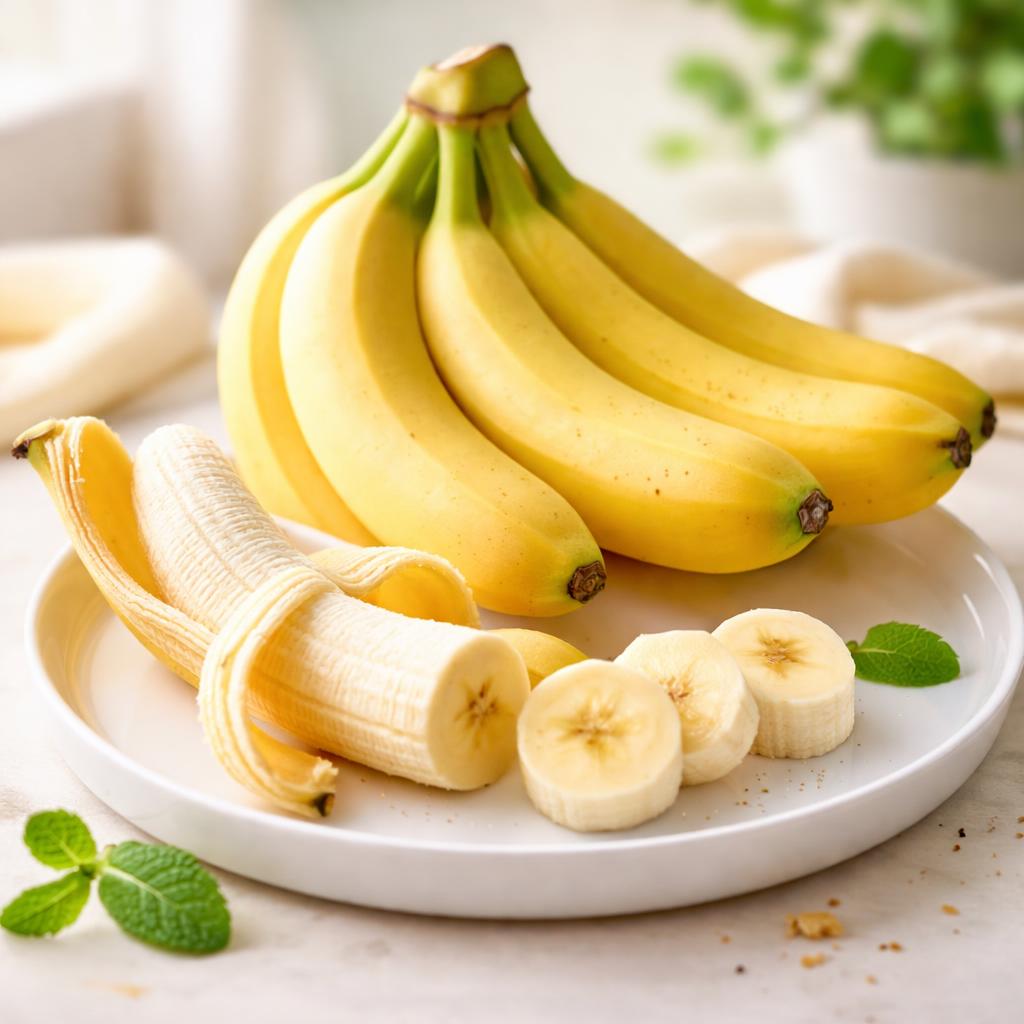
Banana

Egg White
🎯 Quick Verdict
Bananas are higher in fiber, carbohydrates, and potassium, making them an excellent source of quick energy and nutrients. Egg whites are rich in protein and lower in calories, ideal for muscle recovery or weight management. Both offer unique benefits and fit different dietary needs effectively.

Smart Nutrition Tracking with SnapCalorie

📊 Nutritional Comparison
Macronutrients
| Nutrient | Food 1 | Food 2 | Winner |
|---|---|---|---|
| Calories | 105 | 17 | ✓ |
| Protein | 1.3g | 3.6g | ✓ |
| Carbs | 27g | 0.2g | ✓ |
| Fat | 0.3g | 0g | ✓ |
| Fiber | 3.1g | 0g | ✓ |
Vitamins & Minerals
| Nutrient | Food 1 | Food 2 | Winner |
|---|---|---|---|
| Vitamin D | 0 IU | 0 IU | − |
| Potassium | 422mg | 54mg | ✓ |
| Vitamin B6 | 0.4mg | 0mg | ✓ |
| Vitamin C | 9mg | 0mg | ✓ |
🏆 Category Winners
Protein
Egg whites have nearly three times more protein per serving compared to bananas.
Fiber
Bananas are a good source of dietary fiber, while egg whites contain none.
Calories
Egg whites have significantly fewer calories than bananas, ideal for calorie-conscious diets.
Vitamins
Bananas offer higher levels of key vitamins like Vitamin C and Vitamin B6, as well as potassium.
🥗 Diet Compatibility
Keto
Food 1: Not Compatible
Food 2: Compatible
Bananas are high in carbs, whereas egg whites are extremely low-carb.
Vegan
Food 1: Compatible
Food 2: Not Compatible
Bananas are plant-based, but egg whites are animal-derived.
Gluten Free
Food 1: Compatible
Food 2: Compatible
Both foods are naturally gluten-free.
Paleo
Food 1: Compatible
Food 2: Compatible
Both foods are considered paleo-friendly.
Low-Carb
Food 1: Not Compatible
Food 2: Compatible
Egg whites are low in carbs, whereas bananas are carb-rich.
💪 Health Benefits Comparison
Food 1 Benefits
- High in potassium for heart and muscle health
- Rich in Vitamin C and B6 for immune function and energy metabolism
- Provides fiber for healthy digestion and satiety
- Natural energy source due to carbohydrate content
Food 2 Benefits
- Excellent source of high-quality protein for muscle growth and repair
- Low in calories, supporting weight management
- Fat-free, beneficial for heart health
- Low-carb alternative suitable for keto or diabetic diets
✅ The Bottom Line
Choose bananas for quick energy, better digestion, and nutrient density, especially for active individuals or as pre-workout snacks. Opt for egg whites if seeking high protein, low-calorie, low-carb food, particularly in weight-loss or muscle-building dietary plans.
Choose Food 1 for: Energy boost, digestion health, snacks, athletic performance
Choose Food 2 for: Weight loss, muscle recovery, low-carb or keto diets


