Banana VS Creme Brulee
A detailed nutritional comparison
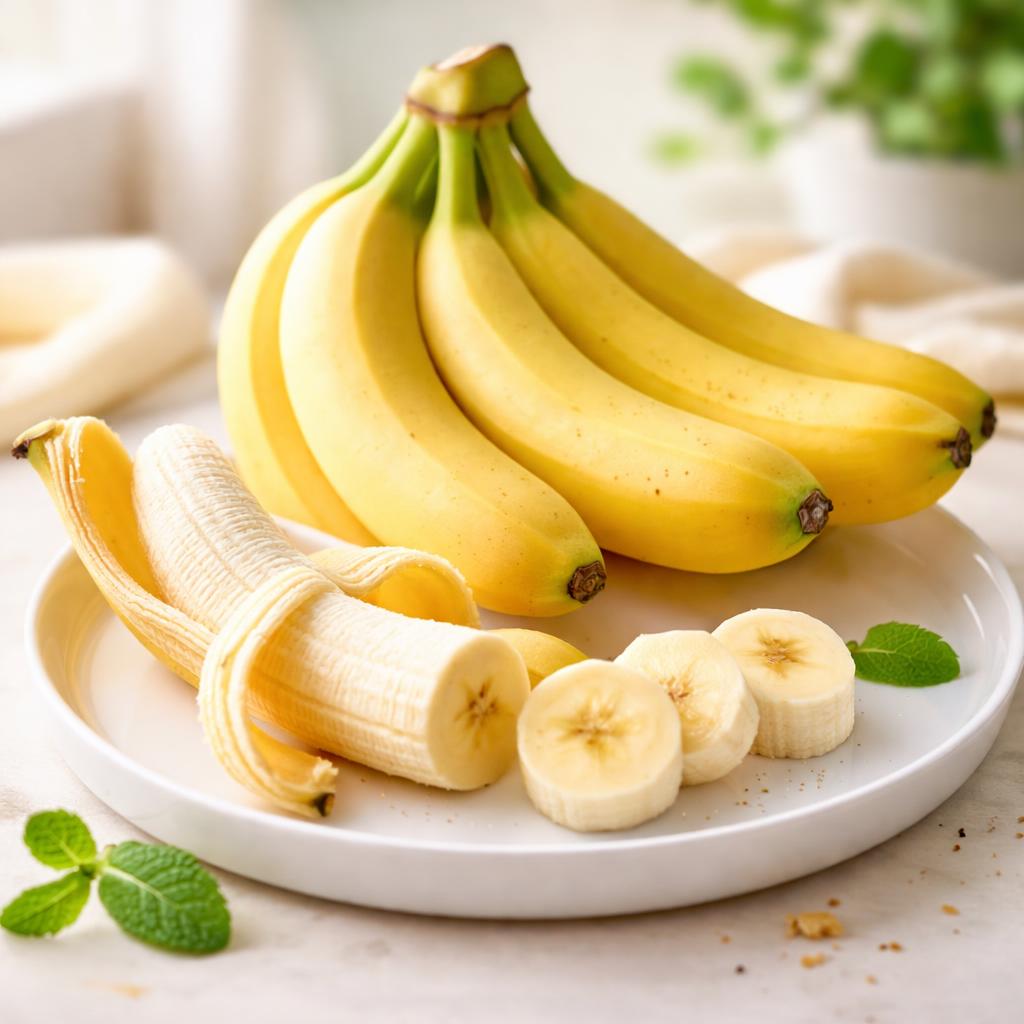
Banana

Creme Brulee
🎯 Quick Verdict
Bananas are nutrient-dense, low-calorie, and high in fiber, making them a healthier everyday option compared to crème brûlée, which is high in calories, sugar, and fat. While bananas are great for fueling activity and digestion, crème brûlée is more of an indulgent treat, providing a rich dessert experience but limited nutritional value.

Smart Nutrition Tracking with SnapCalorie

📊 Nutritional Comparison
Macronutrients
| Nutrient | Food 1 | Food 2 | Winner |
|---|---|---|---|
| Calories | 89 | 250 | − |
| Protein | 1.1g | 5g | − |
| Carbs | 23g | 26g | − |
| Fat | 0.3g | 12g | − |
| Fiber | 2.6g | 0g | − |
Vitamins & Minerals
| Nutrient | Food 1 | Food 2 | Winner |
|---|---|---|---|
| Vitamin C | 8.7mg | 0mg | − |
| Potassium | 358mg | 45mg | − |
| Iron | 0.26mg | 0.2mg | − |
🏆 Category Winners
Protein
Crème brûlée has nearly 5 times more protein than a banana, mostly from egg and dairy sources.
Fiber
Banana provides 2.6g of fiber, while crème brûlée has none.
Calories
Banana has 64% fewer calories compared to crème brûlée.
🥗 Diet Compatibility
Keto
Food 1: Not Compatible
Food 2: Not Compatible
Both foods are high in carbohydrates, making them unsuitable for the keto diet.
Vegan
Food 1: Compatible
Food 2: Not Compatible
Bananas are plant-based, while crème brûlée contains eggs and dairy.
Gluten Free
Food 1: Compatible
Food 2: Compatible
Neither food includes gluten ingredients.
Paleo
Food 1: Compatible
Food 2: Not Compatible
Bananas align with paleo principles, while crème brûlée contains processed sugar and dairy.
Low Carb
Food 1: Not Compatible
Food 2: Not Compatible
Both foods exceed typical carbohydrate limits for a low-carb diet.
💪 Health Benefits Comparison
Food 1 Benefits
- Rich in potassium for heart and muscle function
- Contains fiber to aid digestion
- Provides vitamin C to support immunity
Food 2 Benefits
- Provides protein from eggs, helpful for cell repair
- Rich and energy-dense for occasional indulgence
- Contains calcium for bone health due to dairy
✅ The Bottom Line
For weight management and everyday nutrition, bananas are the clear winner with fewer calories, more fiber, and essential vitamins like potassium and vitamin C. Crème brûlée, while much higher in calories and fat, offers a protein boost and is best enjoyed as an occasional dessert treat.
Choose Food 1 for: Daily snacks, post-workout recovery, digestion support
Choose Food 2 for: Special occasion desserts, high-energy indulgence


