Banana VS Cranberry
A detailed nutritional comparison
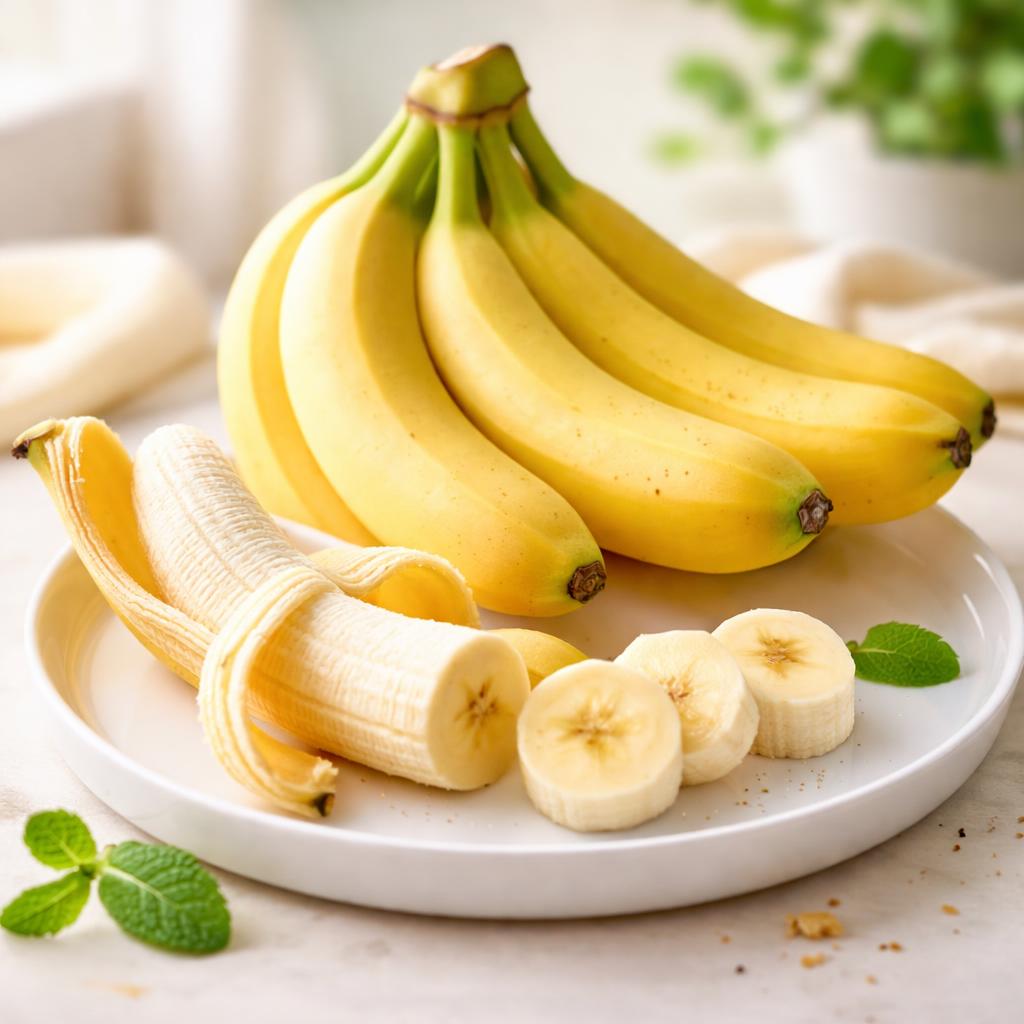
Banana
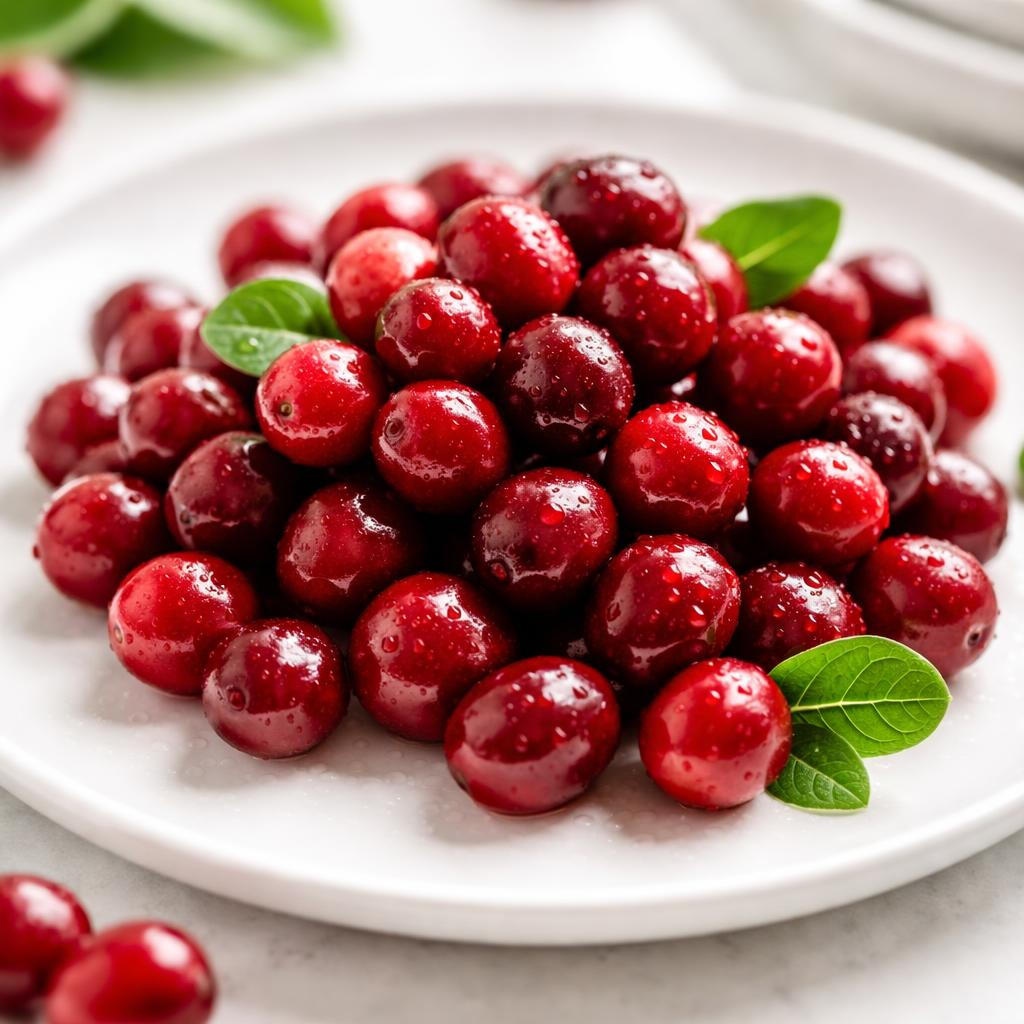
Cranberry
🎯 Quick Verdict
Bananas are a good source of quick energy with slightly more protein, fewer calories, and higher potassium, while cranberries are lower in sugar and richer in fiber and antioxidants. Bananas are ideal post-workout or for immediate energy, whereas cranberries support digestion and heart health.

Smart Nutrition Tracking with SnapCalorie

📊 Nutritional Comparison
Macronutrients
| Nutrient | Food 1 | Food 2 | Winner |
|---|---|---|---|
| Calories | 89 | 46 | ✓ |
| Protein | 1.1g | 0.4g | ✓ |
| Carbs | 23g | 12g | ✓ |
| Fat | 0.3g | 0.1g | ✓ |
| Fiber | 2.6g | 3.6g | ✓ |
Vitamins & Minerals
| Nutrient | Food 1 | Food 2 | Winner |
|---|---|---|---|
| Potassium | 358mg | 85mg | ✓ |
| Vitamin C | 8.7mg | 14mg | ✓ |
| Vitamin A | 3mcg | 1mcg | ✓ |
🏆 Category Winners
Protein
Banana provides nearly 3 times more protein than cranberry.
Fiber
Cranberry is richer in fiber, aiding digestion better.
Calories
Cranberry has about 50% fewer calories than banana.
Vitamins
Cranberry surpasses banana in Vitamin C, an immune-boosting antioxidant.
🥗 Diet Compatibility
Keto
Food 1: Not Compatible
Food 2: Not Compatible
Both are high-carb fruits, making them unsuitable for keto.
Vegan
Food 1: Compatible
Food 2: Compatible
Both are plant-based foods.
Gluten Free
Food 1: Compatible
Food 2: Compatible
Both are naturally gluten-free.
Paleo
Food 1: Compatible
Food 2: Compatible
Both fit within paleo guidelines.
Low-Carb
Food 1: Not Compatible
Food 2: Compatible
Cranberries are lower in carbs compared to bananas.
💪 Health Benefits Comparison
Food 1 Benefits
- Rich in potassium to support muscle and nerve function
- Good source of quick energy from natural sugars
- Contains Vitamin A for eye health
Food 2 Benefits
- High fiber content to improve digestion
- Rich in antioxidants that contribute to heart health
- Provides immunity-boosting Vitamin C
✅ The Bottom Line
Choose banana if you need immediate energy or post-workout recovery due to its higher carbs and potassium. Opt for cranberry if you're aiming for better digestion, lower calories, and antioxidants for heart health.
Choose Food 1 for: Quick energy, muscle support, post-workout snack
Choose Food 2 for: Digestive aid, heart health, lower-calorie diets


