Banana VS Corn On The Cob
A detailed nutritional comparison
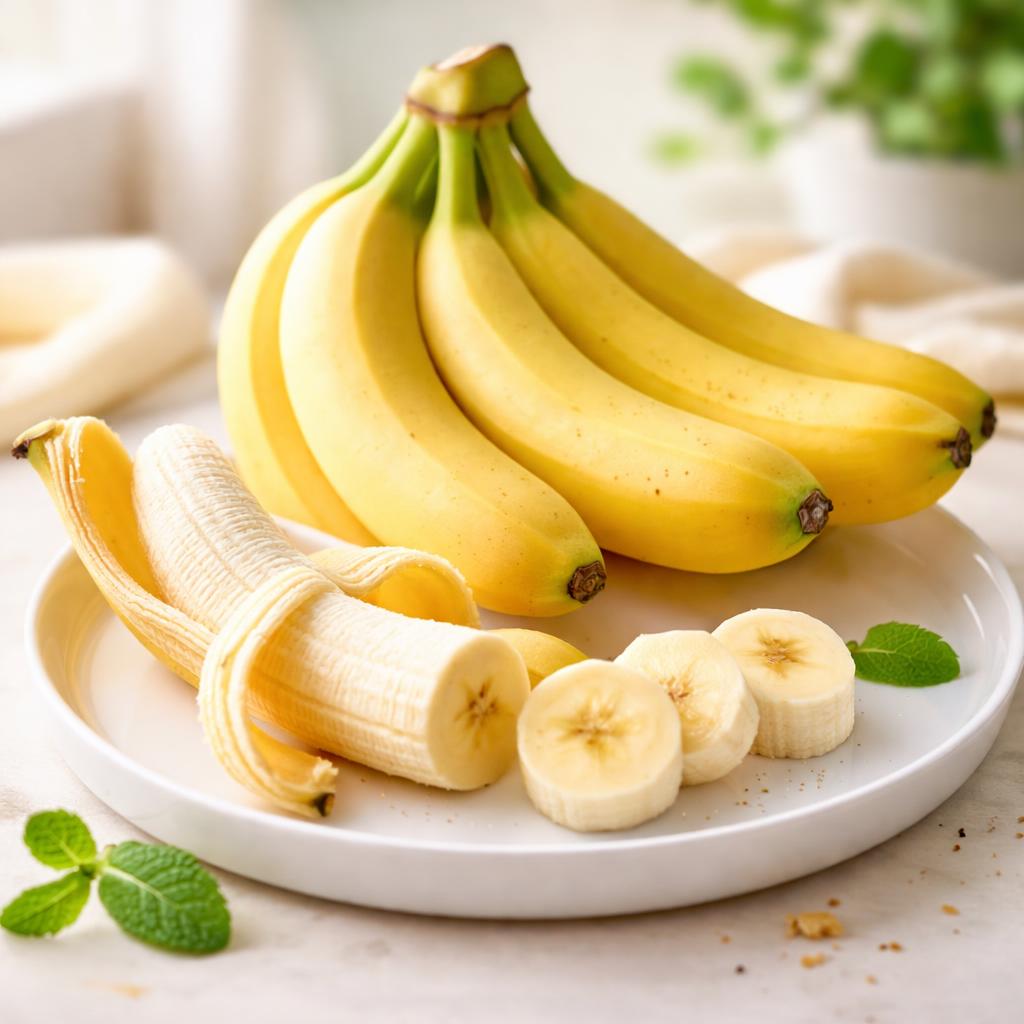
Banana
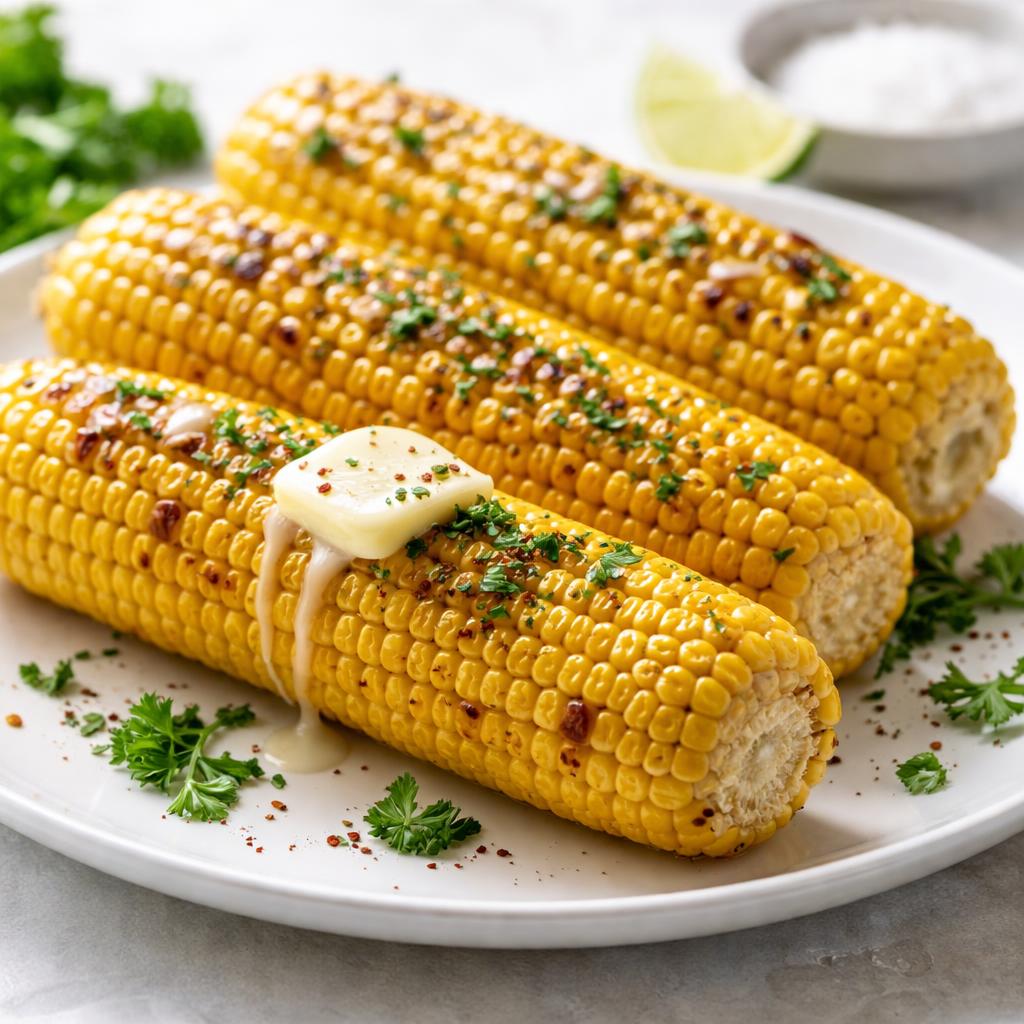
Corn On The Cob
🎯 Quick Verdict
Bananas are slightly lower in calories and carbs, making them a good option for snacks or quick energy. Corn on the cob, on the other hand, contains slightly more protein and comparable fiber, which makes it more filling and suitable for balanced meals. Both are nutrient-dense and versatile depending on dietary needs.

Smart Nutrition Tracking with SnapCalorie

📊 Nutritional Comparison
Macronutrients
| Nutrient | Food 1 | Food 2 | Winner |
|---|---|---|---|
| Calories | 105 | 122 | ✓ |
| Protein | 1.3g | 3.4g | ✓ |
| Carbs | 27g | 25g | ✓ |
| Fat | 0.3g | 1.8g | ✓ |
| Fiber | 3.1g | 3g | − |
Vitamins & Minerals
| Nutrient | Food 1 | Food 2 | Winner |
|---|---|---|---|
| Vitamin C | 10.3mg | 6.8mg | ✓ |
| Vitamin B6 | 0.4mg | 0.3mg | ✓ |
| Vitamin A | 76IU | 191IU | ✓ |
| Potassium | 422mg | 320mg | ✓ |
| Magnesium | 31mg | 37mg | ✓ |
🏆 Category Winners
Protein
Corn on the cob has over 2.5 times the protein compared to banana.
Fiber
Both provide comparable fiber, around 3g per serving.
Calories
Banana is slightly lower in calories with 105 per serving compared to 122 for corn.
Vitamins
Food1 excels in potassium and vitamin C, while food2 provides more vitamin A and magnesium.
🥗 Diet Compatibility
Keto
Food 1: Not Compatible
Food 2: Not Compatible
Both foods are higher carb and not suitable for keto diets.
Vegan
Food 1: Compatible
Food 2: Compatible
Both are plant-based and fit vegan diets.
Gluten Free
Food 1: Compatible
Food 2: Compatible
Neither food contains gluten.
Paleo
Food 1: Compatible
Food 2: Compatible
Both are whole, unprocessed foods.
Low-Carb
Food 1: Not Compatible
Food 2: Not Compatible
Each food contains over 25g of carbs, which is high for low-carb regimens.
💪 Health Benefits Comparison
Food 1 Benefits
- High in potassium for heart health and muscle function
- Good source of vitamin C, boosting immunity
- Contains soluble fiber for improved digestion
Food 2 Benefits
- Provides protein to support satiety and muscle maintenance
- Contains magnesium for energy production and muscle health
- Rich in antioxidants for reducing inflammation
✅ The Bottom Line
Bananas are great for quick energy and snacks, especially if you’re looking for potassium and vitamin C. Corn on the cob is more filling and higher in protein, making it a better side dish for balanced meals. Choose based on your specific dietary needs and timing.
Choose Food 1 for: Quick energy, digestion support, portable snack
Choose Food 2 for: Balanced meals, heart health, sustained fullness


