Banana VS Cookie
A detailed nutritional comparison
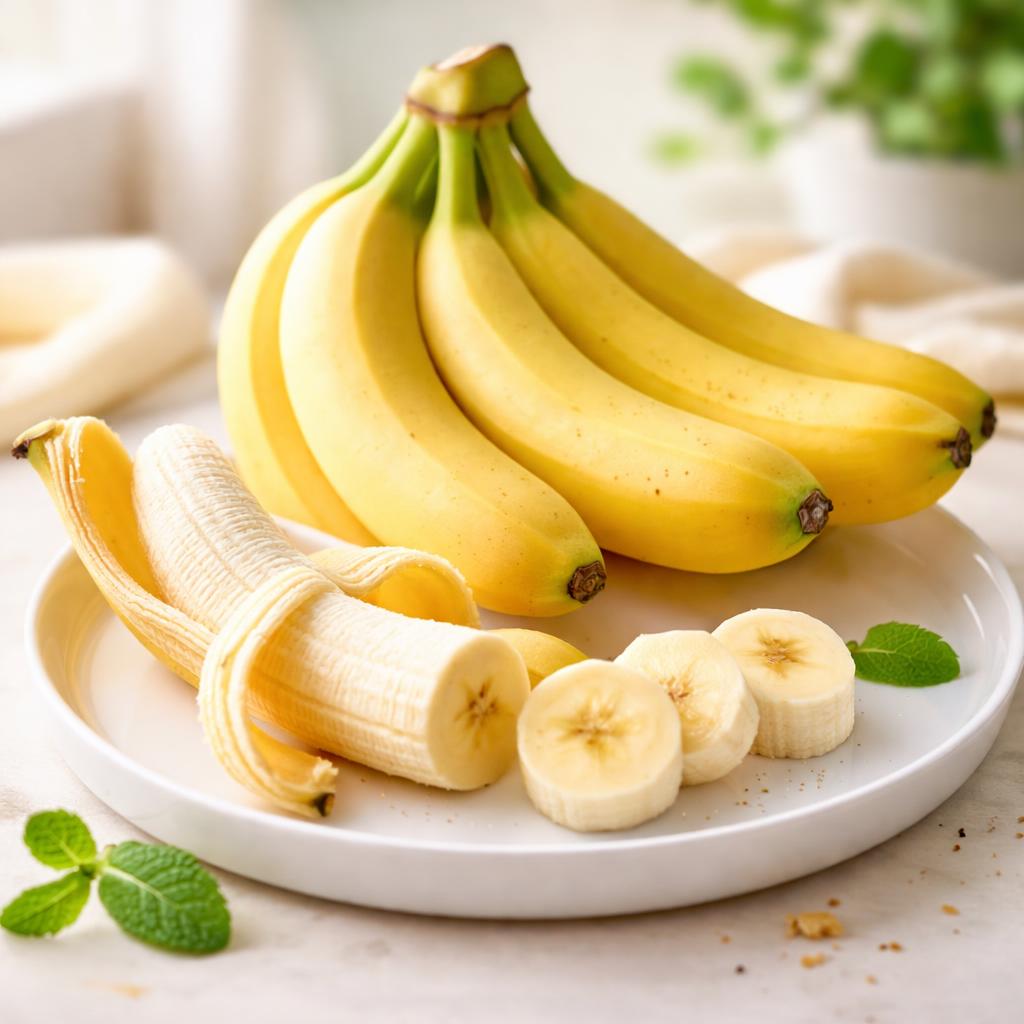
Banana
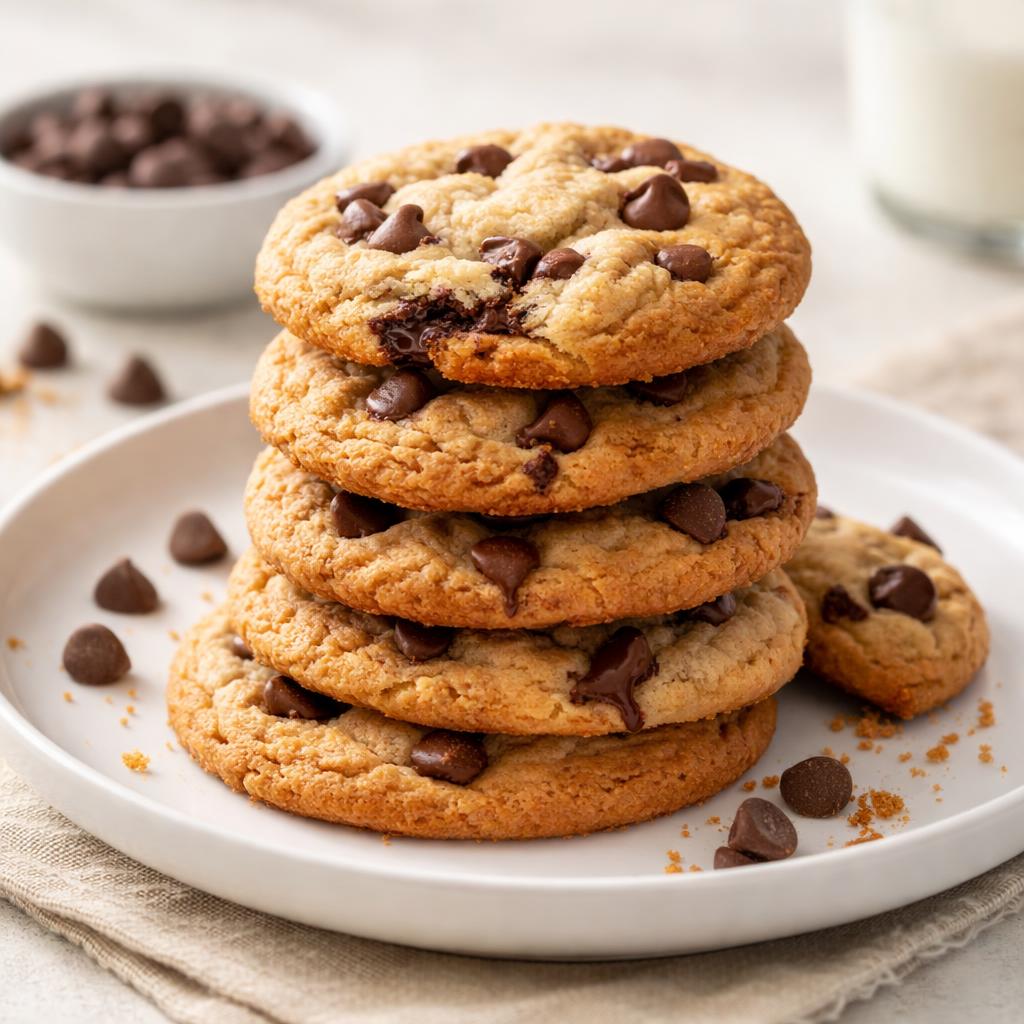
Cookie
🎯 Quick Verdict
Bananas and cookies serve very different nutritional roles. Bananas are lower in calories, higher in fiber, and provide natural sugars along with potassium and vitamin C. Cookies are higher in protein and fat, providing more energy and taste, but often contain added sugars.

Smart Nutrition Tracking with SnapCalorie

📊 Nutritional Comparison
Macronutrients
| Nutrient | Food 1 | Food 2 | Winner |
|---|---|---|---|
| Calories | 105 | 160 | − |
| Protein | 1.3g | 2g | − |
| Carbs | 27g | 21g | − |
| Fat | 0.3g | 7g | − |
| Fiber | 3g | 1g | − |
Vitamins & Minerals
| Nutrient | Food 1 | Food 2 | Winner |
|---|---|---|---|
| Vitamin C | 10mg | 0mg | − |
| Potassium | 422mg | 45mg | − |
| Calcium | 5mg | 15mg | − |
| Iron | 0.3mg | 0.6mg | − |
🏆 Category Winners
Protein
Cookies contain slightly more protein per serving due to added ingredients like flour or eggs.
Fiber
Bananas contain three times as much fiber per serving, aiding digestion.
Calories
Bananas have 34% fewer calories per serving.
Vitamins
Bananas are rich in vitamin C and potassium, both essential nutrients not present in cookies.
🥗 Diet Compatibility
Keto
Food 1: Not Compatible
Food 2: Not Compatible
Both foods are high in carbohydrates.
Vegan
Food 1: Compatible
Food 2: Dependent on recipe
Bananas are naturally vegan, while cookies may contain animal products like eggs or butter.
Gluten Free
Food 1: Compatible
Food 2: Not Compatible
Bananas are naturally gluten-free, but cookies usually contain wheat flour.
Paleo
Food 1: Compatible
Food 2: Not Compatible
Bananas align with the paleo diet's whole-food principles, but processed cookies don't.
Low-Carb
Food 1: Not Compatible
Food 2: Not Compatible
Both options are carbohydrate-heavy.
💪 Health Benefits Comparison
Food 1 Benefits
- High in potassium for heart and muscle health
- Good source of fiber for improved digestion
- Contains natural sugars for quick energy
Food 2 Benefits
- Provides a quick source of energy from fats
- May contain small amounts of protein for muscle repair
- Iron in cookies contributes to hemoglobin production
✅ The Bottom Line
Choose bananas for a natural, nutrient-dense snack rich in fiber and vitamins. Opt for cookies when seeking indulgence or a quick energy boost during intense activity, but consume in moderation due to added sugars and fats.
Choose Food 1 for: Healthy snacking, digestion support, vitamin C boost
Choose Food 2 for: Quick energy, protein supplementation, occasional treat


