Banana VS Chocolate Milk
A detailed nutritional comparison
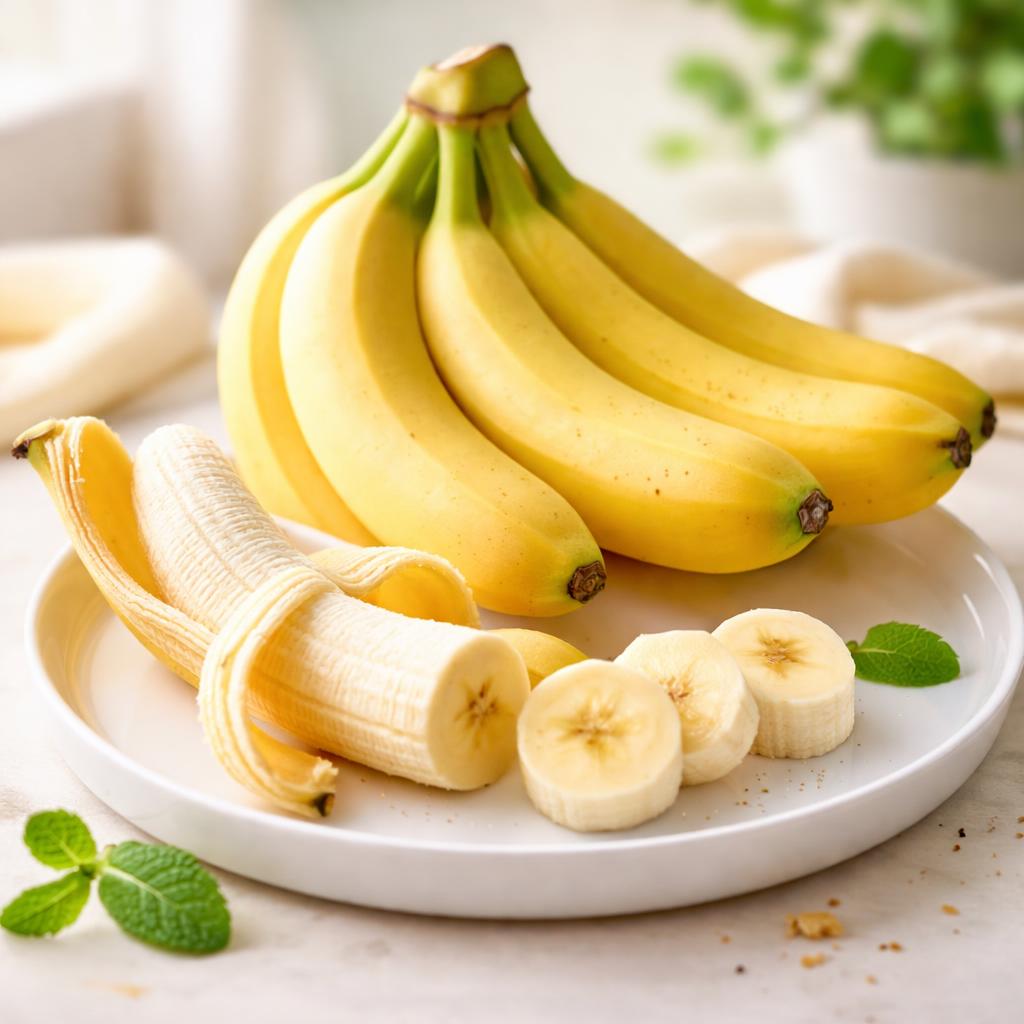
Banana
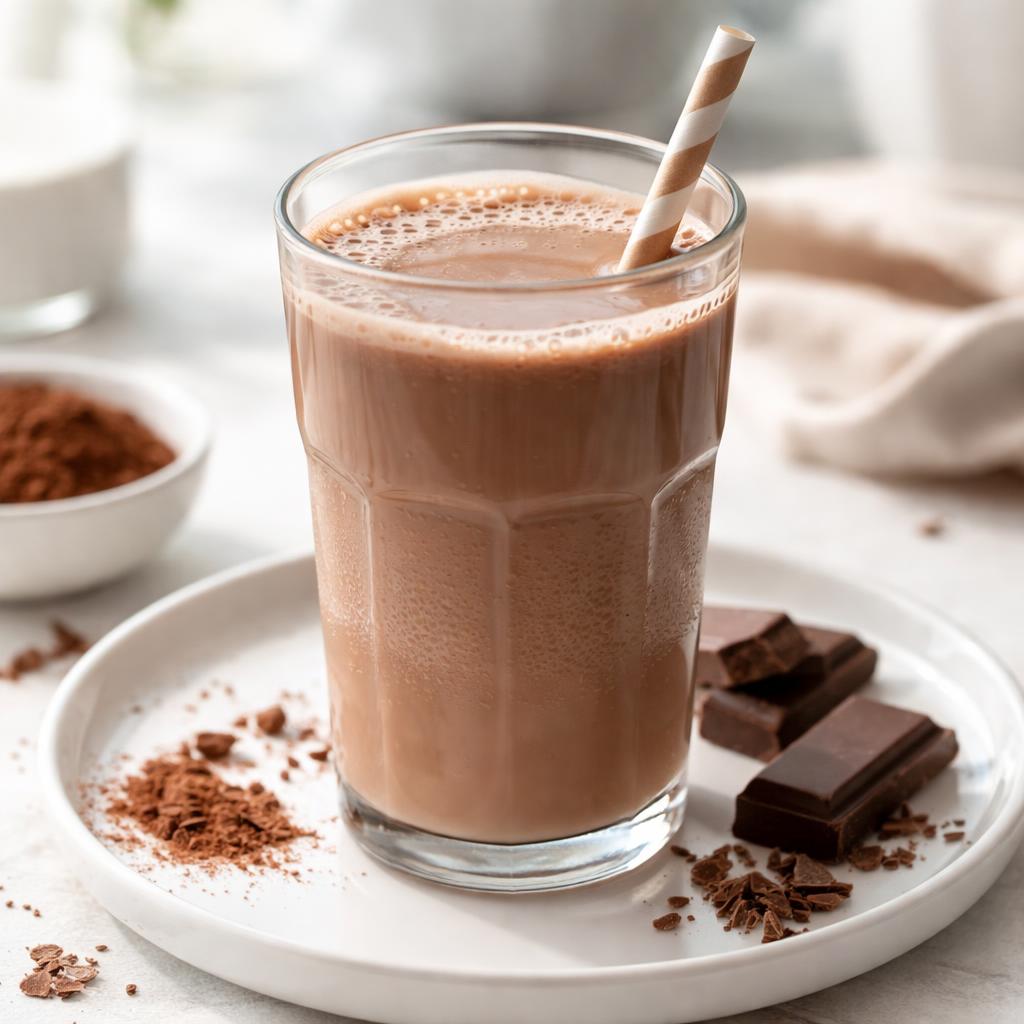
Chocolate Milk
🎯 Quick Verdict
Bananas are lower in calories and higher in fiber compared to chocolate milk, making them a healthier snack for weight management and digestion. On the other hand, chocolate milk is higher in protein and contains more calcium, making it a better option for post-workout recovery or bone health. Both offer distinct nutritional advantages depending on dietary goals.

Smart Nutrition Tracking with SnapCalorie

📊 Nutritional Comparison
Macronutrients
| Nutrient | Food 1 | Food 2 | Winner |
|---|---|---|---|
| Calories | 105 | 200 | ✓ |
| Protein | 1.3g | 8g | ✓ |
| Carbs | 27g | 26g | − |
| Fat | 0.3g | 5g | ✓ |
| Fiber | 3g | 0g | ✓ |
Vitamins & Minerals
| Nutrient | Food 1 | Food 2 | Winner |
|---|---|---|---|
| Vitamin D | 0mcg | 2.5mcg | ✓ |
| Calcium | 5mg | 300mg | ✓ |
| Iron | 0.3mg | 0.5mg | ✓ |
| Potassium | 422mg | 420mg | − |
| Vitamin C | 10mg | 0mg | ✓ |
🏆 Category Winners
Protein
Chocolate milk has 8x more protein than a banana per serving.
Fiber
Bananas contain 3g of fiber, while chocolate milk contains none.
Calories
Bananas are nearly half the calories of chocolate milk.
Vitamins
Bananas excel in Vitamin C and Potassium, while chocolate milk provides Vitamin D and Calcium.
🥗 Diet Compatibility
Keto
Food 1: Not Compatible
Food 2: Not Compatible
Both are too high in carbs for a keto diet.
Vegan
Food 1: Compatible
Food 2: Not Compatible
Bananas are plant-based; chocolate milk contains dairy.
Gluten Free
Food 1: Compatible
Food 2: Compatible
Neither contains gluten.
Paleo
Food 1: Compatible
Food 2: Not Compatible
Bananas align with paleo guidelines; chocolate milk does not due to dairy and added sugars.
Low Carb
Food 1: Not Compatible
Food 2: Not Compatible
Both are relatively high in carbohydrates.
💪 Health Benefits Comparison
Food 1 Benefits
- High in fiber to support digestion
- Rich in potassium for heart health and muscle function
- Good source of Vitamin C, boosting the immune system
- Provides natural energy from complex carbohydrates
Food 2 Benefits
- High protein content aids in muscle recovery and growth
- Rich in calcium and Vitamin D for bone strength
- Contains potassium for balanced electrolytes
- A source of quick energy due to carbohydrates and simple sugars
✅ The Bottom Line
Choose a banana for a light, portable, and fiber-rich snack, especially if you’re looking for a low-calorie, nutrient-dense option. Opt for chocolate milk for muscle recovery or when you need a protein-rich, calcium-packed drink, particularly post-workout. Both serve different nutritional purposes effectively.
Choose Food 1 for: Weight management, digestion, quick energy, on-the-go snacking
Choose Food 2 for: Post-workout recovery, protein intake, bone health, sustained energy


