Banana VS Chocolate Bar
A detailed nutritional comparison

Banana
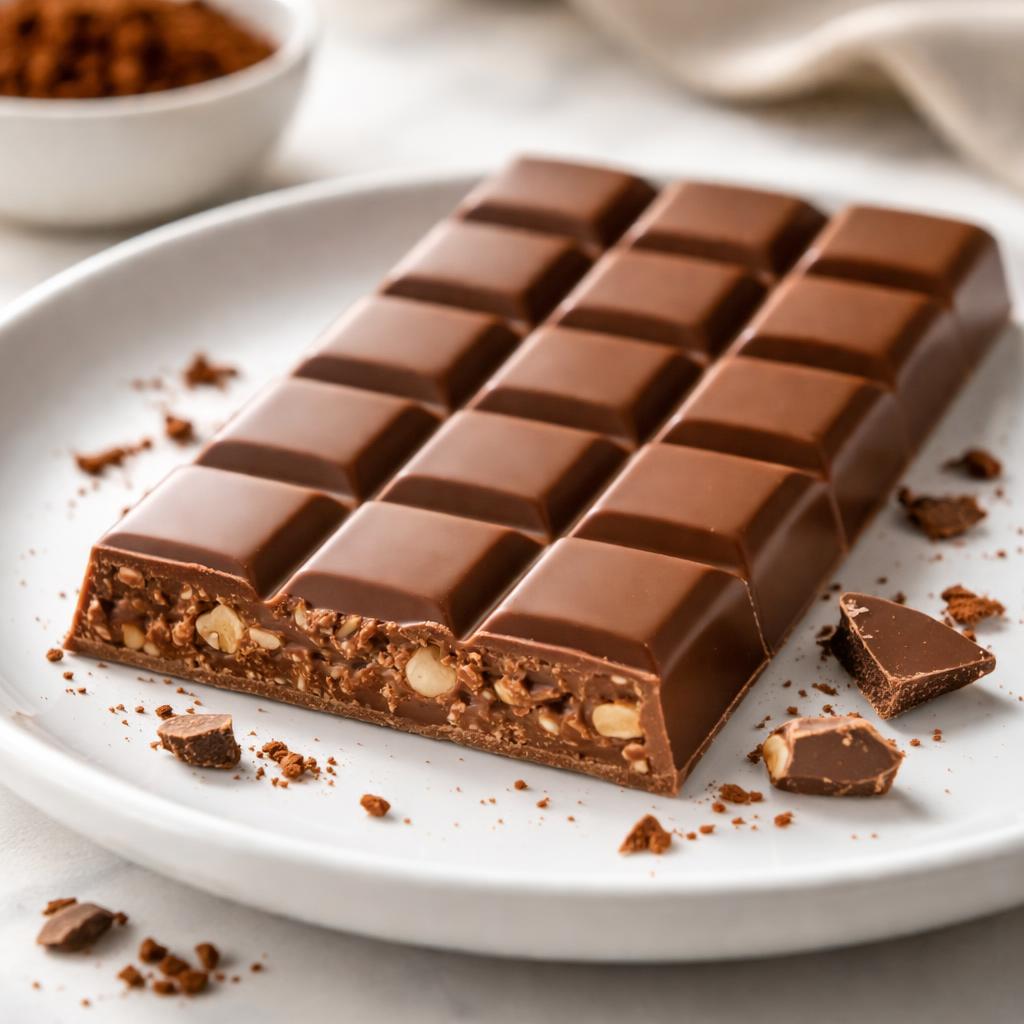
Chocolate Bar
🎯 Quick Verdict
Bananas and chocolate bars serve different dietary roles. Bananas are lower in calories, higher in fiber, and rich in essential vitamins and minerals, making them a healthier snack option. Chocolate bars are higher in protein but contain significantly more calories, fat, and sugar, offering quick energy rather than balanced nutrition.

Smart Nutrition Tracking with SnapCalorie

📊 Nutritional Comparison
Macronutrients
| Nutrient | Food 1 | Food 2 | Winner |
|---|---|---|---|
| Calories | 105 | 250 | ✓ |
| Protein | 1.3g | 3.4g | ✓ |
| Carbs | 27g | 30g | ✓ |
| Fat | 0.3g | 13g | ✓ |
| Fiber | 3.1g | 1.3g | ✓ |
Vitamins & Minerals
| Nutrient | Food 1 | Food 2 | Winner |
|---|---|---|---|
| Vitamin C | 10.3mg | 0.1mg | ✓ |
| Potassium | 422mg | 158mg | ✓ |
| Iron | 0.3mg | 2mg | ✓ |
🏆 Category Winners
Protein
Chocolate bars contain 2.6g more protein per serving than bananas.
Fiber
Bananas are over twice as high in fiber as chocolate bars.
Calories
Bananas have less than half the calories of a chocolate bar per serving.
Vitamins
Bananas outshine chocolate bars in essential vitamins like Vitamin C and potassium.
🥗 Diet Compatibility
Keto
Food 1: Not Compatible
Food 2: Not Compatible
Both foods are high in carbs.
Vegan
Food 1: Compatible
Food 2: Check ingredients (may contain dairy)
Bananas are always vegan; chocolate bars depend on the brand.
Gluten Free
Food 1: Compatible
Food 2: Check ingredients
Bananas are naturally gluten-free; chocolate bars may contain gluten depending on added ingredients.
Paleo
Food 1: Compatible
Food 2: Not Compatible
Bananas fit the whole-food criteria of paleo; chocolate bars are processed and typically not paleo-friendly.
Low-Carb
Food 1: Not Compatible
Food 2: Not Compatible
Both foods are relatively high in carbs.
💪 Health Benefits Comparison
Food 1 Benefits
- Rich in potassium to support heart health and muscle function
- Provides natural sugars for sustained energy
- Contains Vitamin C for immune system support
- Good source of dietary fiber for digestive health
Food 2 Benefits
- Source of iron to aid in oxygen transport in the body
- Contains antioxidants like flavonoids for reducing inflammation
- Provides quick energy due to sugar and fat content
- May contain healthy fats if made with high-quality cocoa butter
✅ The Bottom Line
Bananas are a healthier and more balanced snack, ideal for anyone seeking sustained energy and essential nutrients. Chocolate bars are indulgent and calorie-dense, best suited for occasional treats or quick energy boosts. Choose based on your dietary goals and preferences.
Choose Food 1 for: Healthy snacking, digestion, replenishing electrolytes.
Choose Food 2 for: Quick energy, occasional indulgence, iron supplementation.


