Banana VS Chicken
A detailed nutritional comparison
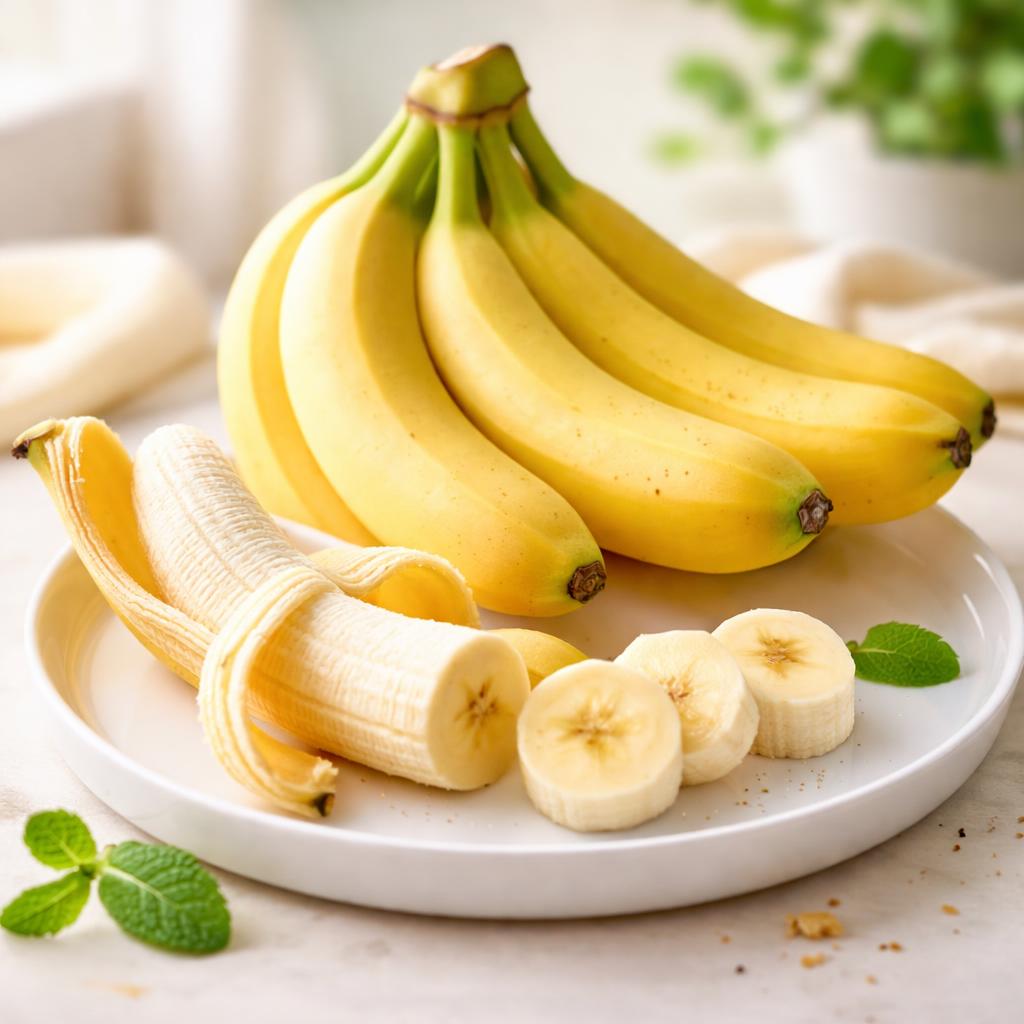
Banana
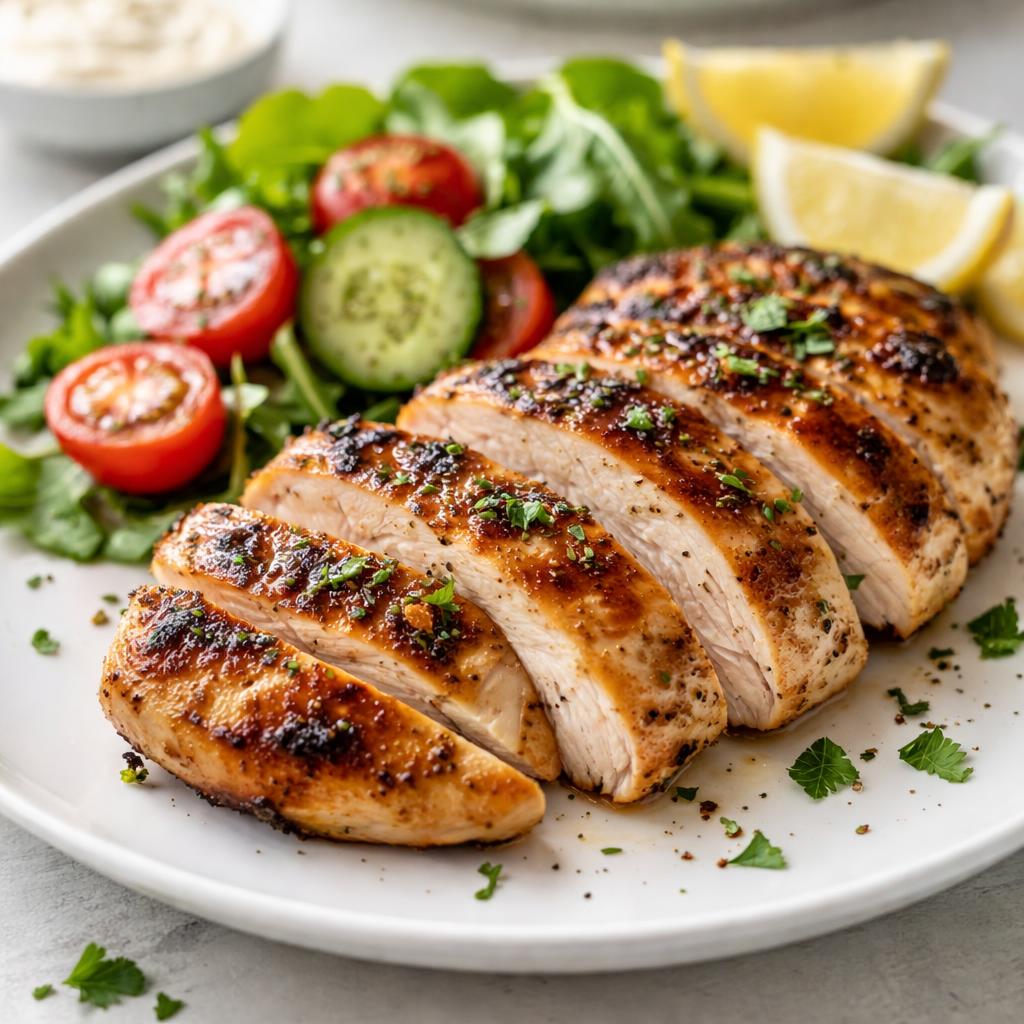
Chicken
🎯 Quick Verdict
Bananas and chicken serve very different roles in a balanced diet. Chicken provides significantly more protein and fewer carbohydrates, making it ideal for muscle building and weight management. Bananas are higher in fiber and carbs, offering quick energy and nutrients for overall health. The best choice depends on dietary goals and timing of consumption.

Smart Nutrition Tracking with SnapCalorie

📊 Nutritional Comparison
Macronutrients
| Nutrient | Food 1 | Food 2 | Winner |
|---|---|---|---|
| Calories | 105 | 165 | ✓ |
| Protein | 1.3g | 31g | ✓ |
| Carbs | 27g | 0g | ✓ |
| Fat | 0.3g | 3.6g | ✓ |
| Fiber | 3g | 0g | ✓ |
Vitamins & Minerals
| Nutrient | Food 1 | Food 2 | Winner |
|---|---|---|---|
| Vitamin B6 | 0.4mg | 0.6mg | ✓ |
| Vitamin C | 10.3mg | 0mg | ✓ |
| Potassium | 422mg | 223mg | ✓ |
| Iron | 0.3mg | 1.3mg | ✓ |
🏆 Category Winners
Protein
Food2 (chicken) has more protein—31g per serving vs 1.3g in food1 (banana).
Fiber
Food1 (banana) provides 3g of fiber, while food2 contains none.
Calories
Food1 is lower in calories (105 vs 165), providing a lighter option.
Vitamins
Food1 offers higher potassium and vitamin C levels than food2.
🥗 Diet Compatibility
Keto
Food 1: Not Compatible
Food 2: Compatible
Food2 (chicken) is very low-carb, while food1 (banana) is high-carb.
Vegan
Food 1: Compatible
Food 2: Not Compatible
Food1 (banana) is plant-based; food2 (chicken) is animal-based.
Gluten Free
Food 1: Compatible
Food 2: Compatible
Neither food contains gluten.
Paleo
Food 1: Not Compatible
Food 2: Compatible
Food2 (chicken) aligns with paleo diets, while food1 (banana) does not due to its starchy nature.
Low-Carb
Food 1: Not Compatible
Food 2: Compatible
Food2 (chicken) is carb-free, whereas food1 contains 27g of carbohydrates per serving.
💪 Health Benefits Comparison
Food 1 Benefits
- Rich in potassium for heart health and muscle function
- Provides quick energy due to natural sugars
- Contains vitamin C, supporting immunity
- Good source of dietary fiber for digestive health
Food 2 Benefits
- Excellent protein source for muscle growth and maintenance
- Low in carbs and suitable for weight management
- Contains B-vitamins for energy metabolism
- Provides iron for oxygen transport in the blood
✅ The Bottom Line
Bananas and chicken serve different purposes in a balanced diet. Choose bananas for quick energy, fiber, and micronutrients, especially as a snack or pre-workout fuel. Opt for chicken for high-quality protein, low-carb meals, and muscle repair. Each food excels in specific dietary applications.
Choose Food 1 for: Snacking, pre-workout energy boost, digestion
Choose Food 2 for: Weight loss, high-protein diets, post-workout recovery


