Banana VS Buttermilk
A detailed nutritional comparison
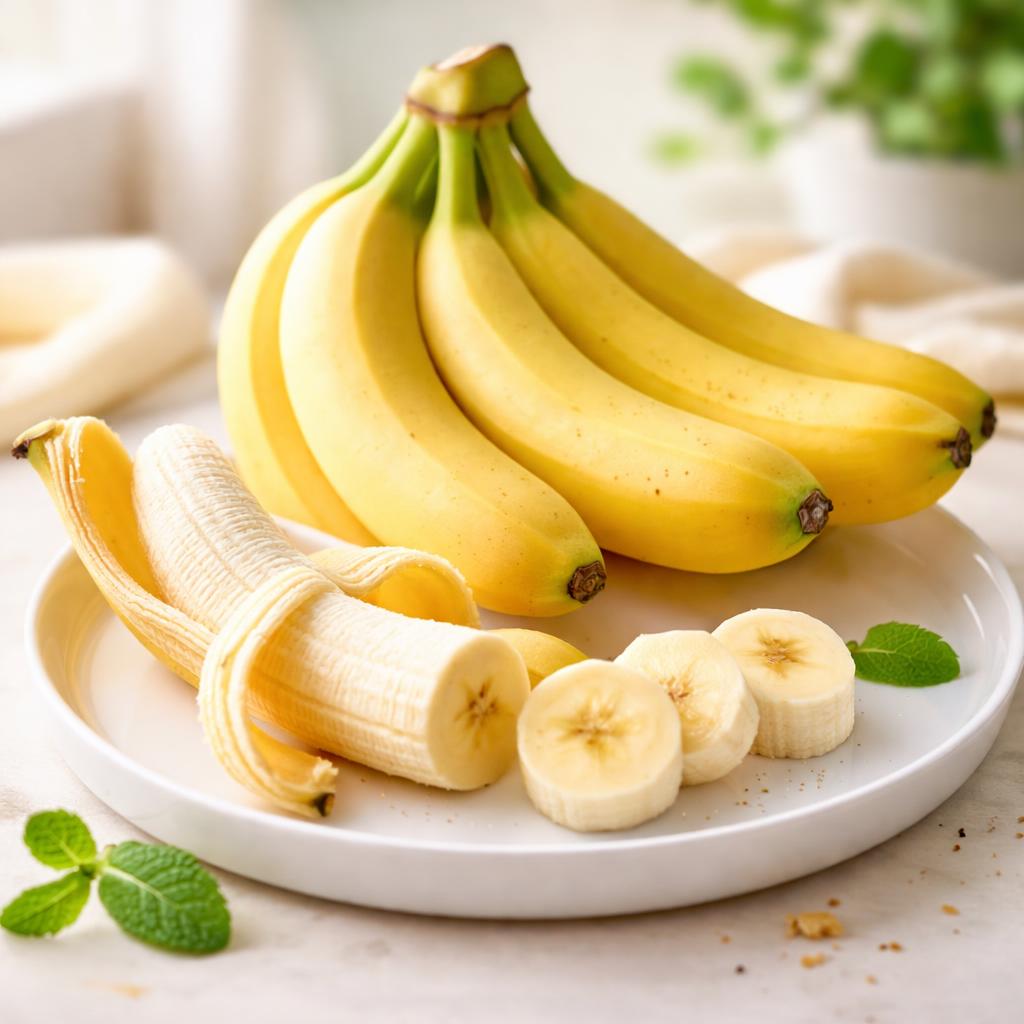
Banana
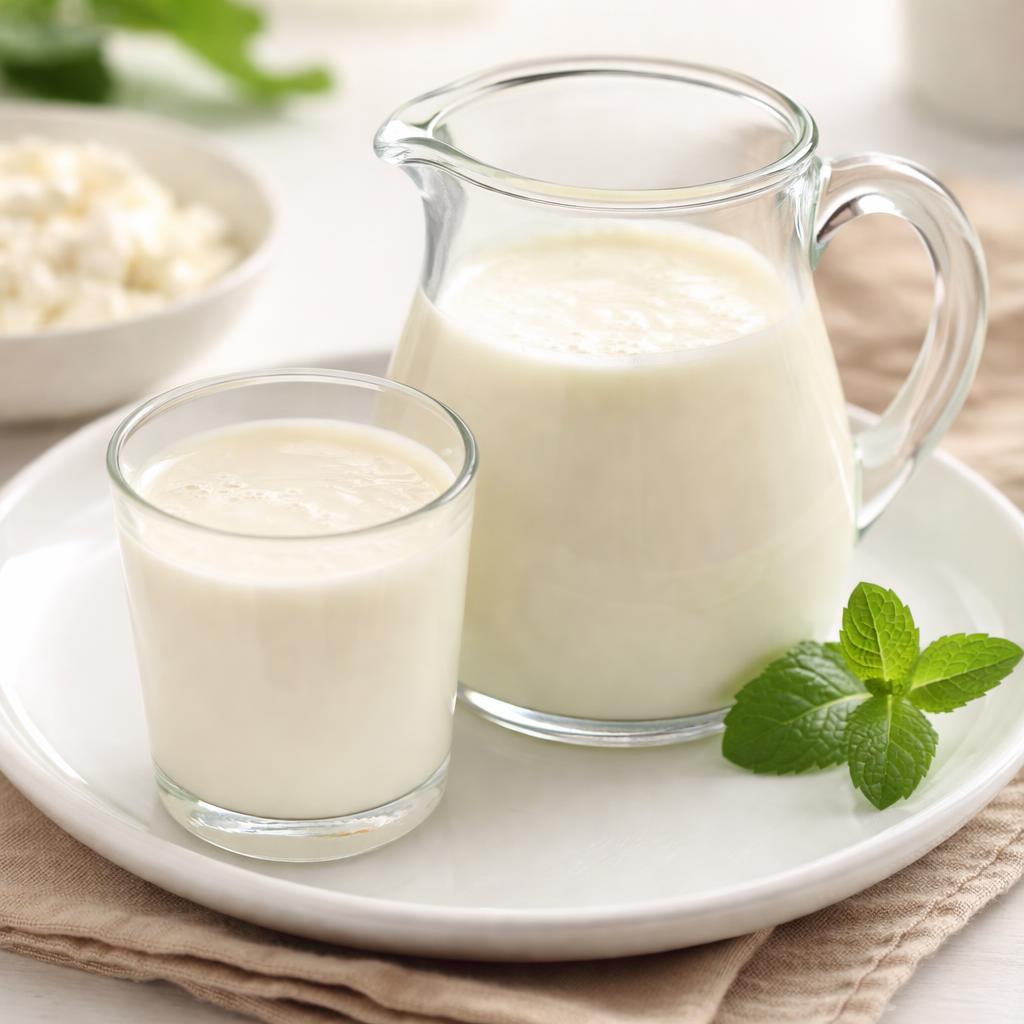
Buttermilk
🎯 Quick Verdict
Bananas and buttermilk are nutrient-dense but serve different dietary purposes. Bananas are higher in fiber, potassium, and carbohydrates, making them great for sustained energy and digestion. Buttermilk is lower in calories, contains more protein, and offers probiotics for gut health. Opt for bananas for quick energy or buttermilk for a low-calorie protein boost.

Smart Nutrition Tracking with SnapCalorie

📊 Nutritional Comparison
Macronutrients
| Nutrient | Food 1 | Food 2 | Winner |
|---|---|---|---|
| Calories | 105 | 98 | − |
| Protein | 1.3g | 8g | − |
| Carbs | 27g | 12g | − |
| Fat | 0.3g | 2.2g | ✓ |
| Fiber | 3.1g | 0g | − |
Vitamins & Minerals
| Nutrient | Food 1 | Food 2 | Winner |
|---|---|---|---|
| Vitamin D | 0mcg | 2.4mcg | − |
| Calcium | 6mg | 284mg | − |
| Potassium | 422mg | 652mg | − |
| Iron | 0.3mg | 0mg | − |
🏆 Category Winners
Protein
Buttermilk provides six times more protein than bananas per serving.
Fiber
Bananas offer 3.1g fiber, while buttermilk contains none.
Calories
Buttermilk contains slightly fewer calories (98 vs 105).
🥗 Diet Compatibility
Keto
Food 1: Not Compatible
Food 2: Compatible
Bananas are high in carbs, while buttermilk fits the low-carb profile.
Vegan
Food 1: Compatible
Food 2: Not Compatible
Bananas are vegan-friendly; buttermilk is an animal product.
Gluten Free
Food 1: Compatible
Food 2: Compatible
Both foods are naturally gluten-free.
Paleo
Food 1: Compatible
Food 2: Not Compatible
Bananas are unprocessed and paleo-friendly; buttermilk is not due to being dairy.
Low Carb
Food 1: Not Compatible
Food 2: Compatible
Bananas are high in carbohydrates (27g per serving); buttermilk is relatively low-carb (12g per serving).
💪 Health Benefits Comparison
Food 1 Benefits
- High potassium for healthy blood pressure and muscle function
- Provides dietary fiber for improved digestion
- Natural sugars for sustained energy
Food 2 Benefits
- Rich in protein for muscle repair and maintenance
- Probiotics for better gut health
- Good source of calcium for bone strength
✅ The Bottom Line
Bananas are ideal for quick energy, digestion support, and potassium intake while buttermilk suits those aiming for protein-rich, low-calorie meals with a probiotic boost. Both have complementary nutritional benefits.
Choose Food 1 for: Snack for energy boost, digestion aid, potassium intake
Choose Food 2 for: Low-calorie diets, muscle recovery, gut health improvement


