Banana VS Brown Sugar
A detailed nutritional comparison
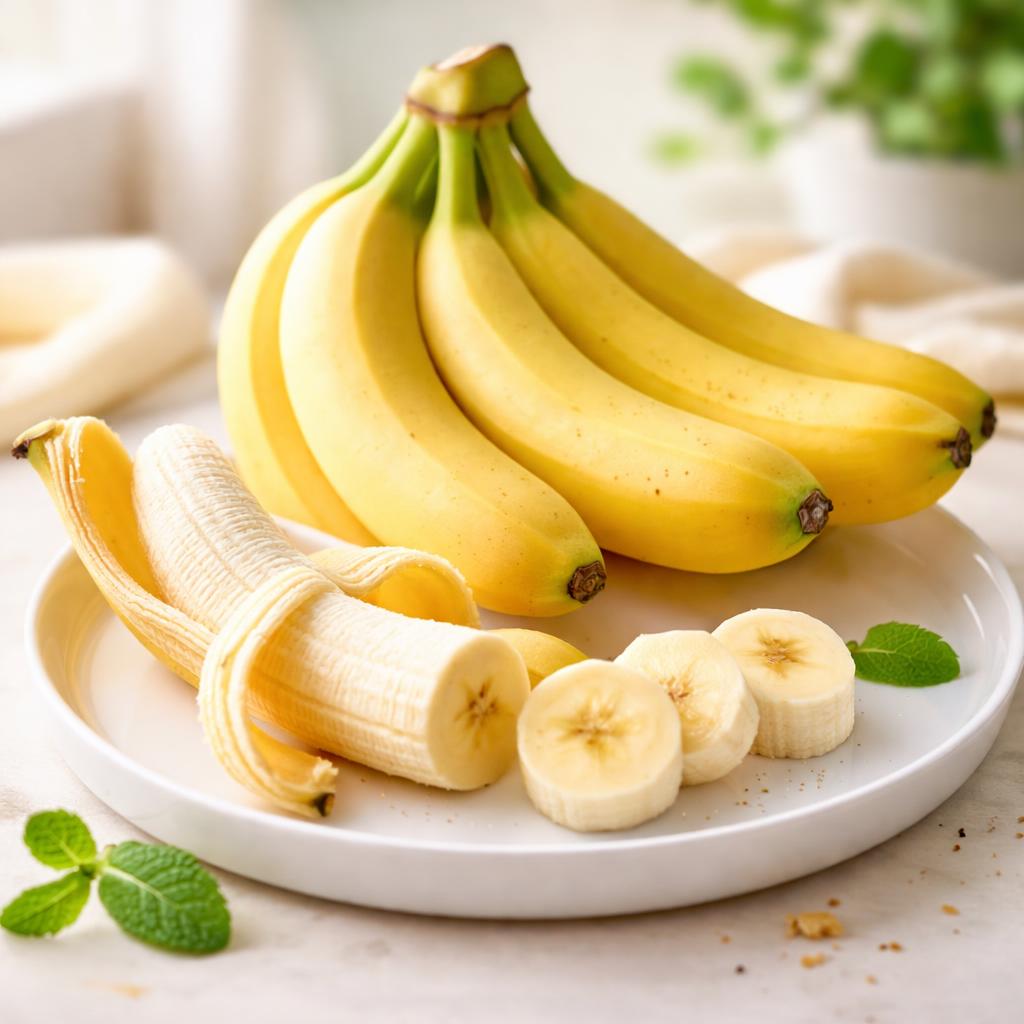
Banana
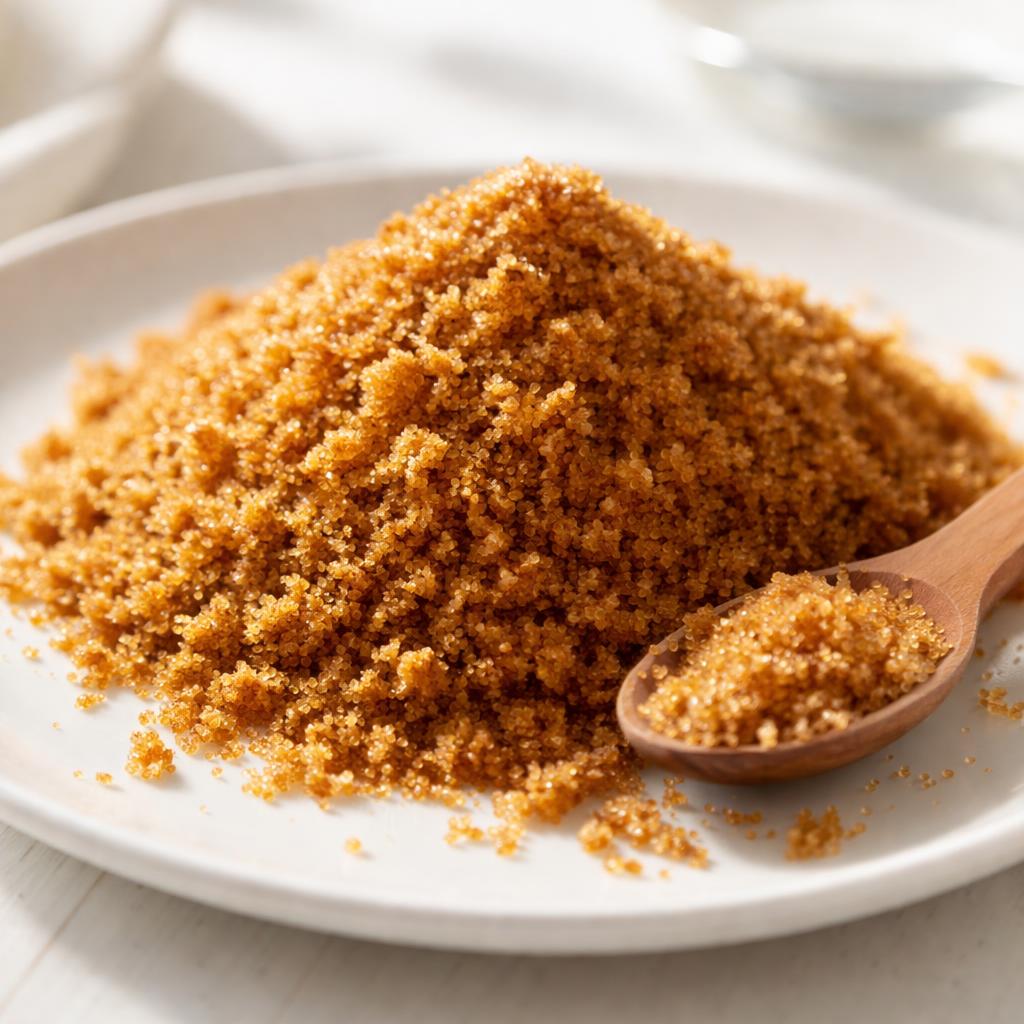
Brown Sugar
🎯 Quick Verdict
Bananas and brown sugar offer vastly different nutritional profiles. Bananas are nutrient-dense, providing fiber, vitamins, and minerals, while brown sugar is primarily a carbohydrate source with few additional nutrients. Use bananas for balanced nutrition and satiety, and brown sugar for quick energy in recipes or beverages.

Smart Nutrition Tracking with SnapCalorie

📊 Nutritional Comparison
Macronutrients
| Nutrient | Food 1 | Food 2 | Winner |
|---|---|---|---|
| Calories | 105 | 11 (per tsp) | ✓ |
| Protein | 1.3g | 0g | − |
| Carbs | 27g | 2.8g (per tsp) | ✓ |
| Fat | 0.3g | 0g | ✓ |
| Fiber | 3.1g | 0g | ✓ |
Vitamins & Minerals
| Nutrient | Food 1 | Food 2 | Winner |
|---|---|---|---|
| Vitamin C | 10.4mg (14% DV) | 0mg | ✓ |
| Potassium | 422mg (9% DV) | 0mg | ✓ |
| Magnesium | 31.9mg (8% DV) | 0mg | ✓ |
🏆 Category Winners
Protein
Both foods are low in protein, with bananas having a minimal advantage.
Fiber
Bananas contain 3.1g of fiber per serving, while brown sugar has none.
Calories
Brown sugar is much lower in calories per teaspoon (11 calories vs. 105 for a banana).
🥗 Diet Compatibility
Keto
Food 1: Not Compatible
Food 2: Compatible
Brown sugar is carb-heavy but used sparingly in keto plans, while bananas contain too many carbs.
Vegan
Food 1: Compatible
Food 2: Compatible
Both are plant-based and vegan-friendly.
Gluten Free
Food 1: Compatible
Food 2: Compatible
Neither food contains gluten.
Paleo
Food 1: Compatible
Food 2: Compatible
Bananas are whole foods, and brown sugar, while processed, is usually considered paleo-compliant.
Low-Carb
Food 1: Not Compatible
Food 2: Compatible
Brown sugar can be used in small amounts, while bananas exceed typical low-carb limits.
💪 Health Benefits Comparison
Food 1 Benefits
- High in potassium for maintaining healthy blood pressure
- Good source of dietary fiber for digestion and gut health
- Provides natural sugars for sustained energy
- Contains antioxidants for cellular health
Food 2 Benefits
- Quick energy boost due to fast-digesting carbs
- Adds sweetness to recipes with fewer calories per serving
- Contains trace minerals such as calcium in small amounts
✅ The Bottom Line
Choose bananas for everyday nutrition, especially for snacking, digestion support, and balanced energy. Opt for brown sugar if you need a quick source of simple carbohydrates, but use sparingly due to its low nutrient value.
Choose Food 1 for: Sports recovery, snacking, heart health due to potassium
Choose Food 2 for: Sweetening recipes, low-carb diets, quick energy boosts


