Banana VS Bread Roll
A detailed nutritional comparison
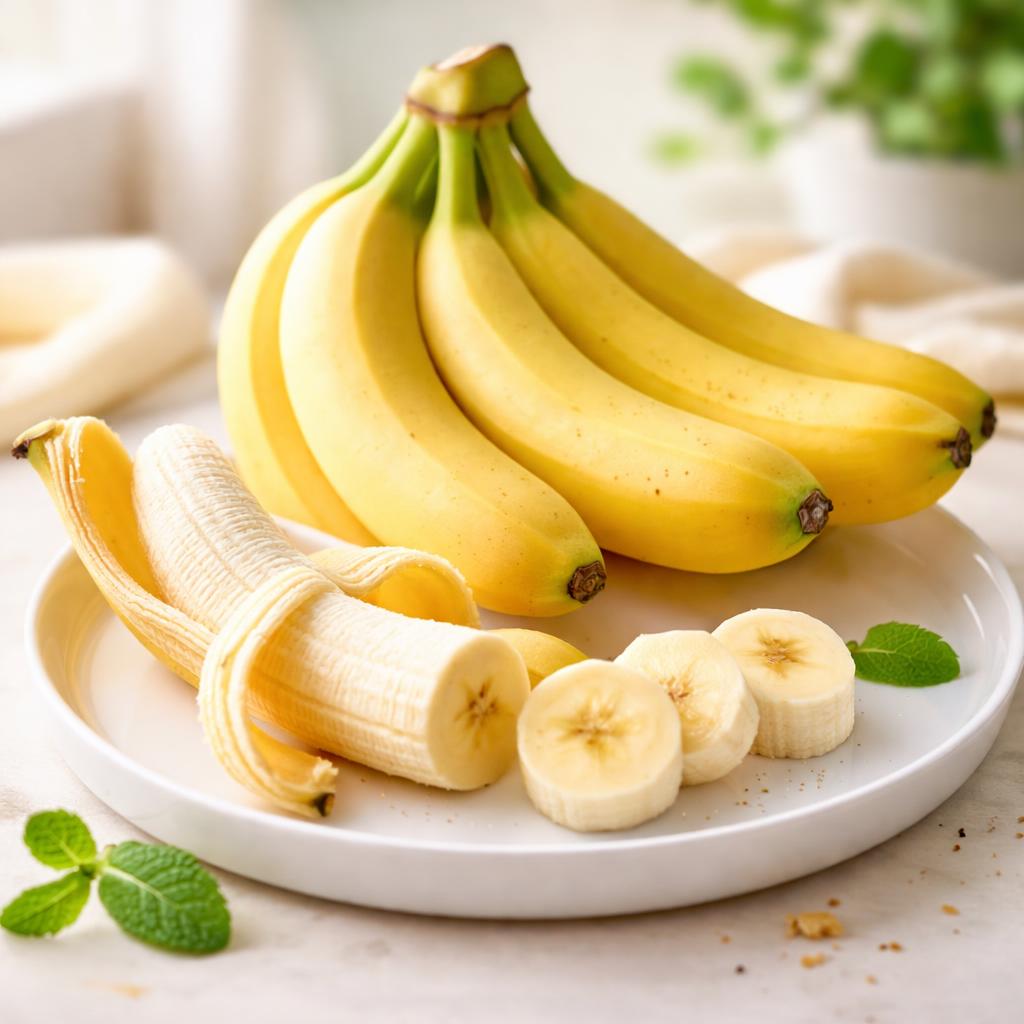
Banana
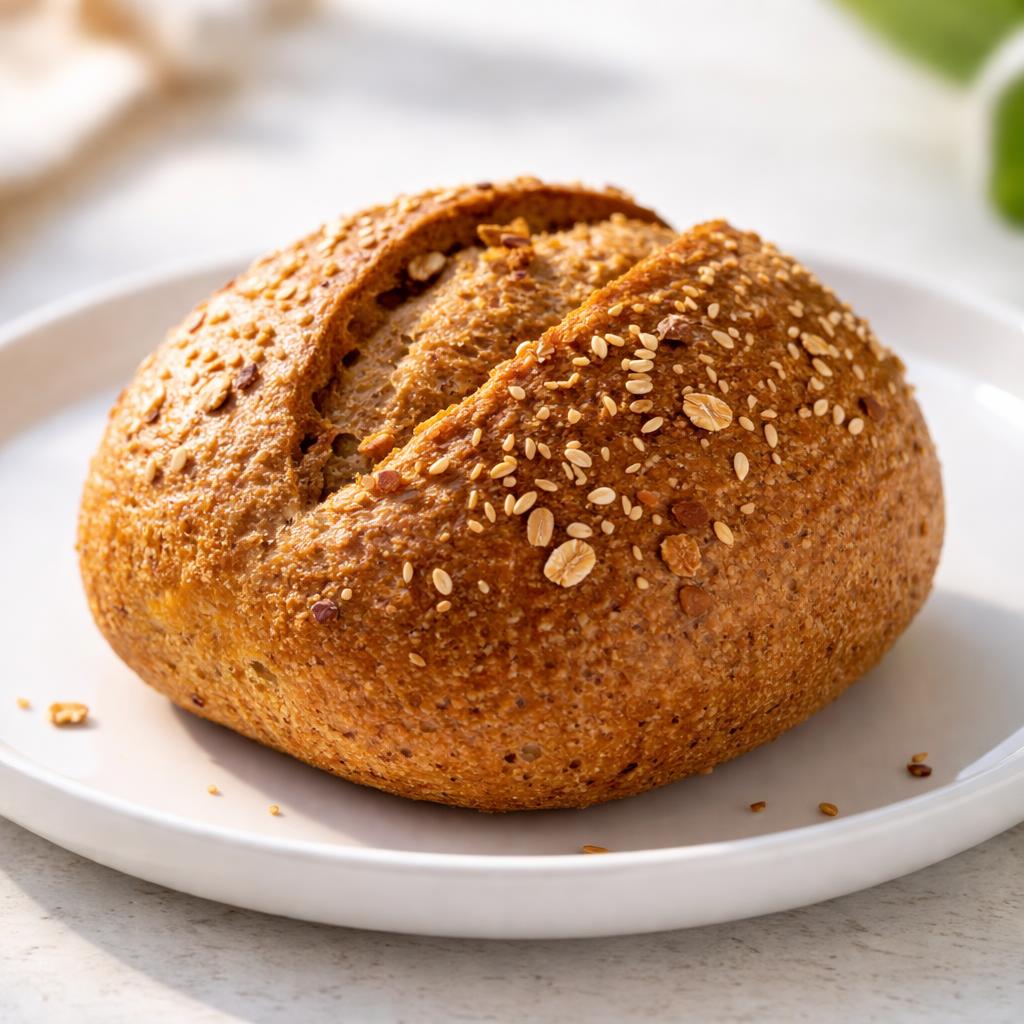
Bread Roll
🎯 Quick Verdict
Bananas and bread rolls differ in their nutritional makeup: bananas are lower in calories, higher in fiber, and rich in potassium, while bread rolls provide more protein and carbohydrates. Bananas are ideal for quick energy or as a snack, whereas bread rolls are better for meals or sandwiches, offering sustained energy from carbohydrates.

Smart Nutrition Tracking with SnapCalorie

📊 Nutritional Comparison
Macronutrients
| Nutrient | Food 1 | Food 2 | Winner |
|---|---|---|---|
| Calories | 105 | 130 | ✓ |
| Protein | 1.3g | 4g | ✓ |
| Carbs | 27g | 25g | − |
| Fat | 0.3g | 2g | ✓ |
| Fiber | 3.1g | 1.2g | ✓ |
Vitamins & Minerals
| Nutrient | Food 1 | Food 2 | Winner |
|---|---|---|---|
| Potassium | 422mg | 78mg | ✓ |
| Vitamin C | 10mg | 0.2mg | ✓ |
| Calcium | 5mg | 60mg | ✓ |
| Iron | 0.3mg | 1.5mg | ✓ |
🏆 Category Winners
Protein
Bread rolls contain over 3x more protein than bananas.
Fiber
Bananas provide 2x more fiber, aiding digestion.
Calories
Bananas are roughly 20% lower in calories compared to bread rolls.
Vitamins
Bananas excel in potassium and vitamin C content.
🥗 Diet Compatibility
Keto
Food 1: Not Compatible
Food 2: Not Compatible
Both are high in carbs.
Vegan
Food 1: Compatible
Food 2: Compatible
Neither contains animal products.
Gluten Free
Food 1: Compatible
Food 2: Not Compatible
Bananas are naturally gluten-free, while bread rolls typically contain wheat.
Paleo
Food 1: Compatible
Food 2: Not Compatible
Bananas fit the paleo diet, but bread rolls are processed and contain grains.
Low-Carb
Food 1: Not Compatible
Food 2: Not Compatible
Both foods have over 20g of carbs per serving.
💪 Health Benefits Comparison
Food 1 Benefits
- Rich in potassium for heart health and muscle function
- Contains vitamin C to boost immunity
- Provides natural energy through simple carbohydrates
- High in fiber to support digestion
Food 2 Benefits
- Good source of protein for tissue repair and maintenance
- Provides iron to aid red blood cell production
- Energy-dense for sustained activity
- Contains calcium for bone health
✅ The Bottom Line
Choose bananas if you are seeking a nutrient-rich snack with lower calories and higher fiber, benefiting digestion and providing quick energy. Opt for bread rolls when you need more protein and sustained energy, such as during meals or as part of a sandwich. Each food serves well for different dietary needs and use cases.
Choose Food 1 for: Quick snacks, post-workout energy, digestive health
Choose Food 2 for: Meal bases, protein enrichment, sustained energy


