Banana VS Bran
A detailed nutritional comparison
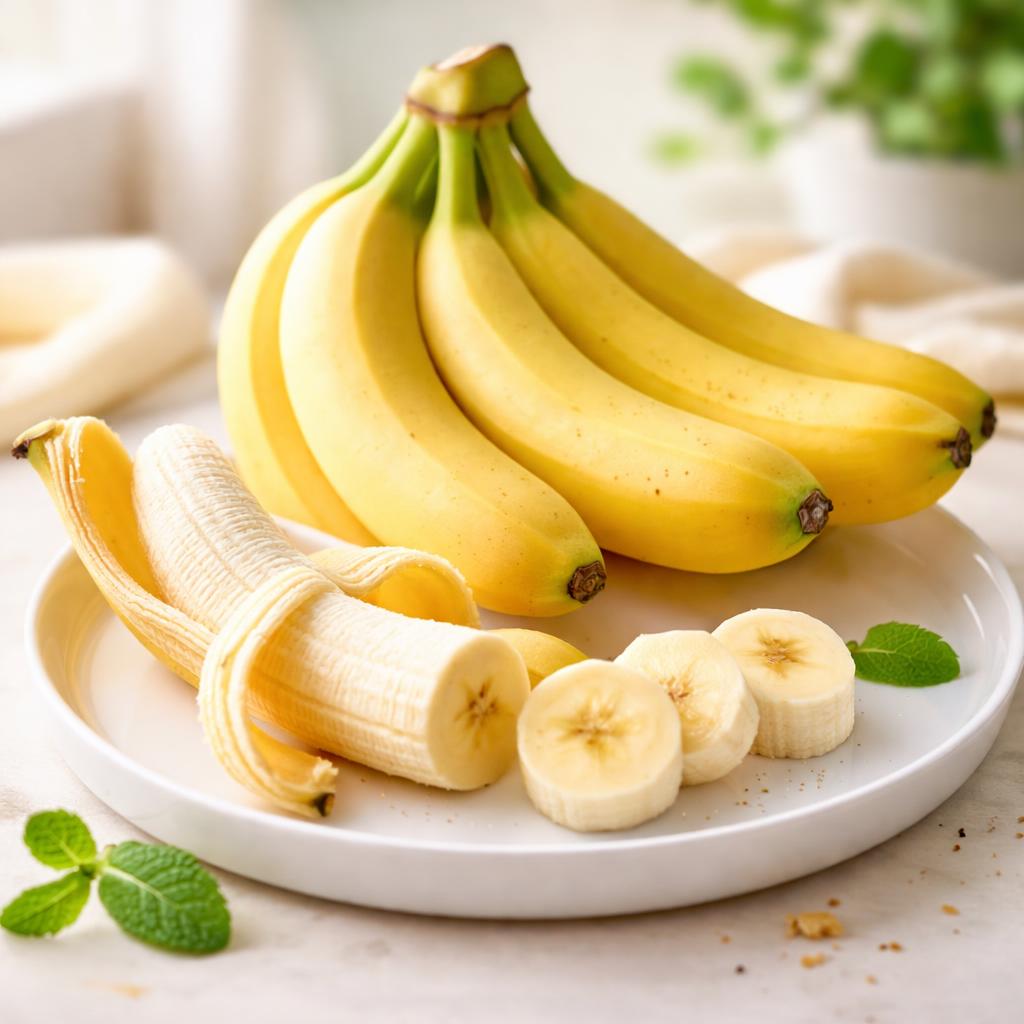
Banana
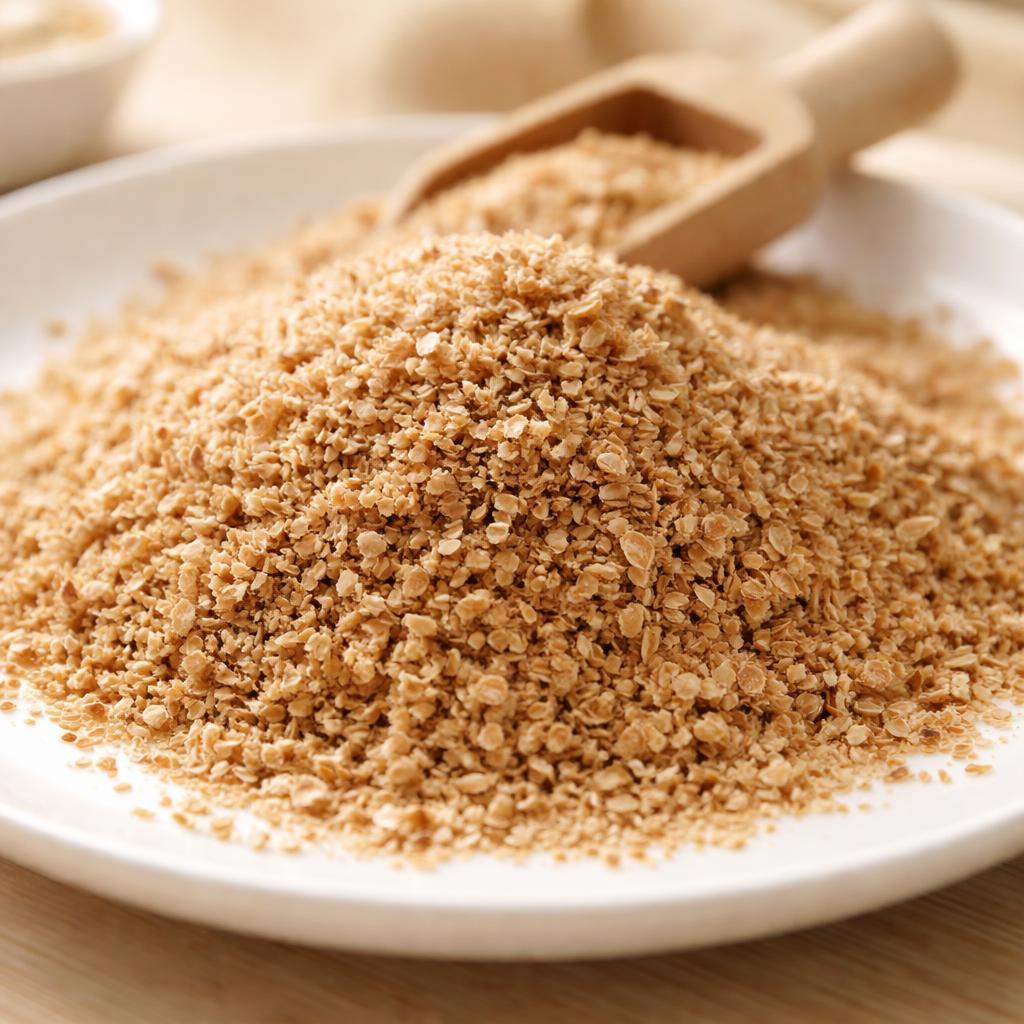
Bran
🎯 Quick Verdict
Bananas and bran serve very different nutritional purposes. Bananas are lower calorie, high in potassium, and great for quick energy. Bran, on the other hand, is significantly higher in fiber and protein, making it ideal for sustained digestive health and managing fullness. Both are nutrient-dense, but their uses differ based on dietary needs.

Smart Nutrition Tracking with SnapCalorie

📊 Nutritional Comparison
Macronutrients
| Nutrient | Food 1 | Food 2 | Winner |
|---|---|---|---|
| Calories | 105 | 193 | ✓ |
| Protein | 1.3g | 7.5g | ✓ |
| Carbs | 27g | 45g | ✓ |
| Fat | 0.3g | 3g | ✓ |
| Fiber | 3.1g | 18g | ✓ |
Vitamins & Minerals
| Nutrient | Food 1 | Food 2 | Winner |
|---|---|---|---|
| Vitamin D | 0mcg | 0mcg | − |
| Calcium | 6mg | 49mg | ✓ |
| Iron | 0.3mg | 5.4mg | ✓ |
| Potassium | 422mg | 800mg | ✓ |
🏆 Category Winners
Protein
Bran has nearly 6x more protein per serving than a banana.
Fiber
Bran offers over 5x more fiber than a banana, ideal for digestive health.
Calories
Bananas are lower in calories, better for weight management compared to bran.
Vitamins
Bran excels in calcium, iron, and potassium compared to a banana.
🥗 Diet Compatibility
Keto
Food 1: Not Compatible
Food 2: Not Compatible
Both foods are high in carbs and unsuitable for keto diets.
Vegan
Food 1: Compatible
Food 2: Compatible
Both foods are plant-based and vegan-friendly.
Gluten Free
Food 1: Compatible
Food 2: Not Compatible
Bananas are naturally gluten-free, whereas bran typically contains gluten unless specified gluten-free.
Paleo
Food 1: Compatible
Food 2: Not Compatible
Bananas align with paleo diets as whole foods, but bran does not due to processing.
Low-Carb
Food 1: Not Compatible
Food 2: Not Compatible
Both foods are relatively high in carbohydrates.
💪 Health Benefits Comparison
Food 1 Benefits
- High in potassium for heart and muscle health
- Easily digestible carbs for quick energy
- Good source of vitamin C for immune support
Food 2 Benefits
- Extremely high in fiber for improved digestion
- Rich in iron, helping combat iron deficiency
- Provides protein for satiety and maintaining muscle mass
- Contains potassium to support cardiovascular health
✅ The Bottom Line
Bananas are excellent for quick energy, on-the-go snacking, and are lower calorie. Bran is high in fiber and protein, great for digestive health and staying full longer. Choose bananas for pre-workout or light snacks and bran for meal prep or incorporating fiber into your diet.
Choose Food 1 for: Pre-workout fuel, light snacks, potassium boost
Choose Food 2 for: High-fiber diets, maintaining fullness, rebuilding nutrients


