Banana VS Bhaji
A detailed nutritional comparison
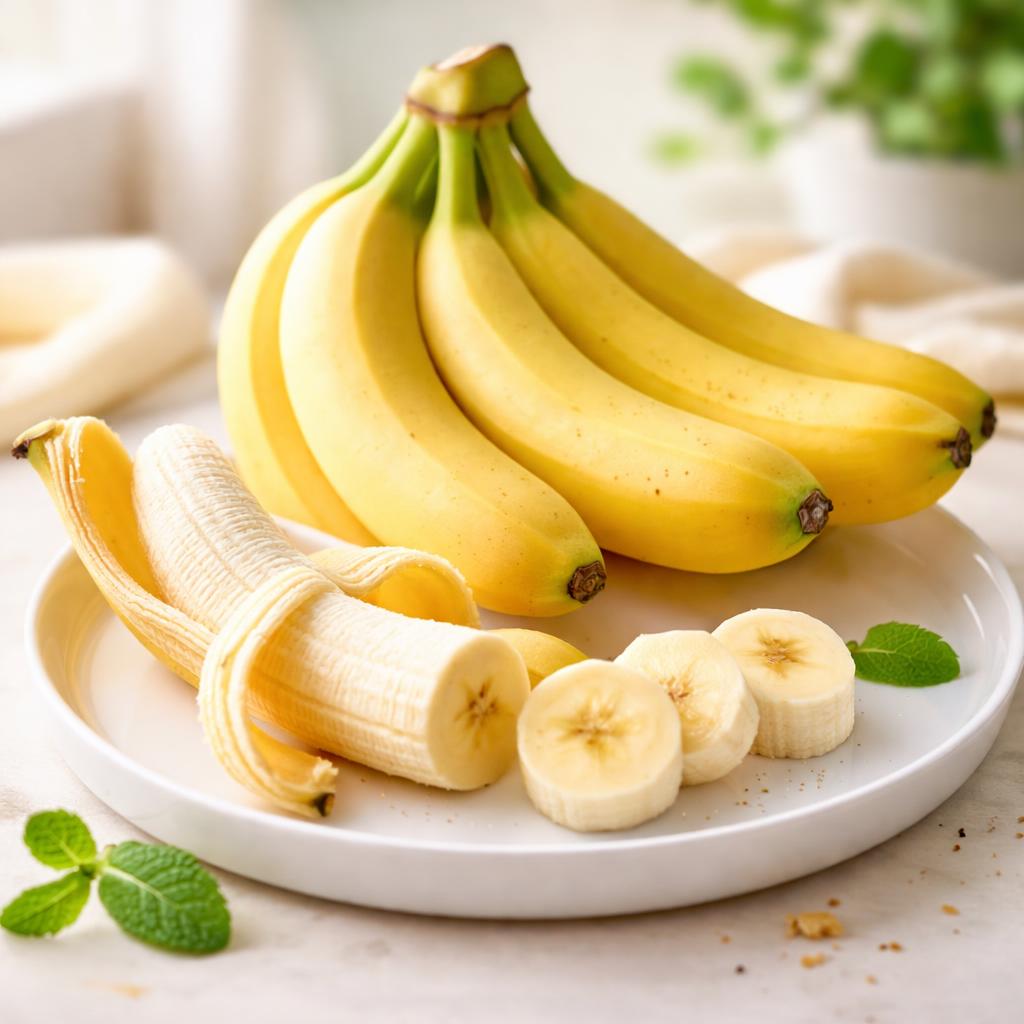
Banana
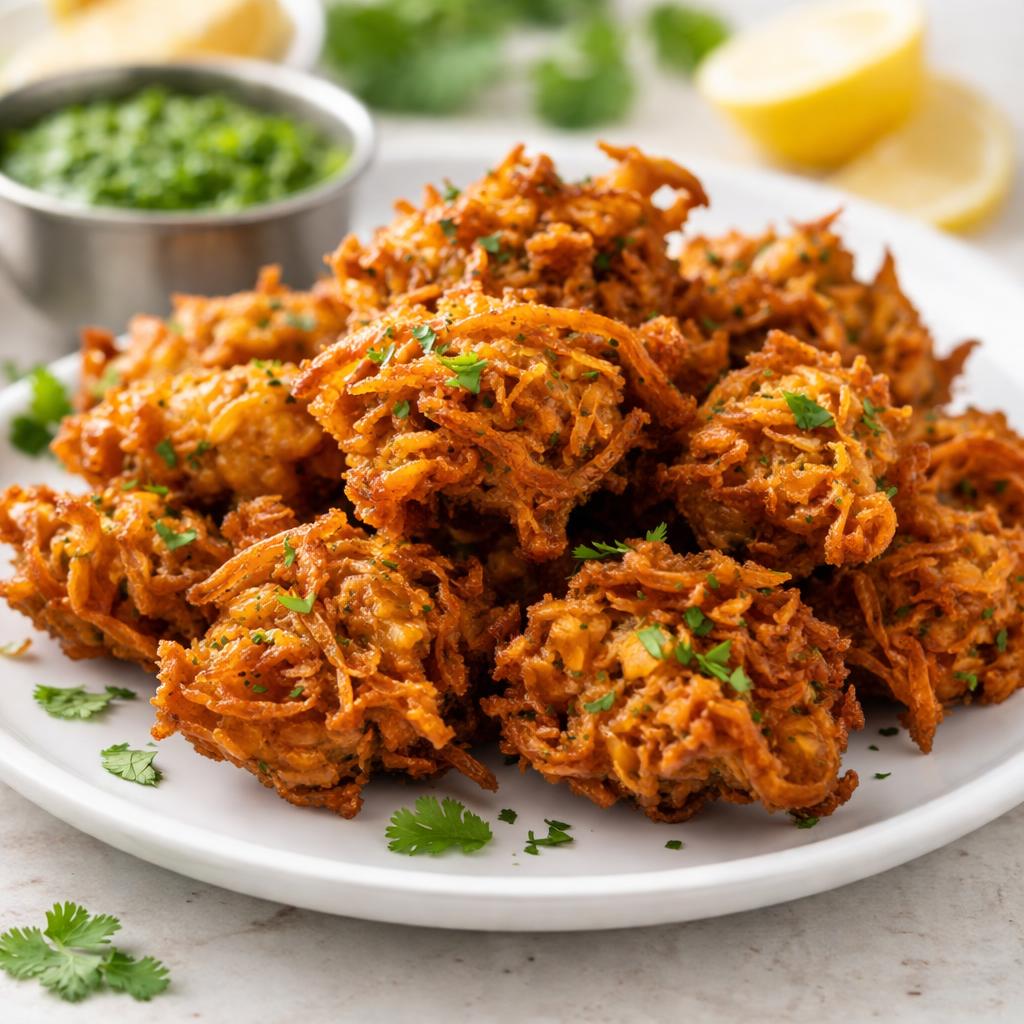
Bhaji
🎯 Quick Verdict
Bananas are a naturally sweet fruit rich in carbs and fiber, ideal for quick energy and digestion support. Bhaji, a savory vegetable dish typically made with spices and vegetables, is higher in protein and ideal for nutrient-dense meals. Both foods have distinct benefits depending on dietary needs or preferences.

Smart Nutrition Tracking with SnapCalorie

📊 Nutritional Comparison
Macronutrients
| Nutrient | Food 1 | Food 2 | Winner |
|---|---|---|---|
| Calories | 105 | 150 | − |
| Protein | 1.3g | 3g | − |
| Carbs | 27g | 20g | − |
| Fat | 0.3g | 10g | − |
| Fiber | 3.1g | 2g | − |
Vitamins & Minerals
| Nutrient | Food 1 | Food 2 | Winner |
|---|---|---|---|
| Vitamin C | 10mg | 5mg | − |
| Vitamin A | 1mcg | 100mcg | − |
| Potassium | 422mg | 300mg | − |
| Iron | 0.3mg | 1.5mg | − |
🏆 Category Winners
Protein
Bhaji contains 2.3g more protein per serving.
Fiber
Banana has 50% more fiber than bhaji.
Calories
Banana has 30% fewer calories than bhaji.
Vitamins
Banana excels in Vitamin C and potassium, while bhaji is higher in Vitamin A and iron.
🥗 Diet Compatibility
Keto
Food 1: Not Compatible
Food 2: Not Compatible
Both foods are relatively high in carbs.
Vegan
Food 1: Compatible
Food 2: Compatible
Both are plant-based and ideal for vegans.
Gluten Free
Food 1: Compatible
Food 2: Depends on recipe
Bananas are naturally gluten-free, while bhaji may contain gluten depending on the recipe.
Paleo
Food 1: Compatible
Food 2: Depends on recipe
Bananas align with paleo guidelines, but bhaji may not if it contains refined oils or grains.
Low Carb
Food 1: Not Compatible
Food 2: Not Compatible
Both are relatively high in carbohydrates.
💪 Health Benefits Comparison
Food 1 Benefits
- Provides quick energy due to natural sugars
- High in potassium to support heart and muscle function
- Contains dietary fiber for digestive health
Food 2 Benefits
- Rich in vitamins and minerals, including Vitamin A and iron
- Includes healthy fats from oils for sustained energy
- Provides antioxidants for combating inflammation
✅ The Bottom Line
Bananas are best for quick energy boosts, supporting digestion, and satisfying sweet cravings. Bhaji is better suited for savory meals and provides more protein, healthy fats, and minerals. Choose based on whether you're looking for a snack or a more nutrient-dense meal.
Choose Food 1 for: Energy boosts, digestion, sweet cravings
Choose Food 2 for: Savory meals, nutrient density, richer flavor


