Banana Bread VS Whole Wheat Bread
A detailed nutritional comparison
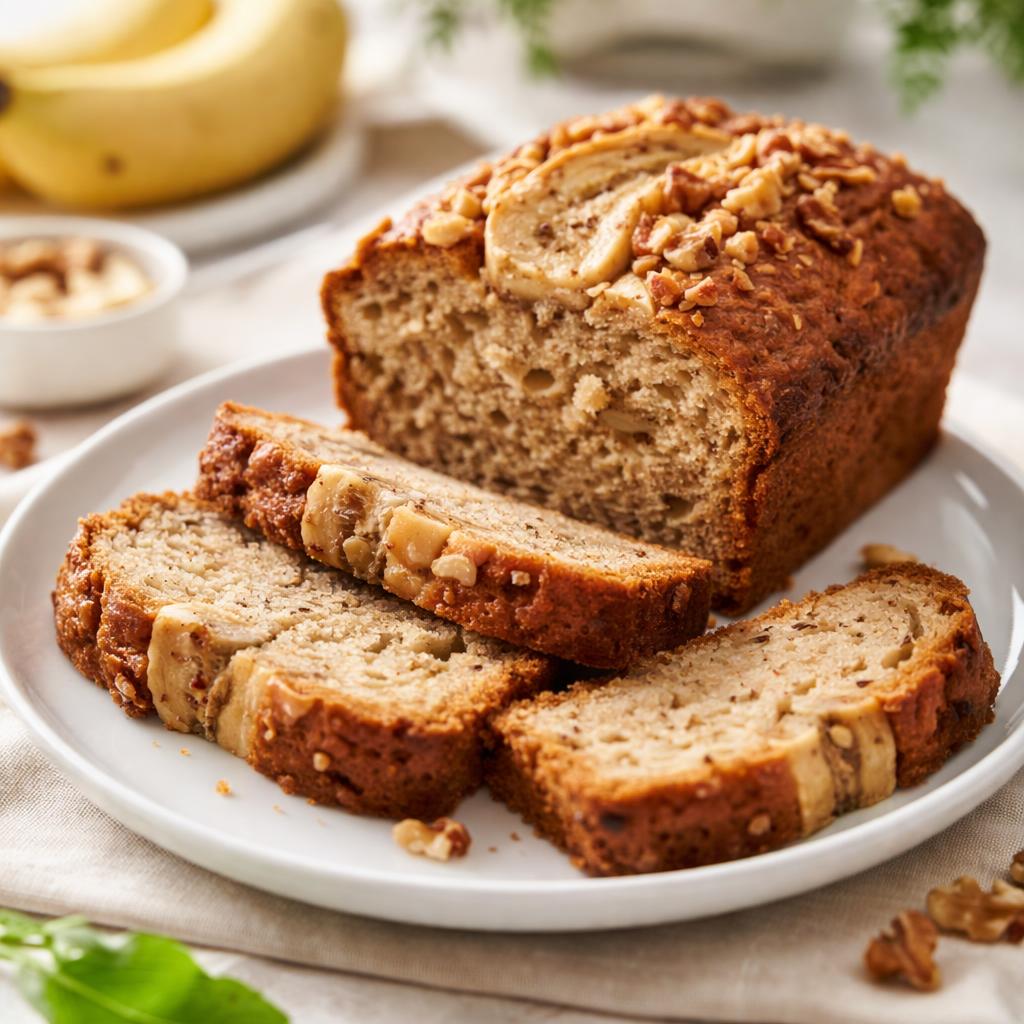
Banana Bread
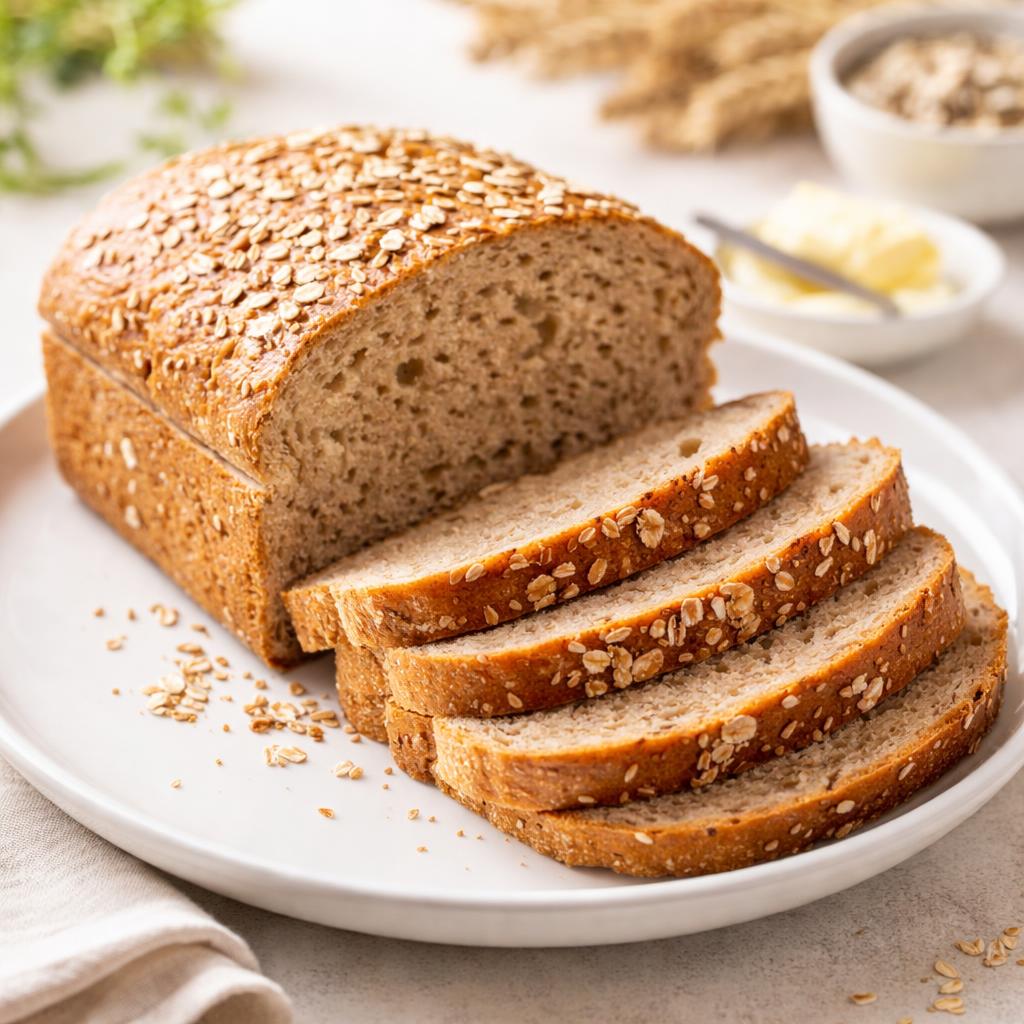
Whole Wheat Bread
🎯 Quick Verdict
Whole wheat bread is nutritionally superior to banana bread, offering fewer calories, more fiber, and higher protein. While banana bread is a sweeter treat, it is higher in sugar and calories, making it less suitable for weight management and low-sugar diets. Choose banana bread for occasional indulgence, and opt for whole wheat bread for everyday dietary balance and versatility.

Smart Nutrition Tracking with SnapCalorie

📊 Nutritional Comparison
Macronutrients
| Nutrient | Food 1 | Food 2 | Winner |
|---|---|---|---|
| Calories | 196 | 80 | ✓ |
| Protein | 3g | 5g | ✓ |
| Carbs | 33g | 14g | ✓ |
| Fat | 6g | 1g | ✓ |
| Fiber | 1g | 3g | ✓ |
Vitamins & Minerals
| Nutrient | Food 1 | Food 2 | Winner |
|---|---|---|---|
| Vitamin D | 0mcg | 0mcg | − |
| Calcium | 10mg | 25mg | ✓ |
| Iron | 0.7mg | 1mg | ✓ |
🏆 Category Winners
Protein
Whole wheat bread contains 67% more protein per serving.
Fiber
Whole wheat bread has triple the fiber content of banana bread.
Calories
Whole wheat bread provides less than half the calories of banana bread.
Vitamins
Whole wheat bread offers slightly more calcium and iron.
🥗 Diet Compatibility
Keto
Food 1: Not Compatible
Food 2: Not Compatible
Both are high in carbohydrates.
Vegan
Food 1: Depends
Food 2: Compatible
Banana bread may contain dairy or eggs, while whole wheat bread is typically vegan.
Gluten Free
Food 1: Not Compatible
Food 2: Not Compatible
Both foods contain gluten due to their wheat flour content.
Paleo
Food 1: Not Compatible
Food 2: Not Compatible
Neither aligns with paleo principles due to processed grains and sugars.
Low Carb
Food 1: Not Compatible
Food 2: Not Compatible
Both are too high in carbs for strict low-carb diets.
💪 Health Benefits Comparison
Food 1 Benefits
- Provides quick energy due to its sugar content
- Contains potassium from bananas for heart health
- Can be a satisfying dessert or treat when made with whole ingredients
Food 2 Benefits
- Rich in fiber for digestive health and satiety
- Good source of plant-based protein for muscle maintenance
- Supports heart health with lower fat and sugar content
✅ The Bottom Line
Whole wheat bread is the healthier choice for managing calories and boosting fiber and protein intake. Banana bread, while tasty, is better reserved for occasional indulgence due to its higher sugar and calorie content.
Choose Food 1 for: Desserts, treats, quick energy boosts
Choose Food 2 for: Everyday meals, weight management, improving digestion


