Banana Bread VS Protein Bread
A detailed nutritional comparison
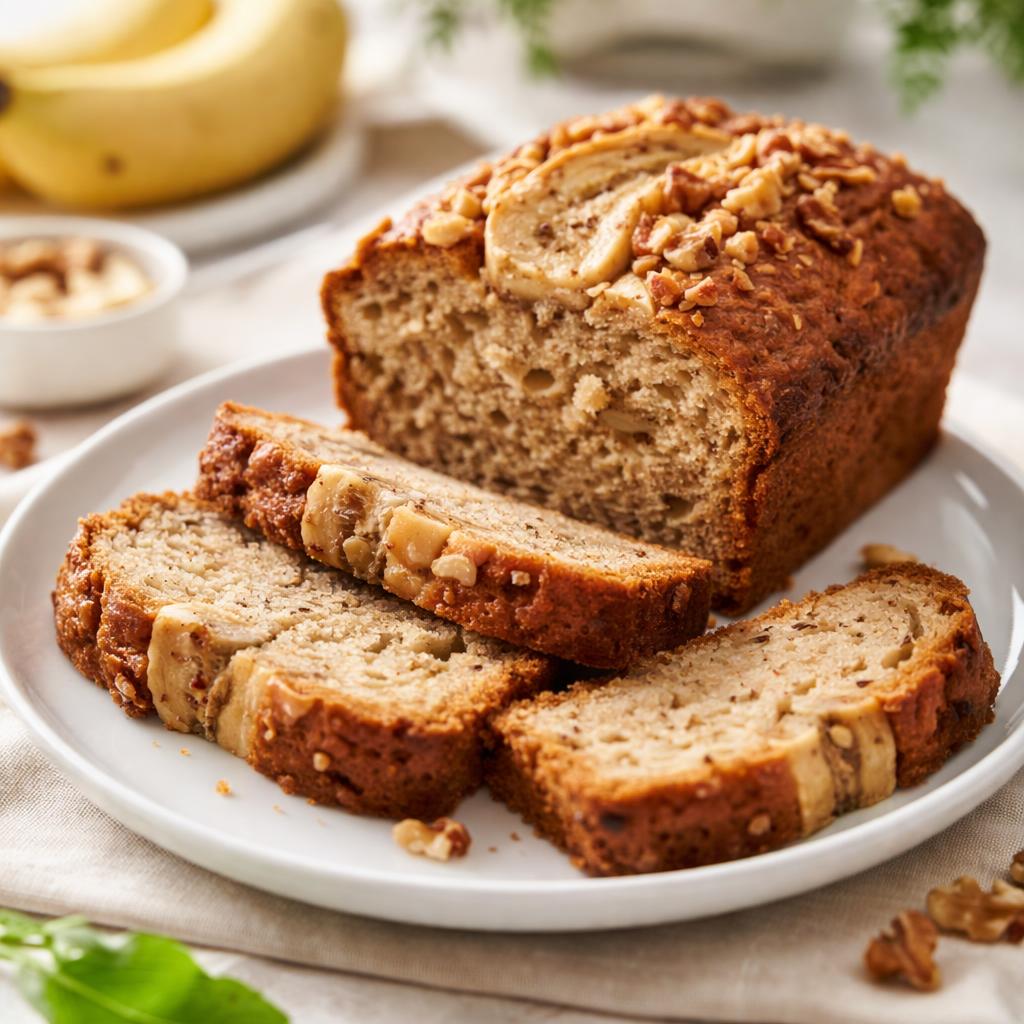
Banana Bread
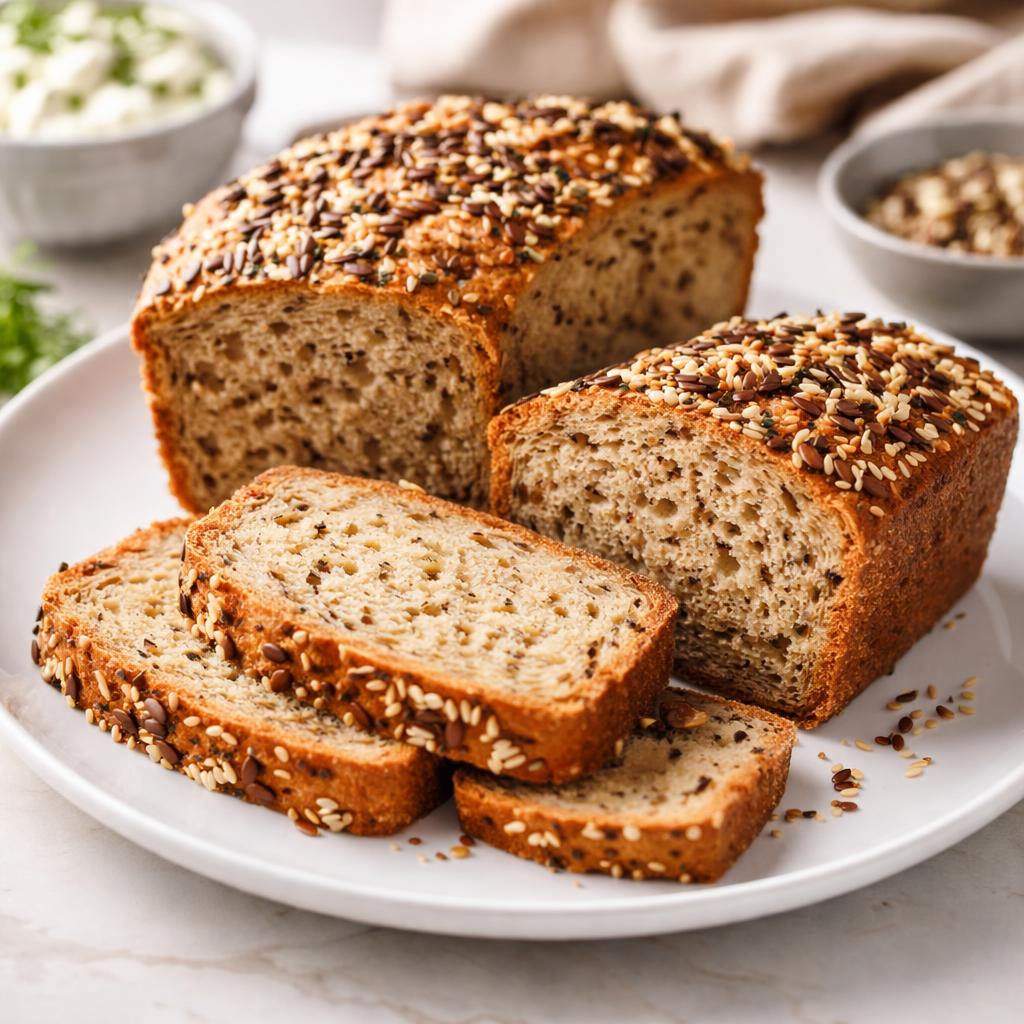
Protein Bread
🎯 Quick Verdict
Banana bread is higher in carbohydrates and sugar due to its ingredients like flour and ripe bananas, making it ideal for quick energy replenishment. Protein bread contains significantly more protein and fiber while being lower in calories, making it a better choice for muscle building and satiety. Choose based on your dietary goals: energy for food1 or satiety for food2.

Smart Nutrition Tracking with SnapCalorie

📊 Nutritional Comparison
Macronutrients
| Nutrient | Food 1 | Food 2 | Winner |
|---|---|---|---|
| Calories | 270 | 150 | ✓ |
| Protein | 5g | 15g | ✓ |
| Carbs | 45g | 10g | ✓ |
| Fat | 9g | 4g | ✓ |
| Fiber | 2g | 5g | ✓ |
Vitamins & Minerals
| Nutrient | Food 1 | Food 2 | Winner |
|---|---|---|---|
| Vitamin C | 2mg | 0mg | ✓ |
| Vitamin D | 0mcg | 2mcg | ✓ |
| Iron | 1mg | 3mg | ✓ |
🏆 Category Winners
Protein
Food2 contains three times more protein per serving.
Fiber
Protein bread provides more than double the fiber of banana bread, enhancing digestive health.
Calories
Food2 is nearly half the calories per serving compared to banana bread.
Vitamins
Banana bread contains vitamin C, while protein bread provides vitamin D and more iron.
🥗 Diet Compatibility
Keto
Food 1: Not Compatible
Food 2: Compatible
Food2 is low-carb and fits a ketogenic diet.
Vegan
Food 1: Depends on recipe
Food 2: Depends on recipe
Both can be made vegan depending on ingredients used.
Gluten Free
Food 1: Not Compatible
Food 2: Depends on recipe
Food2 can be gluten-free if using alternative flours like almond flour.
Paleo
Food 1: Not Compatible
Food 2: Depends on recipe
Protein bread can fit paleo diets when made with paleo-approved ingredients.
Low Carb
Food 1: Not Compatible
Food 2: Compatible
Food2 is low in carbohydrates compared to food1.
💪 Health Benefits Comparison
Food 1 Benefits
- Rich in carbohydrates for quick energy
- Provides small amounts of vitamin C for immune support
- Good for pre-workout energy or post-workout glycogen replenishment
Food 2 Benefits
- High in protein to support muscle repair and growth
- Rich in fiber for improved digestion and long-lasting satiety
- Contains iron to support oxygen transport in the body
✅ The Bottom Line
If you're looking for quick energy or a sweeter snack, banana bread is a good option, especially for active individuals needing carbs. Protein bread is a better choice if your goal is muscle building, digestion support, and weight management due to its higher protein, fiber, and lower calorie profile.
Choose Food 1 for: Quick energy, pre-workout consumption, occasional treats
Choose Food 2 for: Post-workout recovery, weight management, muscle building


