Avocado VS Whole Eggs
A detailed nutritional comparison
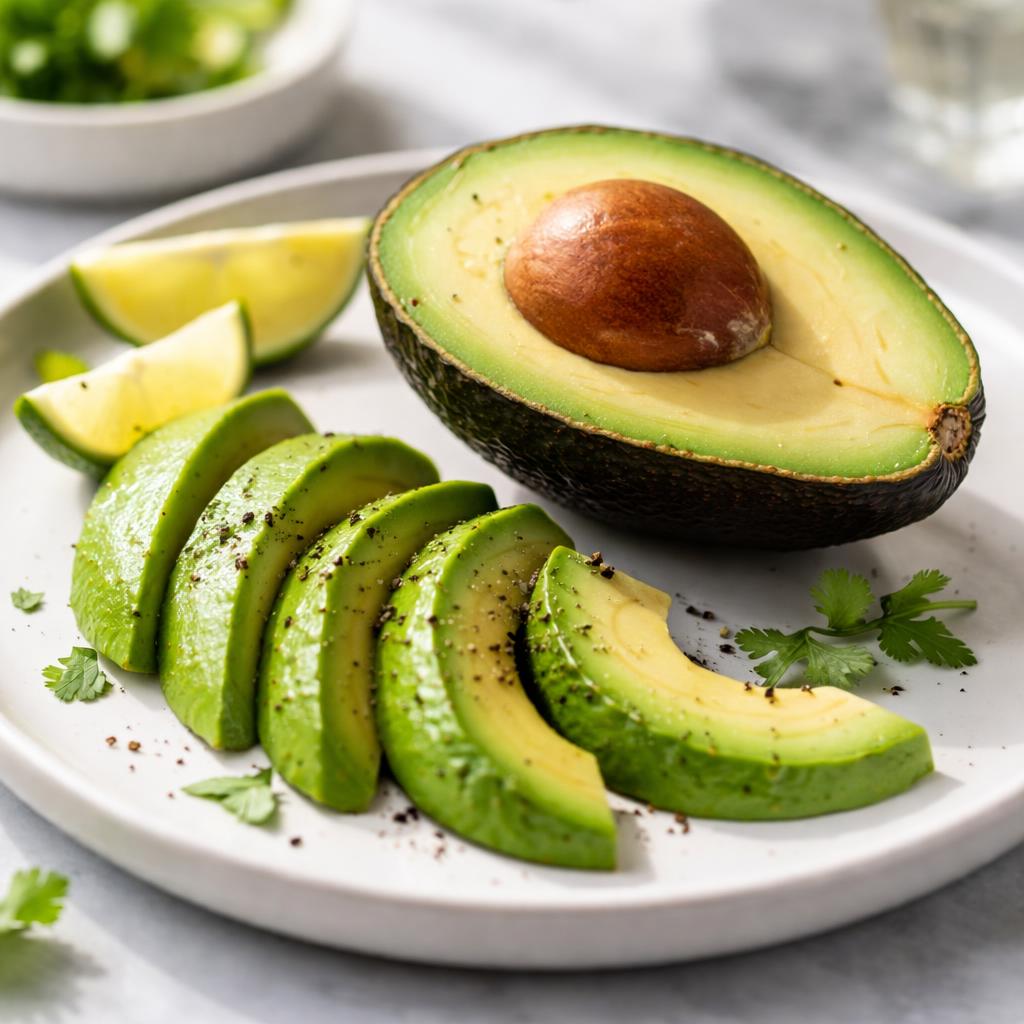
Avocado
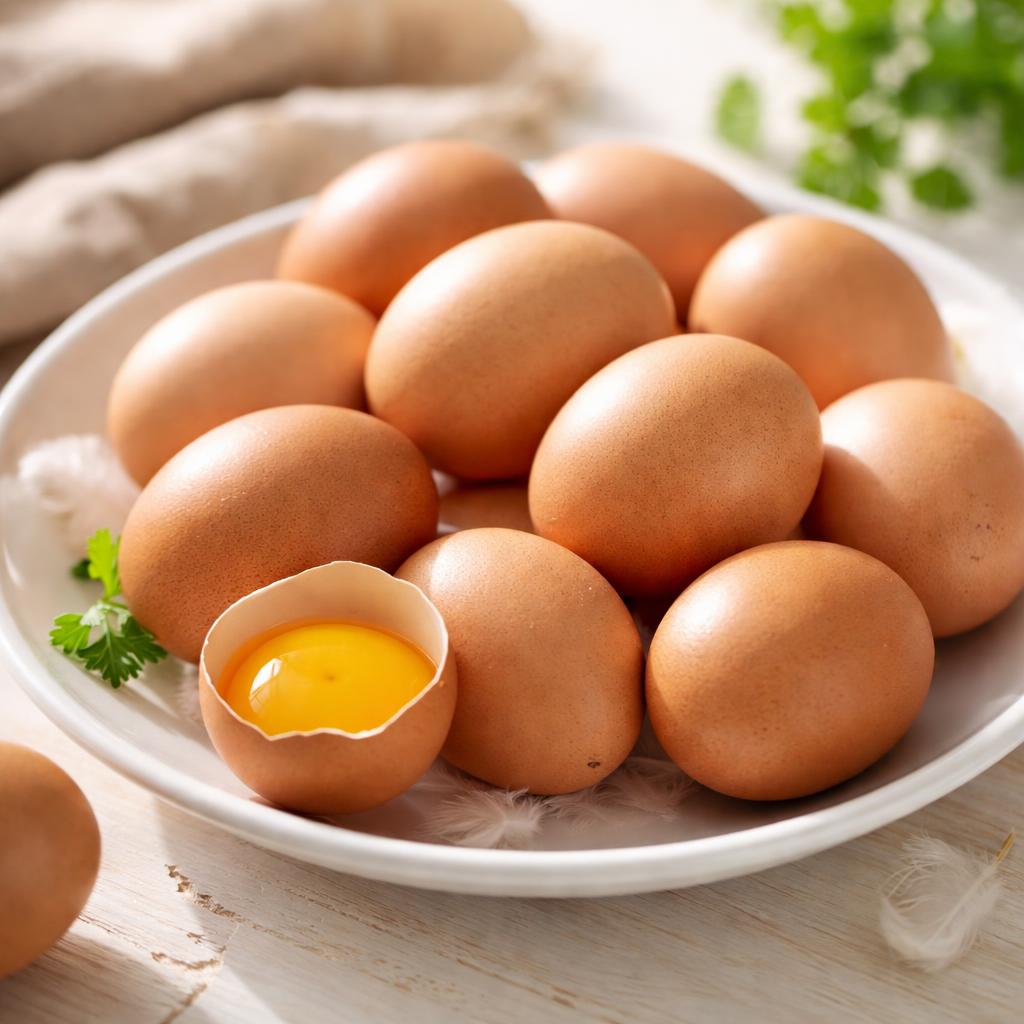
Whole Eggs
🎯 Quick Verdict
Avocados and whole eggs are nutrient-rich foods but serve different dietary purposes. Avocados excel in healthy fats, fiber, and vitamins like C, while eggs provide higher protein and essential vitamins like B12 and D. Choose avocados for heart health and sustained energy, while eggs are ideal for muscle building and balanced nutrition in smaller servings.

Smart Nutrition Tracking with SnapCalorie

📊 Nutritional Comparison
Macronutrients
| Nutrient | Food 1 | Food 2 | Winner |
|---|---|---|---|
| Calories | 230 (1 medium avocado) | 70 (1 large egg) | ✓ |
| Protein | 3g | 6g | ✓ |
| Carbs | 12g | 1g | ✓ |
| Fat | 21g | 5g | ✓ |
| Fiber | 10g | 0g | ✓ |
Vitamins & Minerals
| Nutrient | Food 1 | Food 2 | Winner |
|---|---|---|---|
| Vitamin D | 0mcg | 2mcg (10% DV) | ✓ |
| Vitamin C | 10mg (11% DV) | 0mg | ✓ |
| Vitamin B12 | 0mcg | 0.6mcg (25% DV) | ✓ |
| Folate (B9) | 80mcg (20% DV) | 23mcg (6% DV) | ✓ |
| Iron | 0.6mg | 0.9mg | ✓ |
🏆 Category Winners
Protein
Whole eggs have double the protein compared to avocados.
Fiber
Avocados contain 10g of fiber, while eggs have none.
Calories
Eggs have significantly fewer calories per serving compared to avocados.
Vitamins
Food1 excels in Vitamin C and folate, while food2 provides Vitamin D and B12.
🥗 Diet Compatibility
Keto
Food 1: Compatible
Food 2: Compatible
Both are low-carb, high-fat options suitable for keto diets.
Vegan
Food 1: Compatible
Food 2: Not Compatible
Avocados are plant-based, while eggs are animal products.
Gluten Free
Food 1: Compatible
Food 2: Compatible
Neither food contains gluten.
Paleo
Food 1: Compatible
Food 2: Compatible
Both align with paleo dietary preferences for whole, unprocessed foods.
Low-Carb
Food 1: Compatible
Food 2: Compatible
Eggs have minimal carbs; avocado carbs are mostly fiber.
💪 Health Benefits Comparison
Food 1 Benefits
- Rich in heart-healthy monounsaturated fats
- Contains 10 grams of fiber for digestive health
- Excellent source of folate for cell function
- Rich in antioxidants like lutein for eye health
Food 2 Benefits
- High-quality protein for muscle maintenance
- Rich in Vitamin D for bone health
- Good source of choline for brain function
- Contains essential amino acids for overall health
✅ The Bottom Line
Avocados and eggs both have unique strengths. Choose avocados for fiber, healthy fats, and vitamins like C and folate, especially for heart health and vegan diets. Opt for eggs if you want a low-calorie protein source with essential nutrients like Vitamin D and B12 for muscle and overall health.
Choose Food 1 for: Heart health, fiber-rich diets, vegan and plant-based meals
Choose Food 2 for: Muscle building, balanced nutrition, low-calorie protein sources


