Avocado VS Wasabi
A detailed nutritional comparison
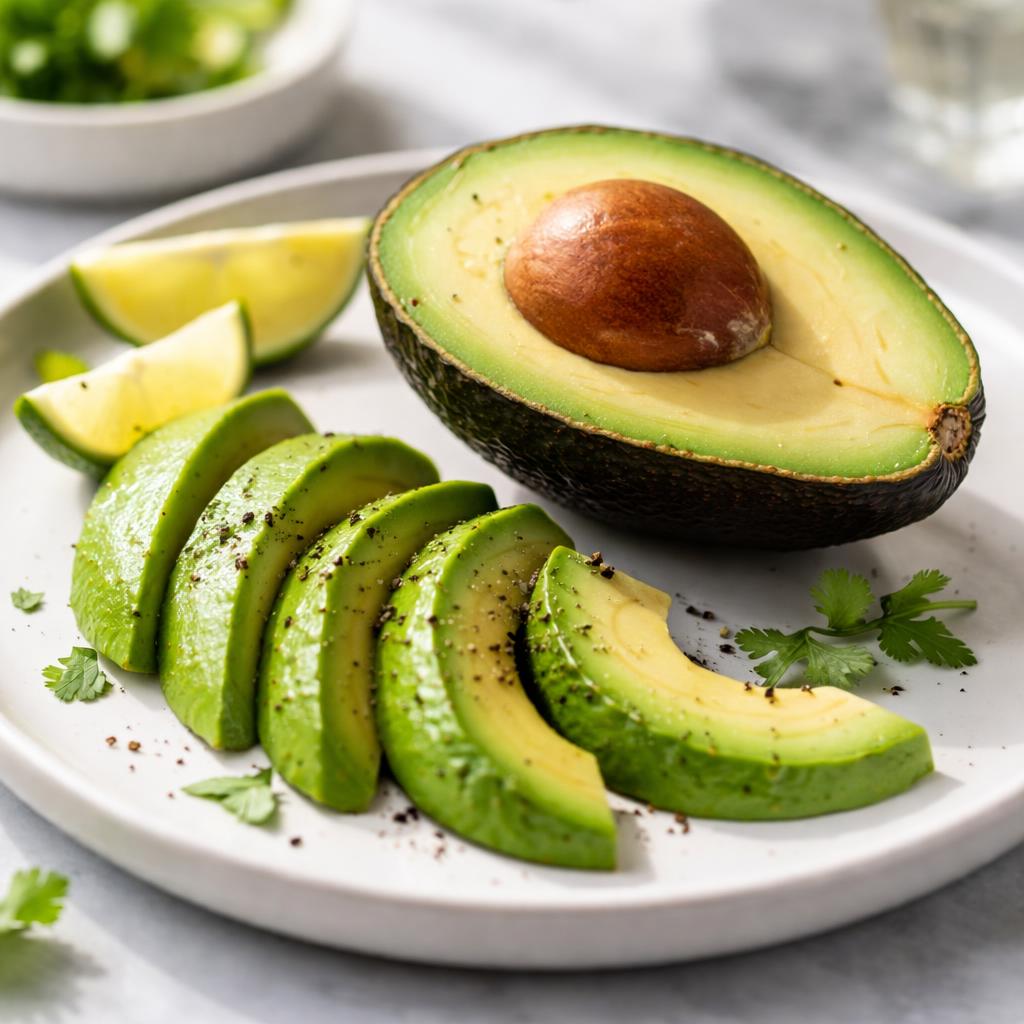
Avocado
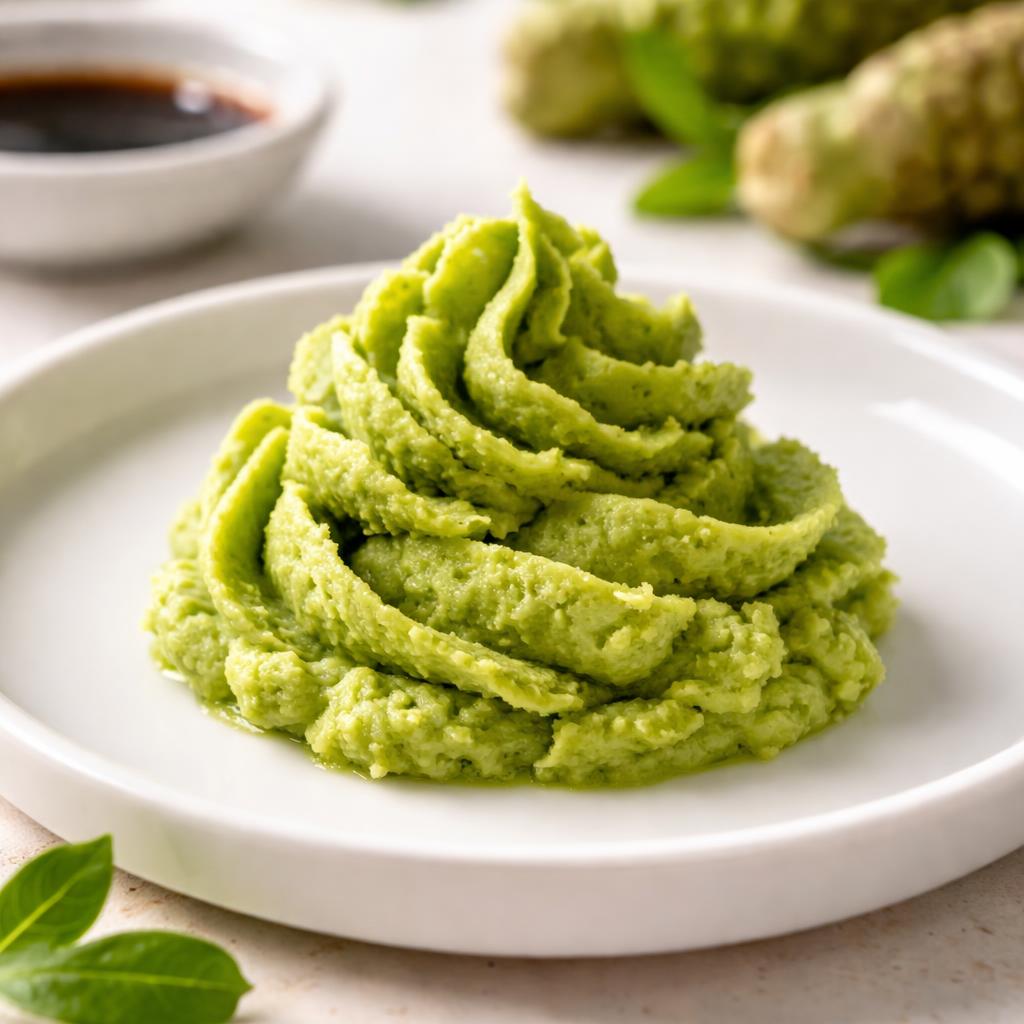
Wasabi
🎯 Quick Verdict
Avocado is nutrient-rich, with higher fiber, healthy fats, and vitamins, making it ideal for heart health and digestion. Wasabi, while low-calorie and bold-flavored, is mostly used as a condiment and does not provide significant macronutrients. Choose avocado for daily meals and wasabi for occasional flavor enhancement.

Smart Nutrition Tracking with SnapCalorie

📊 Nutritional Comparison
Macronutrients
| Nutrient | Food 1 | Food 2 | Winner |
|---|---|---|---|
| Calories | 160 | 15 | ✓ |
| Protein | 2g | 2g | − |
| Carbs | 9g | 3g | ✓ |
| Fat | 15g | 0.7g | ✓ |
| Fiber | 7g | 0.5g | ✓ |
Vitamins & Minerals
| Nutrient | Food 1 | Food 2 | Winner |
|---|---|---|---|
| Vitamin C | 10mg | 19mg | ✓ |
| Vitamin K | 21mcg | 75mcg | ✓ |
| Potassium | 485mg | 200mg | ✓ |
| Magnesium | 29mg | 32mg | ✓ |
🏆 Category Winners
Protein
Both foods provide an equal amount of protein per serving (2g).
Fiber
Avocado contains 7g of fiber per serving, making it much better for digestion.
Calories
Wasabi is significantly lower in calories (15 calories vs 160 calories per serving).
🥗 Diet Compatibility
Keto
Food 1: Compatible
Food 2: Not Compatible
Avocado is high in healthy fats; wasabi's carb ratio is less ideal for keto.
Vegan
Food 1: Compatible
Food 2: Compatible
Both are plant-based and suitable for vegan diets.
Gluten Free
Food 1: Compatible
Food 2: Compatible
Neither contains gluten.
Paleo
Food 1: Compatible
Food 2: Compatible
Both align with paleo diet principles.
Low Carb
Food 1: Compatible
Food 2: Compatible
Both are relatively low in net carbs.
💪 Health Benefits Comparison
Food 1 Benefits
- Rich in heart-healthy monounsaturated fats
- Excellent source of fiber to promote digestion
- High potassium levels for electrolyte balance
- Contains antioxidants like lutein for eye health
Food 2 Benefits
- Low-calorie option for weight-conscious diets
- Contains unique anti-inflammatory compounds (isothiocyanates)
- Rich in Vitamin C and Vitamin K
- Delivers antioxidants to support immunity
✅ The Bottom Line
Avocado is the more versatile superfood, offering macronutrients and vitamins that support overall health, digestion, and heart function. Wasabi, while offering unique flavor and anti-inflammatory benefits, is best used as a condiment rather than a staple due to its lack of major nutrients.
Choose Food 1 for: Heart health, weight management, keto-friendly meals, digestion support
Choose Food 2 for: Flavor enhancement, immunity boost, low-calorie condiments


