Avocado VS Tuna
A detailed nutritional comparison
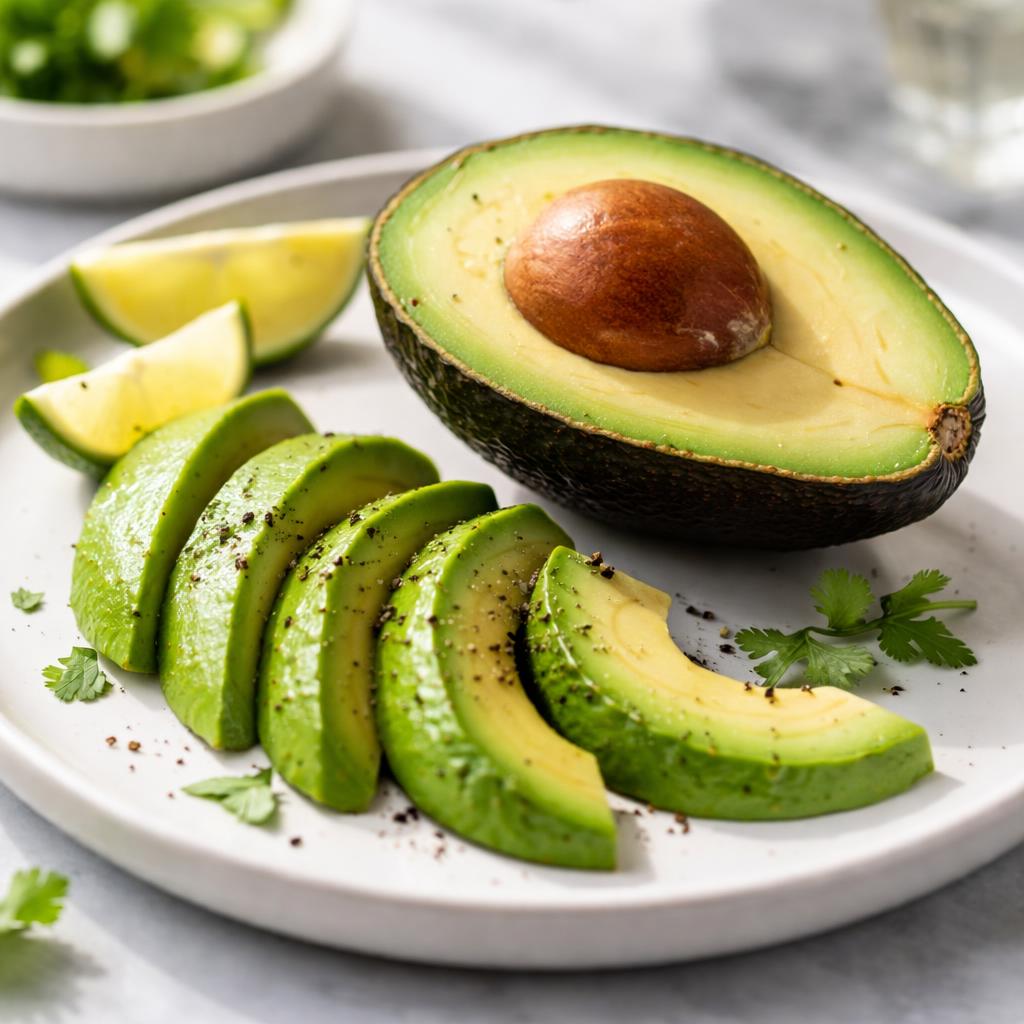
Avocado
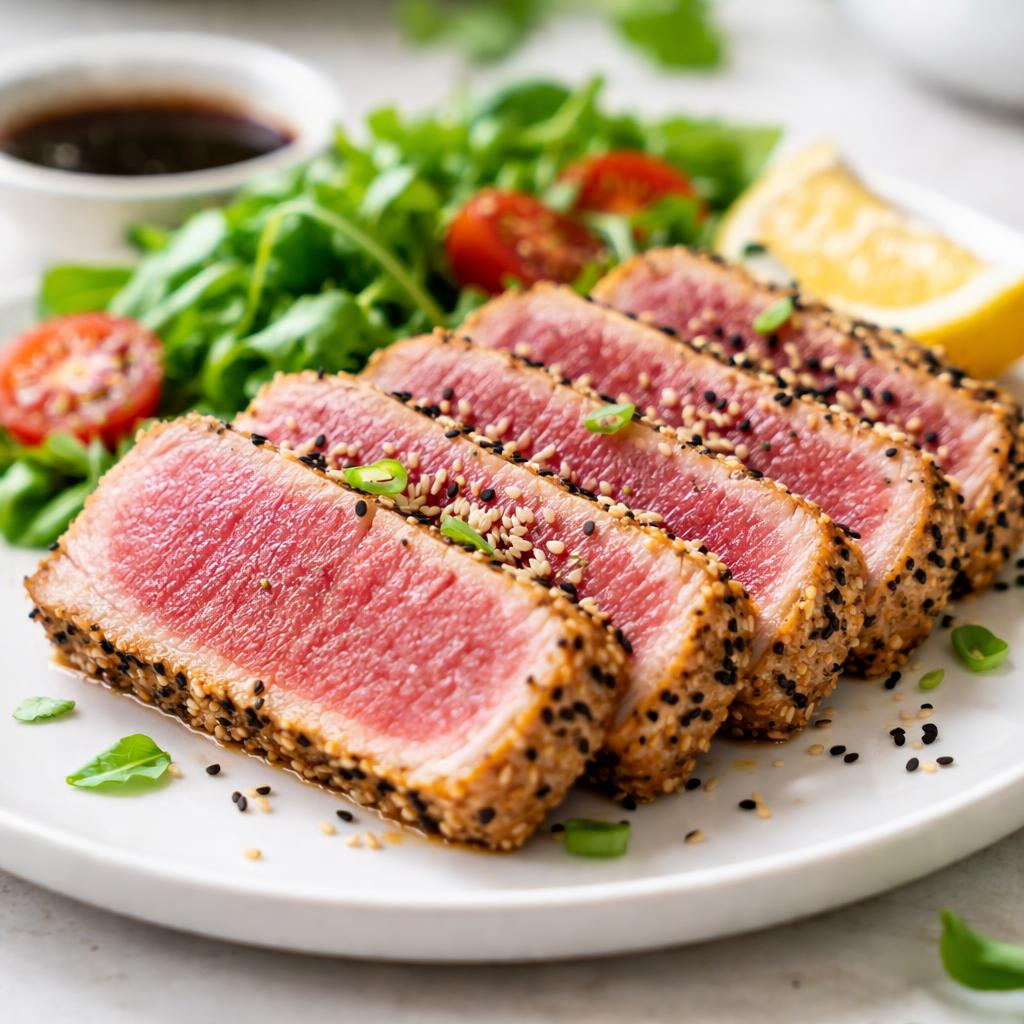
Tuna
🎯 Quick Verdict
Avocado is high in healthy fats, fiber, and vitamins like potassium and vitamin E, making it great for heart health and digestion. Tuna, on the other hand, is significantly higher in protein and lower in calories, ideal for muscle maintenance and weight management. Choose avocado for nutrient diversity and tuna for protein density.

Smart Nutrition Tracking with SnapCalorie

📊 Nutritional Comparison
Macronutrients
| Nutrient | Food 1 | Food 2 | Winner |
|---|---|---|---|
| Calories | 160 | 110 | ✓ |
| Protein | 2g | 25g | ✓ |
| Carbs | 9g | 0g | ✓ |
| Fat | 15g | 1g | ✓ |
| Fiber | 7g | 0g | ✓ |
Vitamins & Minerals
| Nutrient | Food 1 | Food 2 | Winner |
|---|---|---|---|
| Vitamin D | 0mcg | 1mcg | ✓ |
| Potassium | 485mg | 300mg | ✓ |
| Iron | 0.5mg | 1.3mg | ✓ |
| Vitamin E | 2.1mg | 0.2mg | ✓ |
🏆 Category Winners
Protein
Tuna contains 25g of protein, compared to avocado's 2g.
Fiber
Avocado provides 7g of fiber, while tuna contains none.
Calories
Tuna has 110 calories per serving, which is lower than avocado's 160 calories.
Vitamins
Avocado excels in vitamin E and potassium, while tuna provides vitamin D and iron.
🥗 Diet Compatibility
Keto
Food 1: Compatible
Food 2: Compatible
Both are low-carb and high-fat (avocado) or high-protein (tuna).
Vegan
Food 1: Compatible
Food 2: Not Compatible
Avocado is plant-based, while tuna is animal-based.
Gluten Free
Food 1: Compatible
Food 2: Compatible
Neither food contains gluten.
Paleo
Food 1: Compatible
Food 2: Compatible
Both foods fit into a paleo diet due to their whole, natural composition.
Low Carb
Food 1: Moderately Compatible
Food 2: Highly Compatible
Tuna is zero-carb, while avocado contains 9g of carbs.
💪 Health Benefits Comparison
Food 1 Benefits
- Rich in heart-healthy monounsaturated fats
- Excellent source of potassium for blood pressure regulation
- High fiber content supports gut health and digestion
- Provides antioxidants including vitamin E and carotenoids
Food 2 Benefits
- High-quality protein that supports muscle growth and repair
- Low in calories, ideal for weight management
- Contains omega-3 fatty acids for brain and heart health
- Good source of iron for energy production
✅ The Bottom Line
Avocado and tuna serve distinct nutritional purposes. Opt for avocado if you’re looking for healthy fats, fiber, and a nutrient-dense addition to salads or snacking. Choose tuna if you need lean protein for muscle recovery or low-calorie, high-protein meals. Combining them can create a balanced, nutrient-dense dish.
Choose Food 1 for: Snack options, heart health, fiber-rich diets
Choose Food 2 for: Weight loss, muscle building, low-calorie meals


