Avocado VS Spinach
A detailed nutritional comparison
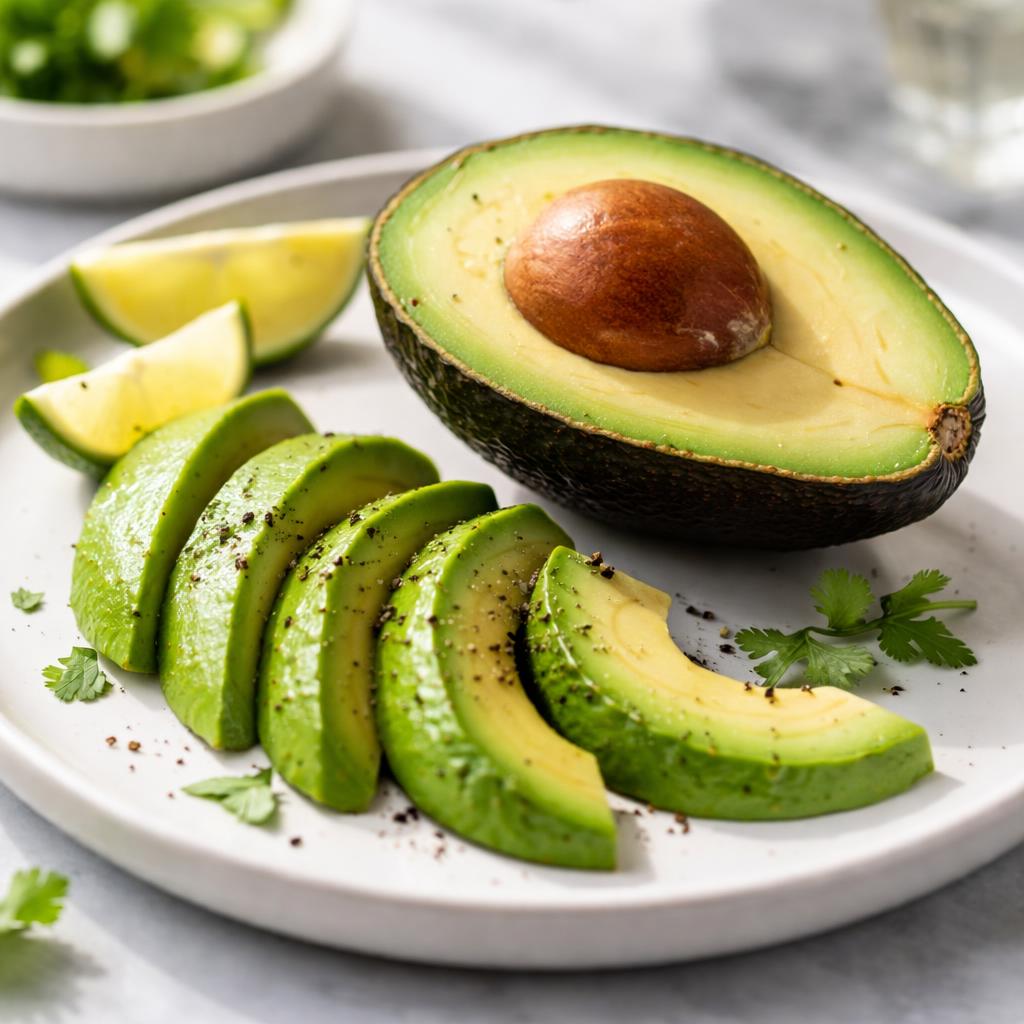
Avocado
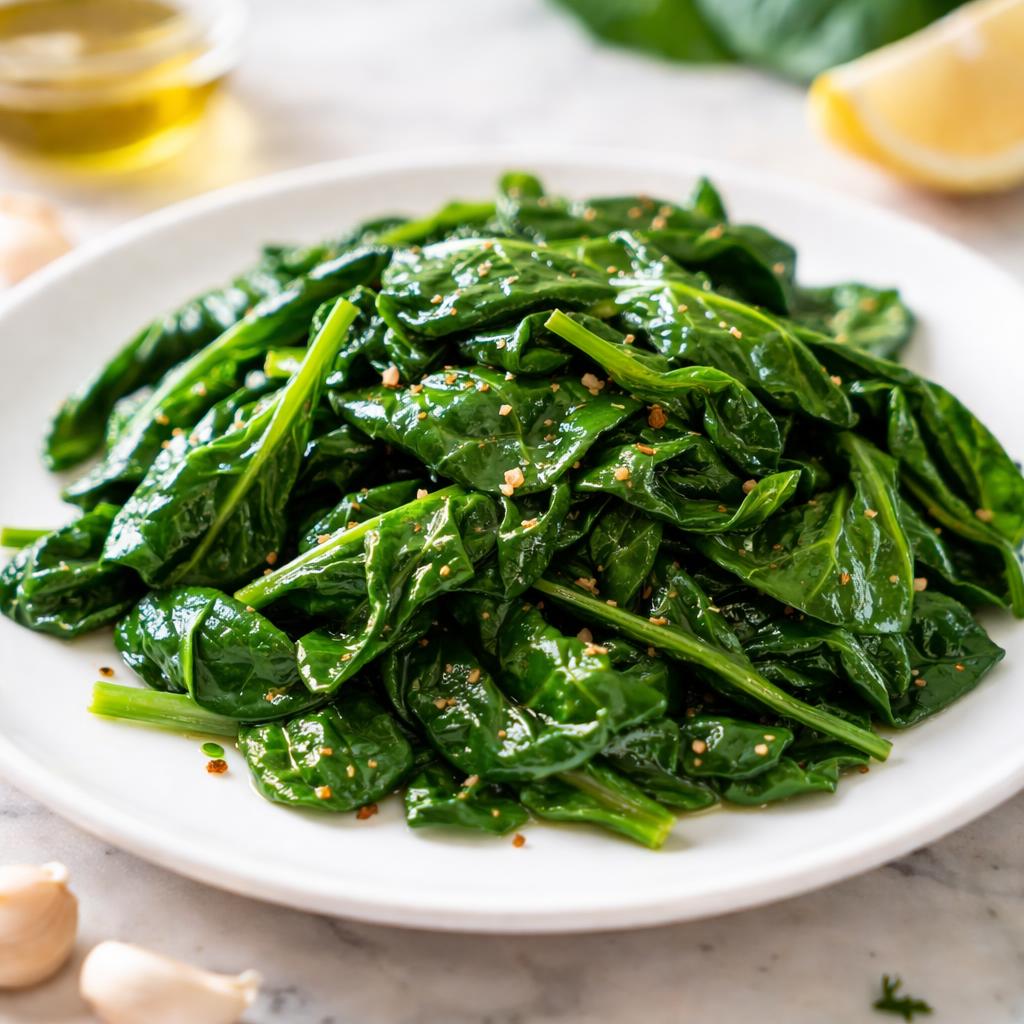
Spinach
🎯 Quick Verdict
Avocado is higher in healthy fats and fiber, making it an excellent choice for heart health and digestive support. Spinach is lower in calories and offers more protein and micronutrients like iron and Vitamin K, making it ideal for nutrient density and low-calorie diets. Both foods are highly versatile and nutrient-dense choices for different dietary needs.

Smart Nutrition Tracking with SnapCalorie

📊 Nutritional Comparison
Macronutrients
| Nutrient | Food 1 | Food 2 | Winner |
|---|---|---|---|
| Calories | 160 (per 100g) | 23 (per 100g) | ✓ |
| Protein | 2g (per 100g) | 2.9g (per 100g) | ✓ |
| Carbs | 8.5g (per 100g) | 3.6g (per 100g) | ✓ |
| Fat | 15g (per 100g) | 0.4g (per 100g) | ✓ |
| Fiber | 6.7g (per 100g) | 2.2g (per 100g) | ✓ |
Vitamins & Minerals
| Nutrient | Food 1 | Food 2 | Winner |
|---|---|---|---|
| Vitamin C | 10mg (11% DV) | 28mg (31% DV) | ✓ |
| Vitamin K | 21mcg (26% DV) | 482mcg (579% DV) | ✓ |
| Iron | 0.6mg (7% DV) | 2.7mg (34% DV) | ✓ |
| Folate | 81mcg (20% DV) | 194mcg (49% DV) | ✓ |
🏆 Category Winners
Protein
Spinach provides 45% more protein per 100g compared to avocado.
Fiber
Avocado delivers over three times the fiber content of spinach per serving.
Calories
Spinach is significantly lower in calories, with only 23 per 100g compared to avocado's 160 calories.
Vitamins
Spinach dominates in micronutrients such as Vitamin K, iron, and folate, delivering much higher daily value percentages.
🥗 Diet Compatibility
Keto
Food 1: Compatible
Food 2: Compatible
Both foods are low-carb and fit into a ketogenic diet.
Vegan
Food 1: Compatible
Food 2: Compatible
Avocado and spinach are plant-based and suitable for vegans.
Gluten Free
Food 1: Compatible
Food 2: Compatible
Neither contains gluten, making them suitable for gluten-free diets.
Paleo
Food 1: Compatible
Food 2: Compatible
Both foods align with paleo guidelines as whole, unprocessed plant foods.
Low-Carb
Food 1: Compatible
Food 2: Compatible
Both are low in carbs, but avocado provides more energy through healthy fats, while spinach is extremely low-calorie.
💪 Health Benefits Comparison
Food 1 Benefits
- Rich source of heart-healthy monounsaturated fats
- High in fiber, supporting health digestion and satiety
- Contains potassium, which helps regulate blood pressure
- Provides vitamin E, an antioxidant for skin health
Food 2 Benefits
- Excellent source of vitamin K for bone health and blood clotting
- High in iron, supporting oxygen transport and energy levels
- Rich in antioxidants like beta-carotene, promoting immune health
- Very low in calories, making it ideal for weight management and nutrient density
✅ The Bottom Line
Avocado is perfect for diets focusing on healthy fats, fiber, and sustained energy, while spinach shines in low-calorie plans seeking maximum nutrient density and protein. Combine them for balanced meals like salads, smoothies, or wraps to leverage their unique benefits.
Choose Food 1 for: Heart health, digestion, sustained energy, ketogenic diets
Choose Food 2 for: Weight management, bone health, immune support, nutrient density


