Avocado VS Sliced Avocado
A detailed nutritional comparison
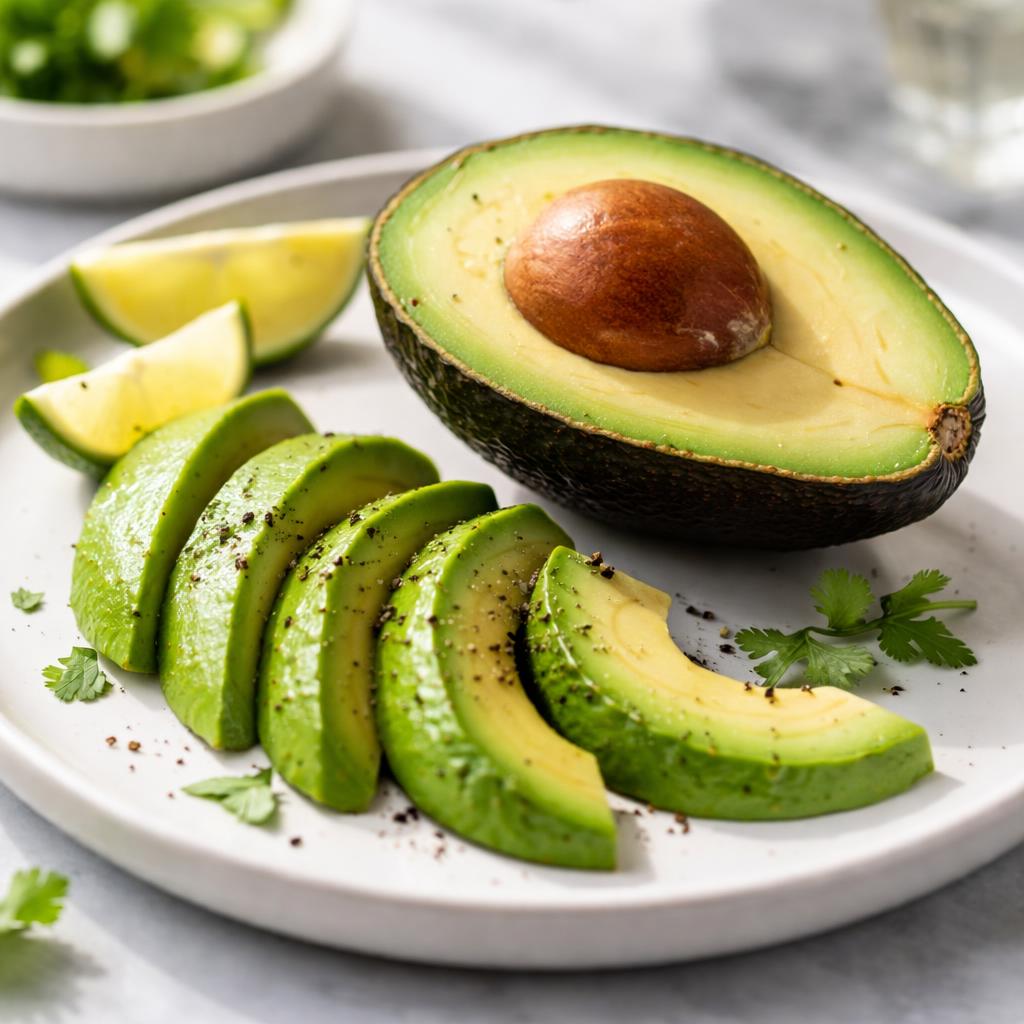
Avocado
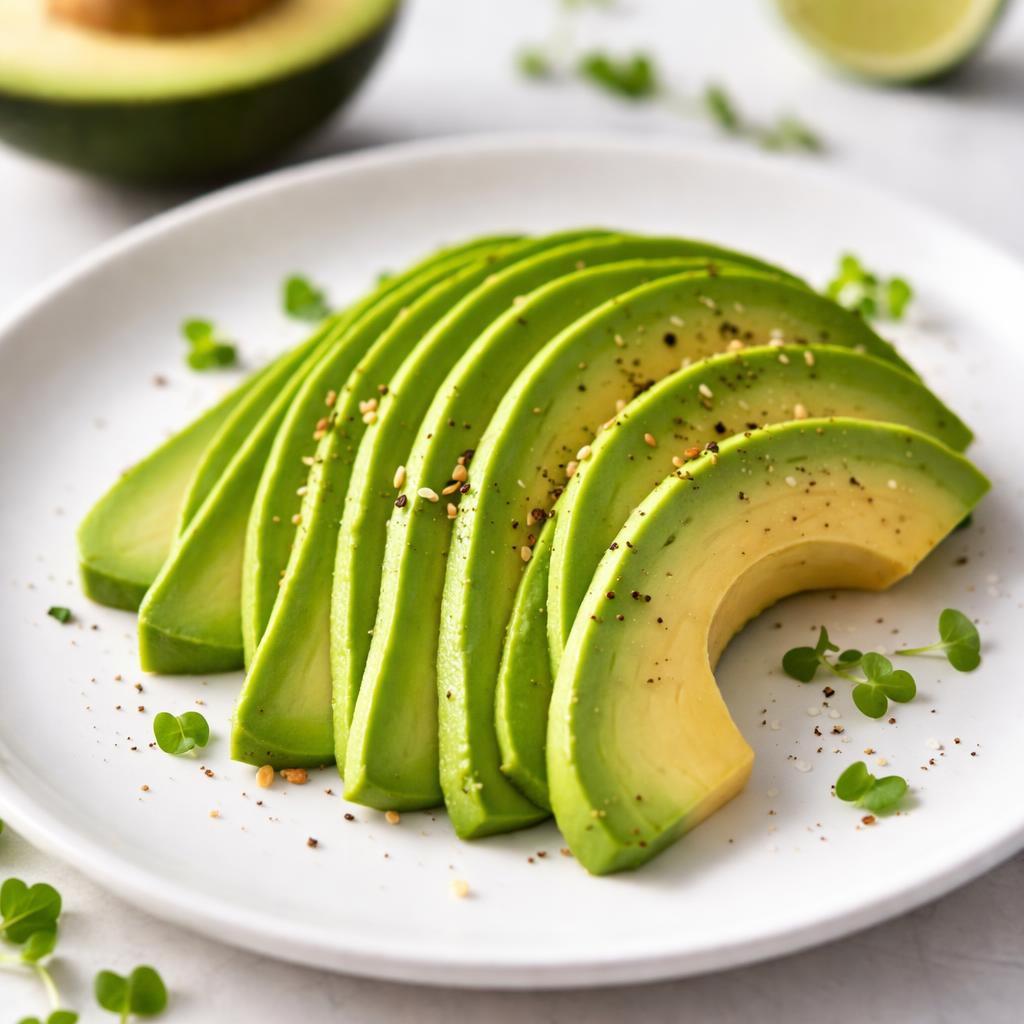
Sliced Avocado
🎯 Quick Verdict
Food 1 (whole avocado) and Food 2 (sliced avocado) are nutritionally identical, as slicing does not alter the nutrient composition. Both are high in healthy fats, a good source of fiber, and offer various vitamins and minerals. Choose based on preparation needs and convenience rather than nutritional differences.

Smart Nutrition Tracking with SnapCalorie

📊 Nutritional Comparison
Macronutrients
| Nutrient | Food 1 | Food 2 | Winner |
|---|---|---|---|
| Calories | 160 per 100g | 160 per 100g | − |
| Protein | 2g per 100g | 2g per 100g | − |
| Carbs | 9g per 100g | 9g per 100g | − |
| Fat | 15g per 100g | 15g per 100g | − |
| Fiber | 7g per 100g | 7g per 100g | − |
Vitamins & Minerals
| Nutrient | Food 1 | Food 2 | Winner |
|---|---|---|---|
| Vitamin K | 21mcg per 100g | 21mcg per 100g | − |
| Folate | 81mcg per 100g | 81mcg per 100g | − |
| Vitamin E | 2.7mg per 100g | 2.7mg per 100g | − |
🏆 Category Winners
Protein
Both provide the same protein content per serving.
Fiber
Both foods contain the same amount of fiber.
Calories
Both have identical caloric content per 100g serving.
🥗 Diet Compatibility
Keto
Food 1: Compatible
Food 2: Compatible
High fat and low-carb content in both make them ideal for keto diets.
Vegan
Food 1: Compatible
Food 2: Compatible
Both foods are entirely plant-based and vegan-friendly.
Gluten Free
Food 1: Compatible
Food 2: Compatible
Avocado does not contain gluten in either form.
Paleo
Food 1: Compatible
Food 2: Compatible
Avocado in both forms aligns with paleo dietary guidelines.
Low-Carb
Food 1: Compatible
Food 2: Compatible
Both foods are low in carbohydrates, making them suitable for low-carb diets.
💪 Health Benefits Comparison
Food 1 Benefits
- Rich in heart-healthy monounsaturated fats
- Excellent source of fiber for gut health
- Contains potassium to support muscle function and regulate blood pressure
- Provides antioxidants that help reduce inflammation
Food 2 Benefits
- Rich in heart-healthy monounsaturated fats
- Excellent source of fiber for gut health
- Contains potassium to support muscle function and regulate blood pressure
- Provides antioxidants that help reduce inflammation
✅ The Bottom Line
There is no nutritional difference between whole avocado and sliced avocado. Choose whole avocado if you prefer to slice it fresh or sliced avocado for convenience. Both are versatile options for health-conscious diets.
Choose Food 1 for: Fresh preparation, whole fruit storage, versatile slicing
Choose Food 2 for: Convenience, meal prep, quicker serving


