Avocado VS Seaweed
A detailed nutritional comparison
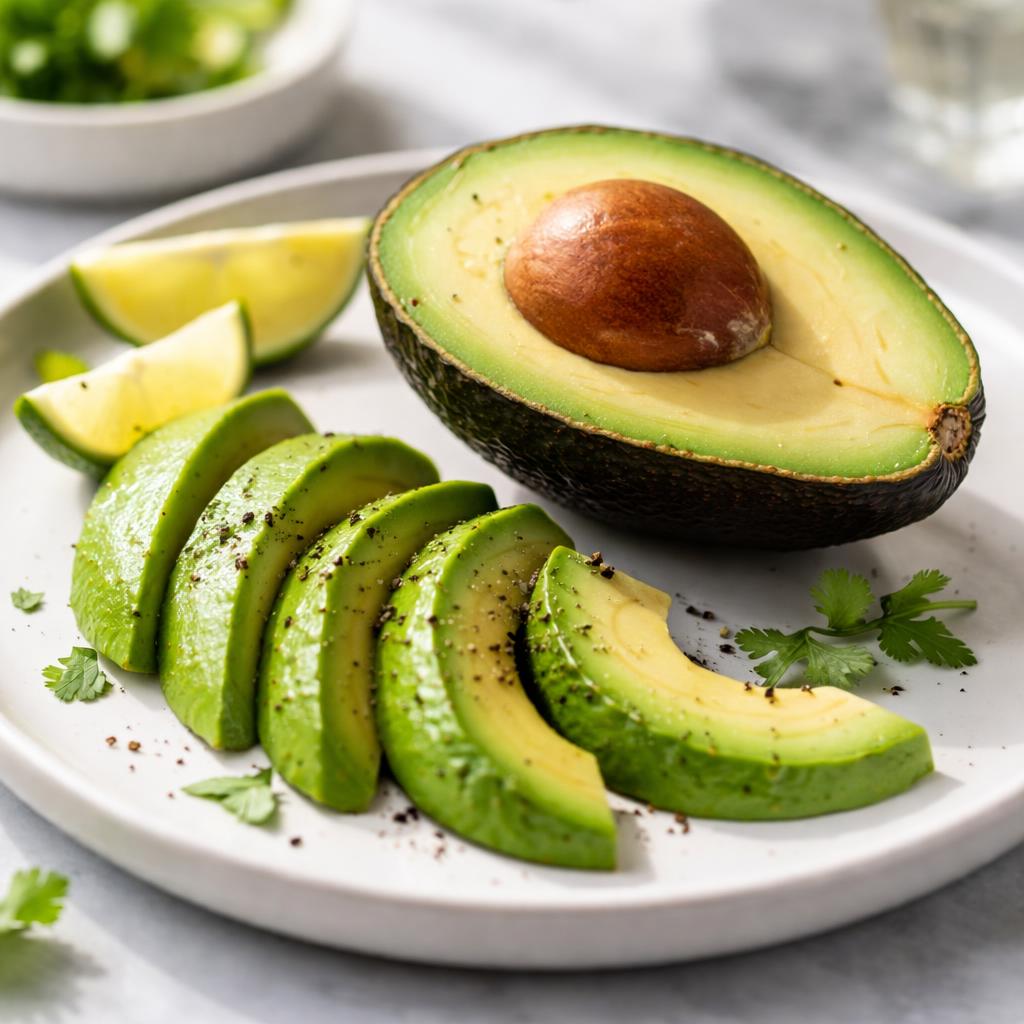
Avocado
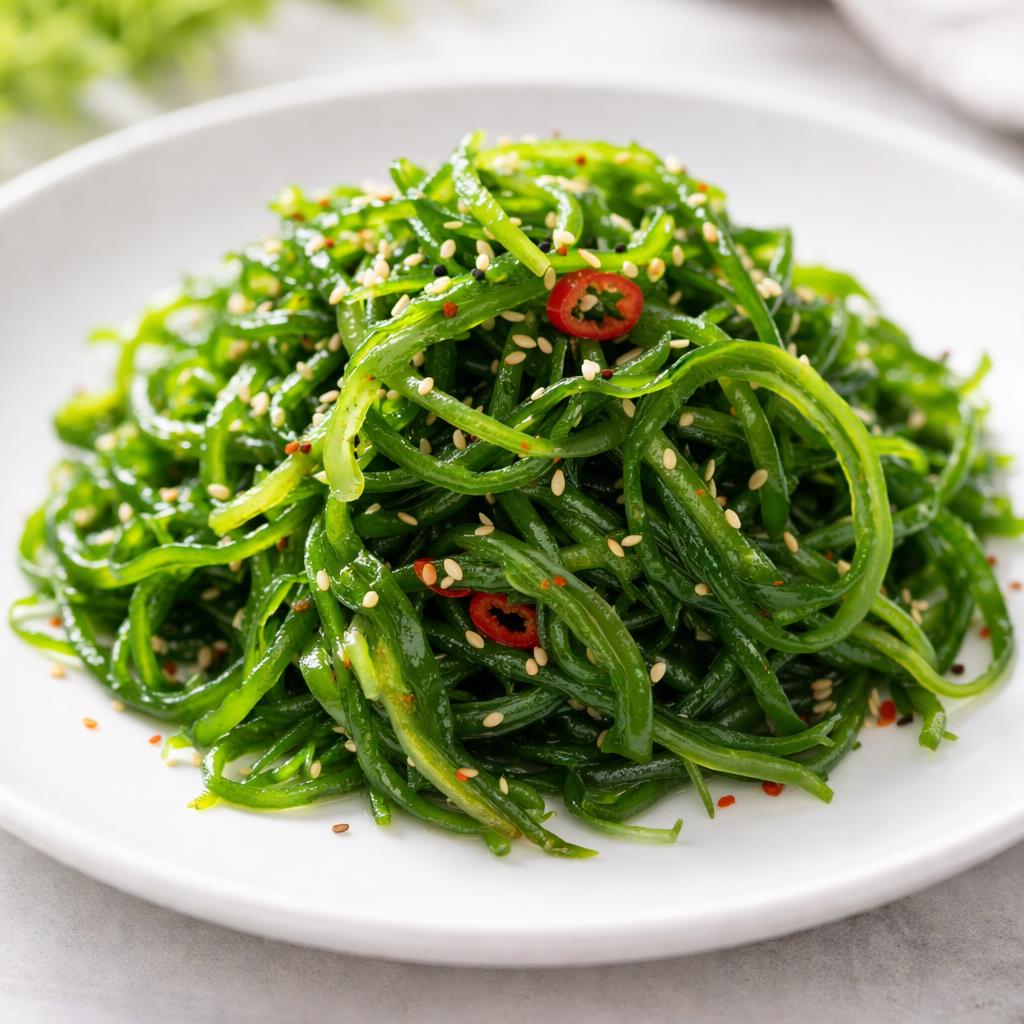
Seaweed
🎯 Quick Verdict
Avocado and seaweed are nutrient-dense foods with distinct advantages. Avocado stands out for its heart-healthy fats, fiber, and vitamin content, while seaweed excels in protein, iodine, and low calorie density. Avocado is ideal for energy-dense diets, while seaweed fits well in low-calorie and iodine-rich meal plans.

Smart Nutrition Tracking with SnapCalorie

📊 Nutritional Comparison
Macronutrients
| Nutrient | Food 1 | Food 2 | Winner |
|---|---|---|---|
| Calories | 160 | 45 | ✓ |
| Protein | 2g | 5g | ✓ |
| Carbs | 9g | 8g | ✓ |
| Fat | 15g | 1g | ✓ |
| Fiber | 7g | 0.5g | ✓ |
Vitamins & Minerals
| Nutrient | Food 1 | Food 2 | Winner |
|---|---|---|---|
| Vitamin C | 10mg | 2mg | ✓ |
| Vitamin K | 21mcg | 3mcg | ✓ |
| Vitamin E | 2mg | 0.5mg | ✓ |
| Iodine | less than 1mcg | 300mcg | ✓ |
🏆 Category Winners
Protein
Seaweed contains 150% more protein per serving than avocado.
Fiber
Avocado provides 14x more fiber per serving than seaweed.
Calories
Seaweed has approximately 72% fewer calories per serving compared to avocado.
Vitamins
Avocado delivers higher amounts of vitamins like C, K, and E, while seaweed wins for iodine content.
🥗 Diet Compatibility
Keto
Food 1: Compatible
Food 2: Compatible
Both foods are low in carbs and fit well into a ketogenic diet.
Vegan
Food 1: Compatible
Food 2: Compatible
Both foods are plant-based and suitable for vegans.
Gluten Free
Food 1: Compatible
Food 2: Compatible
Neither avocado nor seaweed contains gluten.
Paleo
Food 1: Compatible
Food 2: Compatible
Both foods align with paleo diet principles as minimally processed whole foods.
Low-Carb
Food 1: Compatible
Food 2: Compatible
Avocado and seaweed are both low in carbohydrates, making them suitable for low-carb diets.
💪 Health Benefits Comparison
Food 1 Benefits
- Rich in heart-healthy monounsaturated fats for cardiovascular health
- Excellent source of dietary fiber to support digestion
- Contains vitamin K for bone health and blood clotting
- Provides antioxidants like vitamin E for skin health
Food 2 Benefits
- High in iodine for thyroid function and hormone regulation
- Good source of protein to support muscle health
- Offers antioxidants for cell protection
- Low-calorie food beneficial for weight management
✅ The Bottom Line
Avocado and seaweed both bring unique nutritional benefits. Choose avocado for heart health, fiber, and energy-dense meals, especially in high-fat diets. Opt for seaweed for a protein boost, iodine, and low-calorie options, fitting well in light or detox-friendly meals.
Choose Food 1 for: Heart health, high-fat diets, weight gain or maintenance
Choose Food 2 for: Thyroid health, weight loss, low-calorie diets


