Avocado VS Salad Dressing
A detailed nutritional comparison
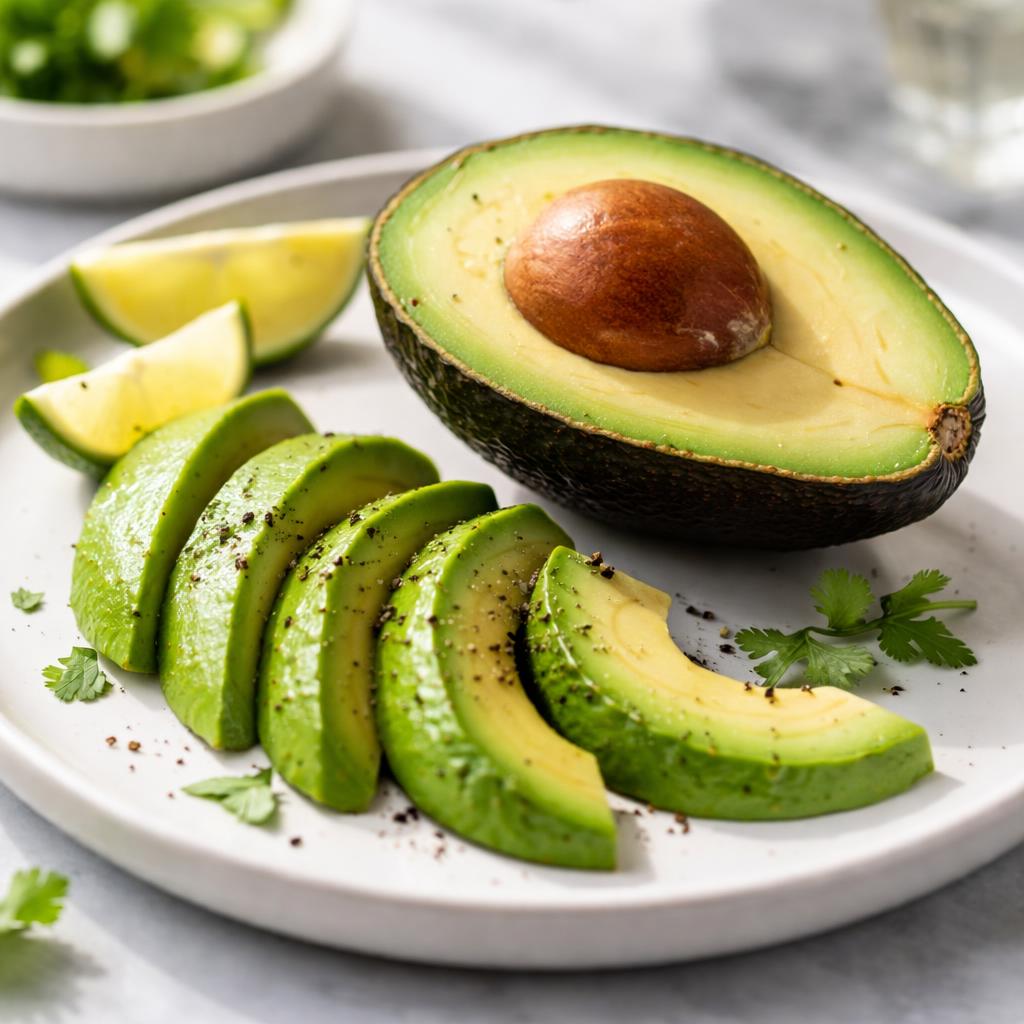
Avocado
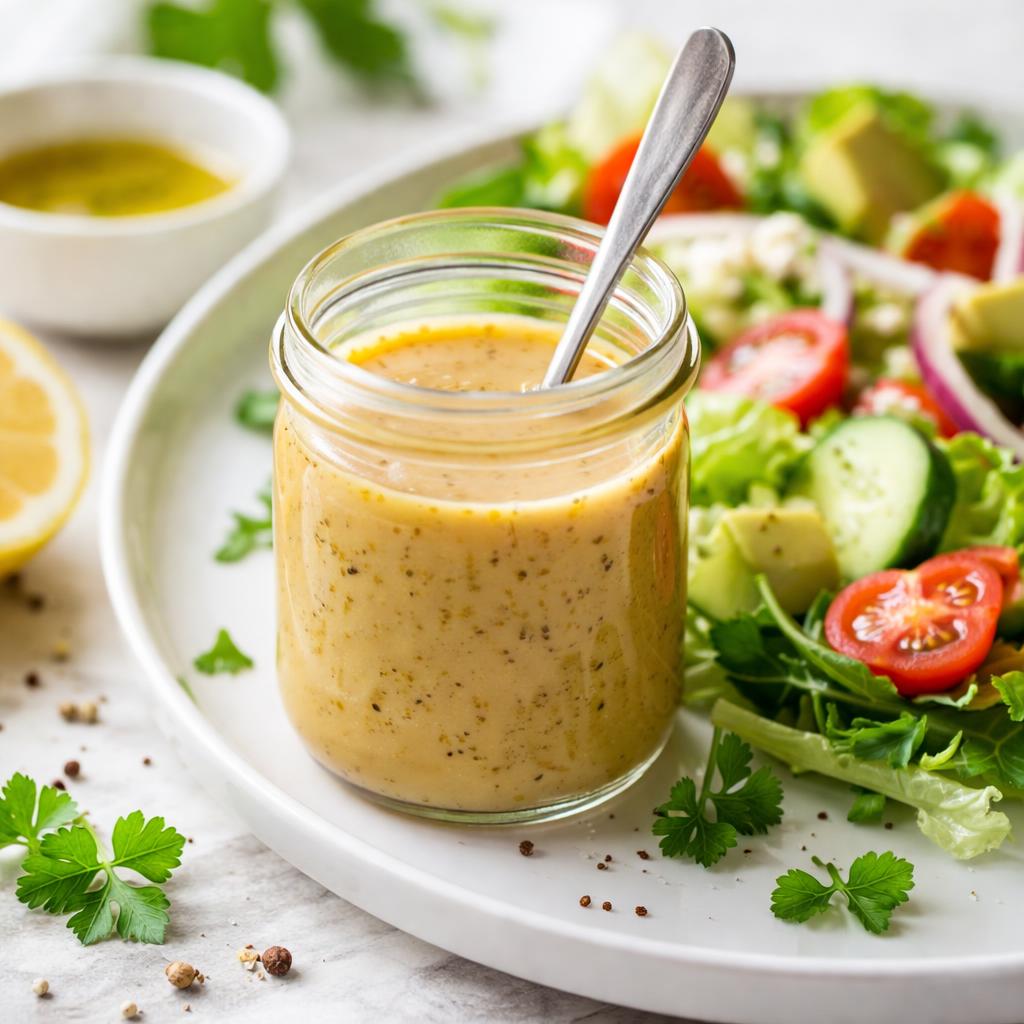
Salad Dressing
🎯 Quick Verdict
Avocados provide more nutritional benefits than salad dressing, offering higher protein, fiber, and essential vitamins. Salad dressing typically contains fewer calories but lacks significant macronutrients and vitamins. Avocados are better suited for overall health and nutrient density, whereas salad dressing can enhance flavor for meals without major nutrient contribution.

Smart Nutrition Tracking with SnapCalorie

📊 Nutritional Comparison
Macronutrients
| Nutrient | Food 1 | Food 2 | Winner |
|---|---|---|---|
| Calories | 160 per 100g | 50 per tablespoon (15g) | ✓ |
| Protein | 2g per 100g | 0g | ✓ |
| Carbs | 9g per 100g | 1g per tablespoon (15g) | ✓ |
| Fat | 15g per 100g | 4g per tablespoon (15g) | ✓ |
| Fiber | 7g per 100g | 0g | ✓ |
Vitamins & Minerals
| Nutrient | Food 1 | Food 2 | Winner |
|---|---|---|---|
| Vitamin E | 2.1mg per 100g | 0.8mg per tablespoon (15g) | ✓ |
| Vitamin K | 21mcg per 100g | 10mcg per tablespoon (15g) | ✓ |
| Folate | 81mcg per 100g | 0mcg | ✓ |
🏆 Category Winners
Protein
Avocados provide 2g of protein per 100g, whereas salad dressing contains none.
Fiber
Avocados contain 7g of fiber per 100g compared to none in salad dressing.
Calories
A tablespoon of salad dressing has only 50 calories, significantly lower than avocado's 160 calories per 100g.
🥗 Diet Compatibility
Keto
Food 1: Compatible
Food 2: Compatible
Both are low-carb and high-fat options.
Vegan
Food 1: Compatible
Food 2: Generally Compatible
Unless the salad dressing contains non-vegan additives, both are suitable for vegan diets.
Gluten Free
Food 1: Compatible
Food 2: Compatible
Neither food contains gluten ingredients.
Paleo
Food 1: Compatible
Food 2: Potentially Compatible
Avocados fit the paleo diet, but salad dressing compatibility depends on ingredients (e.g., processed oils or sugars).
Low-Carb
Food 1: Compatible
Food 2: Compatible
Both foods are low in carbohydrates per serving.
💪 Health Benefits Comparison
Food 1 Benefits
- Rich in heart-healthy monounsaturated fats
- High in fiber to support digestion
- Packed with vitamins E, K, and folate for cellular health
- Contains antioxidants like lutein beneficial for eye health
Food 2 Benefits
- Provides flavor with low calorie content
- May contain healthy fats depending on oil type
- Minor contribution of vitamins like vitamin K
- Enhances enjoyment and consumption of nutrient-dense foods like vegetables
✅ The Bottom Line
Avocados are nutritionally dense and can be considered a superfood, offering healthy fats, fiber, and essential vitamins. Salad dressing, while lower in calories, is mainly a condiment and lacks macronutrient or significant vitamin contributions. Choose avocado for health benefits, and use salad dressing to enhance the flavor of meals without adding too many calories.
Choose Food 1 for: Heart health, digestion, nutrient density, keto and paleo diets
Choose Food 2 for: Low-calorie flavor enhancement, vegan, gluten-free, and low-carb diets


