Avocado VS Pasta Salad
A detailed nutritional comparison
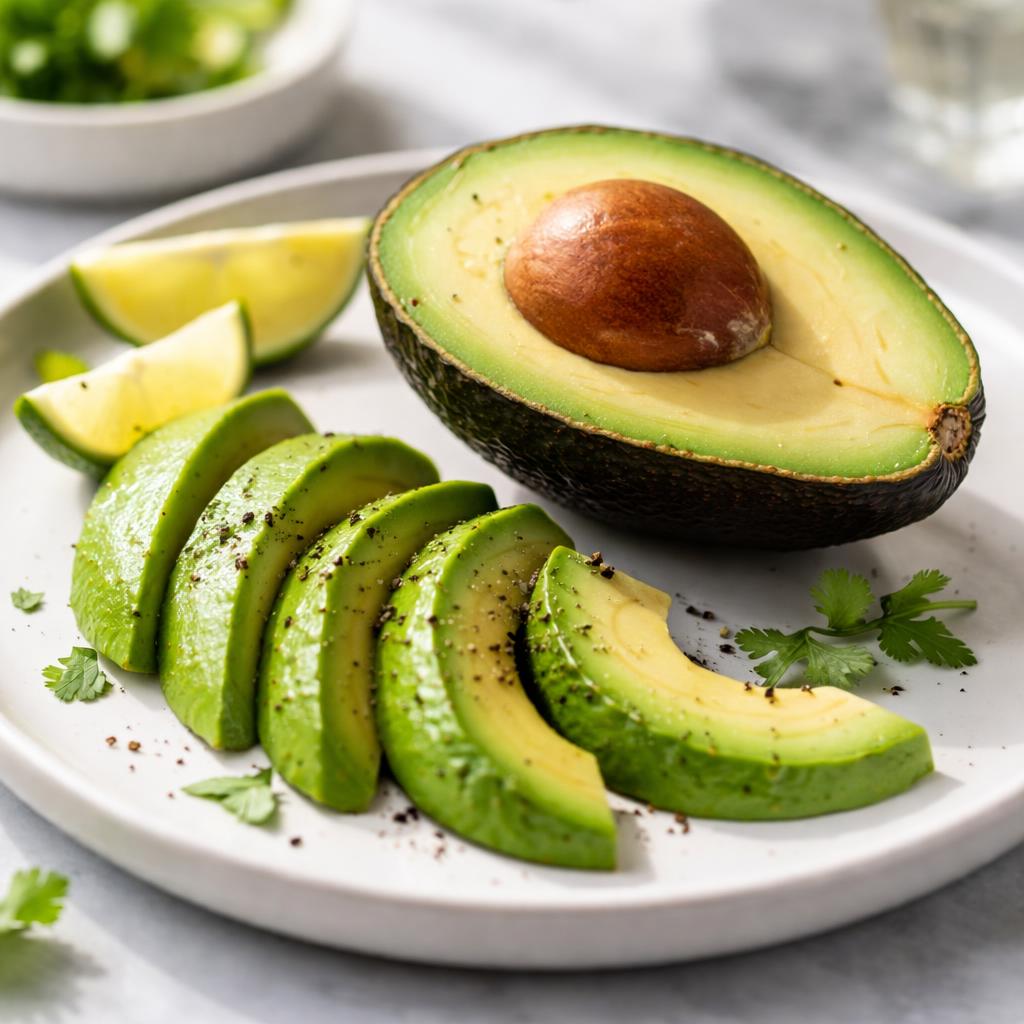
Avocado
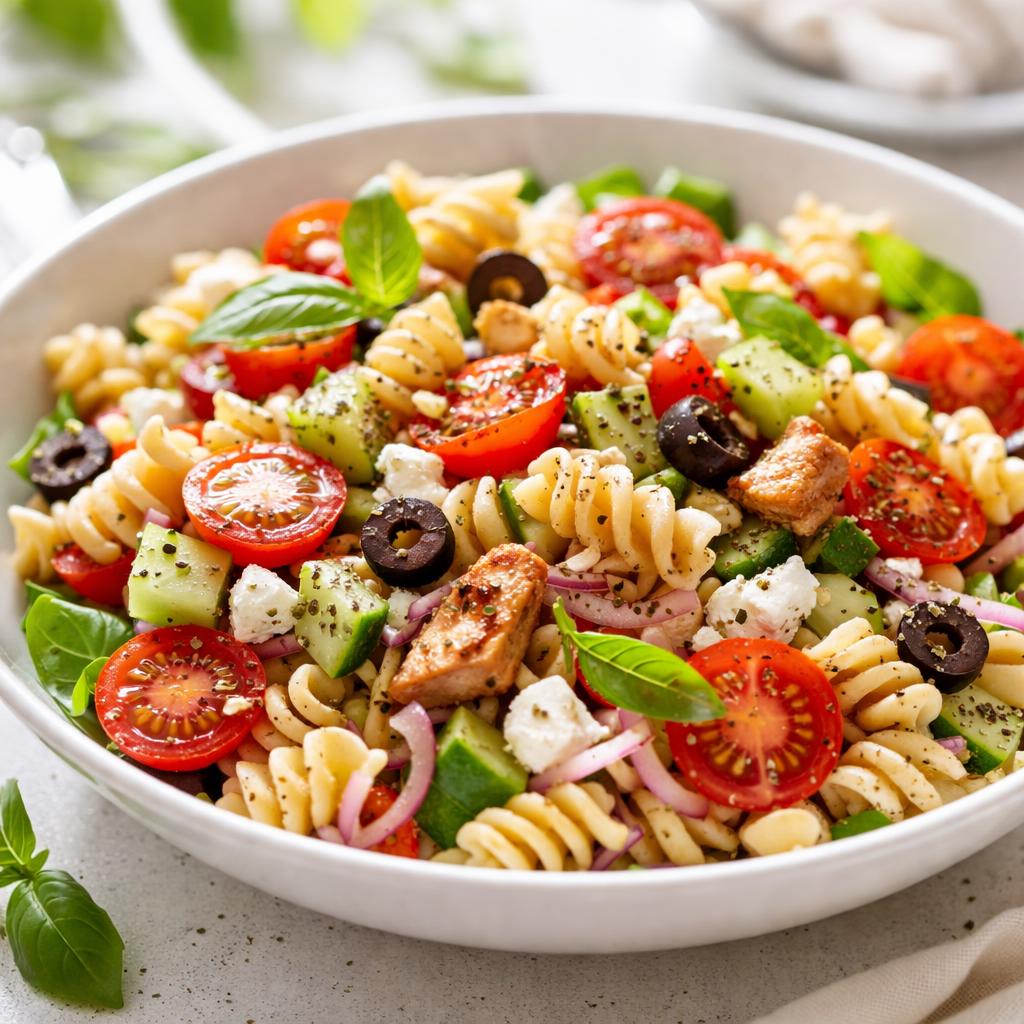
Pasta Salad
🎯 Quick Verdict
Avocado is a nutrient-dense fruit with healthy monounsaturated fats, making it ideal for heart health and weight management. Pasta salad is a convenient and versatile dish provided it incorporates lean protein and vegetables. While avocado wins in fiber and healthy fats, pasta salad edges out in protein content depending on the recipe composition.

Smart Nutrition Tracking with SnapCalorie

📊 Nutritional Comparison
Macronutrients
| Nutrient | Food 1 | Food 2 | Winner |
|---|---|---|---|
| Calories | 160 (per 100g) | 350 (per 100g) | ✓ |
| Protein | 2g | 7g | ✓ |
| Carbs | 9g | 44g | ✓ |
| Fat | 15g | 10g | ✓ |
| Fiber | 7g | 2g | ✓ |
Vitamins & Minerals
| Nutrient | Food 1 | Food 2 | Winner |
|---|---|---|---|
| Vitamin E | 2.1mg | 0.5mg | ✓ |
| Vitamin C | 10mg | 2mg | ✓ |
| Iron | 0.6mg | 1.8mg | ✓ |
| Folate | 81mcg | 35mcg | ✓ |
🏆 Category Winners
Protein
Food2 provides 250% more protein per serving than food1.
Fiber
Avocado delivers 250% more fiber than pasta salad.
Calories
Food1 has 54% fewer calories per serving compared to food2.
Vitamins
Avocado is richer in most nutrients, including vitamin E and folate.
🥗 Diet Compatibility
Keto
Food 1: Compatible
Food 2: Not Compatible
Avocado is low in carbs and fits ketogenic diets.
Vegan
Food 1: Compatible
Food 2: Compatible
Both foods are plant-based depending on pasta salad ingredients.
Gluten Free
Food 1: Compatible
Food 2: Not Compatible
Avocado is inherently gluten-free, while pasta salad typically contains gluten unless made with gluten-free pasta.
Paleo
Food 1: Compatible
Food 2: Not Compatible
Avocado fits paleo diets, but pasta salad often includes processed ingredients, which are not allowed.
Low-Carb
Food 1: Compatible
Food 2: Not Compatible
Avocado is naturally low in carbs, while pasta salad is carb-dense.
💪 Health Benefits Comparison
Food 1 Benefits
- Rich in heart-healthy monounsaturated fats
- Supports digestion due to high fiber content
- Excellent source of vitamins E and C, beneficial for skin health
- Contains antioxidants and supports anti-inflammatory processes
Food 2 Benefits
- Higher protein content for energy and muscle maintenance
- Versatile and customizable for nutrient variety
- Carb content for quick energy refueling
- Iron content supports oxygen transport in the body
✅ The Bottom Line
Choose avocado for nutrient density, heart health, and suitability for low-carb diets. Opt for pasta salad if you’re looking for a convenient meal with higher protein and energy content (especially post-workout or during carb-loading).
Choose Food 1 for: Weight loss, low-carb or keto diets, heart health
Choose Food 2 for: Quick energy, higher protein intake, customizable meal prep


