Avocado VS Dill
A detailed nutritional comparison
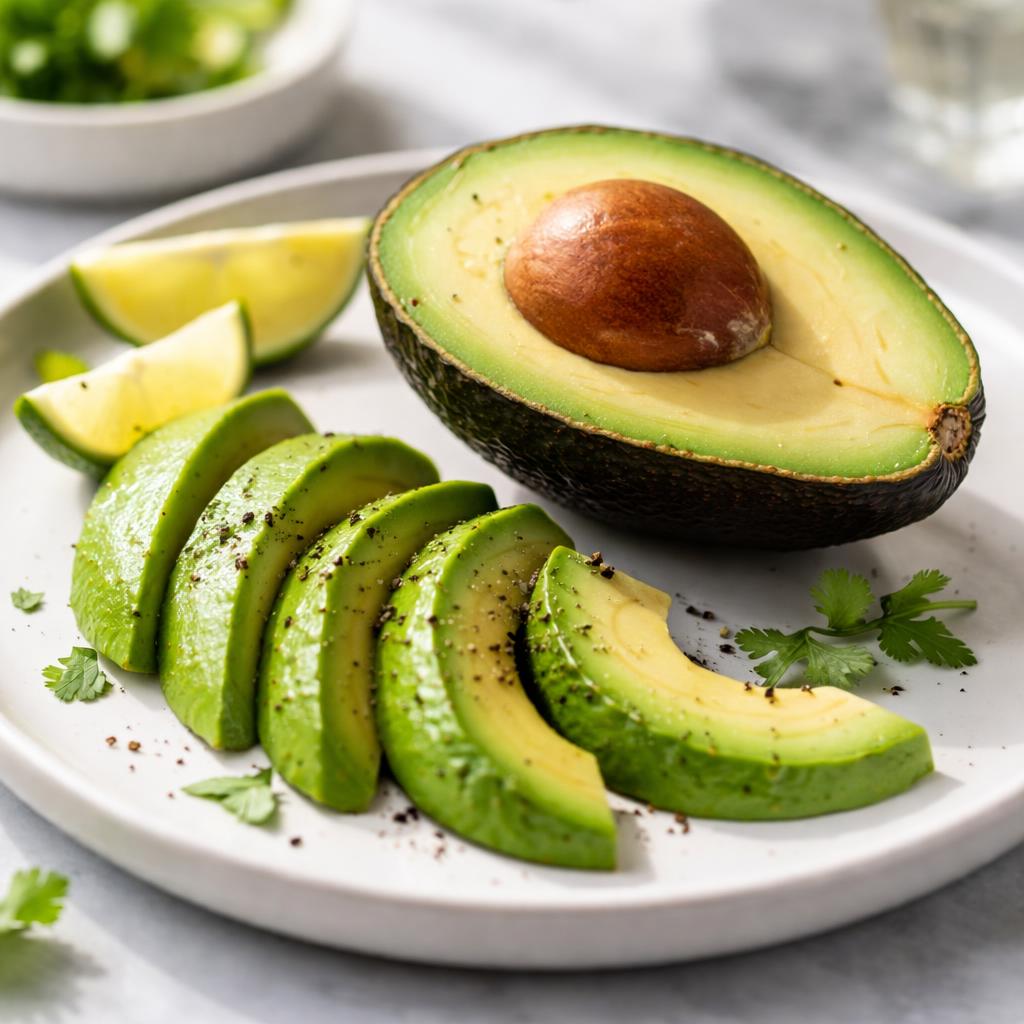
Avocado
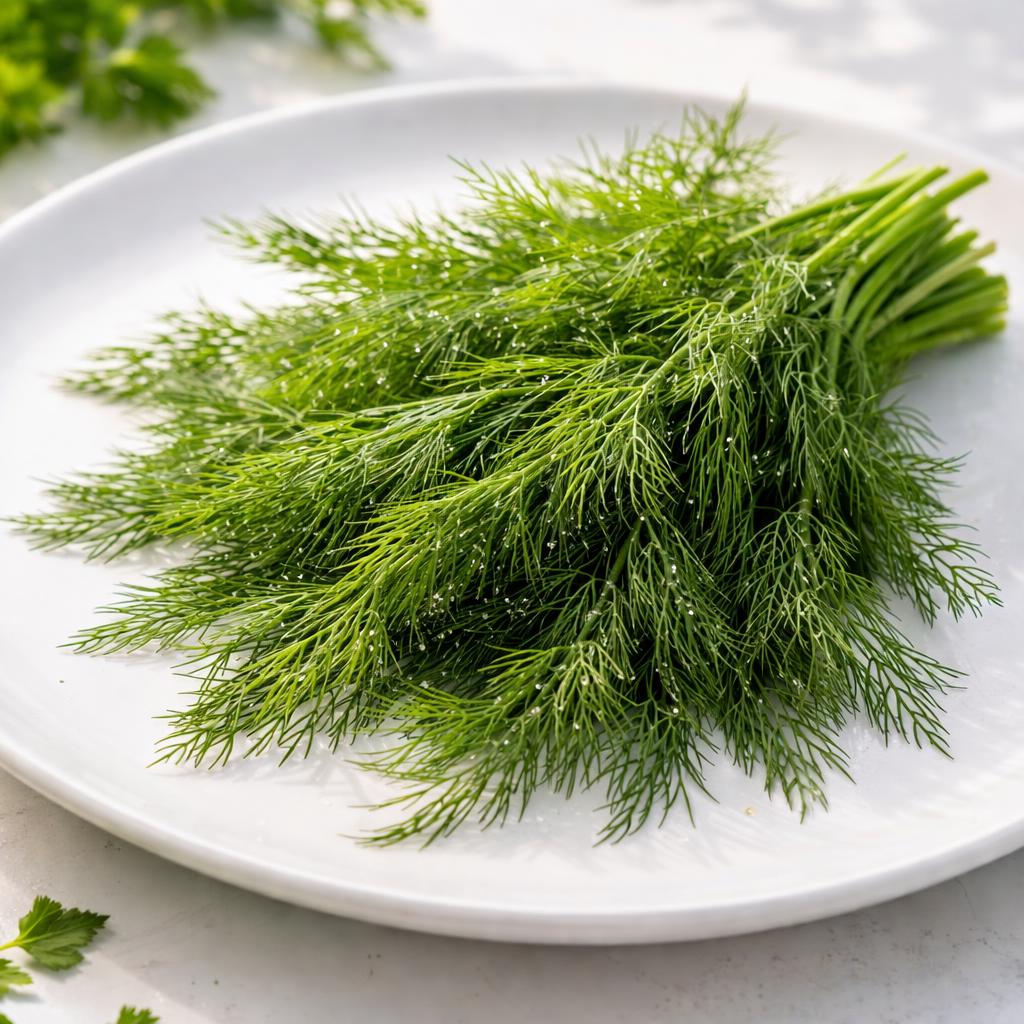
Dill
🎯 Quick Verdict
Avocado is a nutrient-dense fruit known for its healthy fats, fiber, and versatile culinary uses, while dill is a low-calorie herb rich in antioxidants and vitamins. Avocado shines in providing fiber and healthy fats, making it a filling option, whereas dill is a great choice for flavor enhancement and micronutrient content with minimal caloric impact.

Smart Nutrition Tracking with SnapCalorie

📊 Nutritional Comparison
Macronutrients
| Nutrient | Food 1 | Food 2 | Winner |
|---|---|---|---|
| Calories | 160 (per 100g) | 43 (per 100g) | ✓ |
| Protein | 2g (per 100g) | 2g (per 100g) | − |
| Carbs | 9g (per 100g) | 7g (per 100g) | ✓ |
| Fat | 15g (per 100g) | 0.6g (per 100g) | ✓ |
| Fiber | 7g (per 100g) | 3g (per 100g) | ✓ |
Vitamins & Minerals
| Nutrient | Food 1 | Food 2 | Winner |
|---|---|---|---|
| Vitamin D | 0mcg | 0mcg | − |
| Vitamin A | 7mcg | 142mcg | ✓ |
| Vitamin C | 10mg | 85mg | ✓ |
| Calcium | 12mg | 170mg | ✓ |
| Iron | 0.6mg | 6.6mg | ✓ |
🏆 Category Winners
Protein
Both avocado and dill provide 2g of protein per serving.
Fiber
Avocado provides 7g of fiber versus 3g in dill, making it more beneficial for digestive health.
Calories
With only 43 calories per 100g, dill is the lower-calorie option compared to avocado’s 160 calories.
Vitamins
Dill is much richer in Vitamins A, C, Calcium, and Iron compared to avocado.
🥗 Diet Compatibility
Keto
Food 1: Compatible
Food 2: Compatible
Both are low-carb options, but avocado’s high fat content makes it ideal for keto diets.
Vegan
Food 1: Compatible
Food 2: Compatible
Both are plant-based and fit vegan diets seamlessly.
Gluten Free
Food 1: Compatible
Food 2: Compatible
Neither food contains gluten, making both suitable for gluten-free diets.
Paleo
Food 1: Compatible
Food 2: Compatible
Both fit within the whole-food focus of paleo diets.
Low-Carb
Food 1: Compatible
Food 2: Compatible
Both foods have low net carbs, suitable for a low-carb lifestyle.
💪 Health Benefits Comparison
Food 1 Benefits
- Rich in healthy monounsaturated fats for heart health
- High fiber content for digestive health and satiety
- Abundant in potassium, supporting electrolyte balance and reducing blood pressure
- Contains antioxidants like lutein for eye health
Food 2 Benefits
- Rich in Vitamin C to boost immune function
- High in antioxidants with potential anti-inflammatory properties
- Provides significant amounts of calcium and iron for bone health and oxygen transport
- Low calorie and nutrient-dense, aiding weight management
✅ The Bottom Line
Choose avocado if you're looking for a nutrient-dense and filling food that provides healthy fats and fiber. Dill is a better option for adding flavor and boosting micronutrient intake without significantly impacting calories. Both are versatile for specific dietary needs.
Choose Food 1 for: Weight management, keto diets, digestive health
Choose Food 2 for: Flavor enhancement, immune support, low-calorie diets


