Avocado VS Cucumber Slices
A detailed nutritional comparison
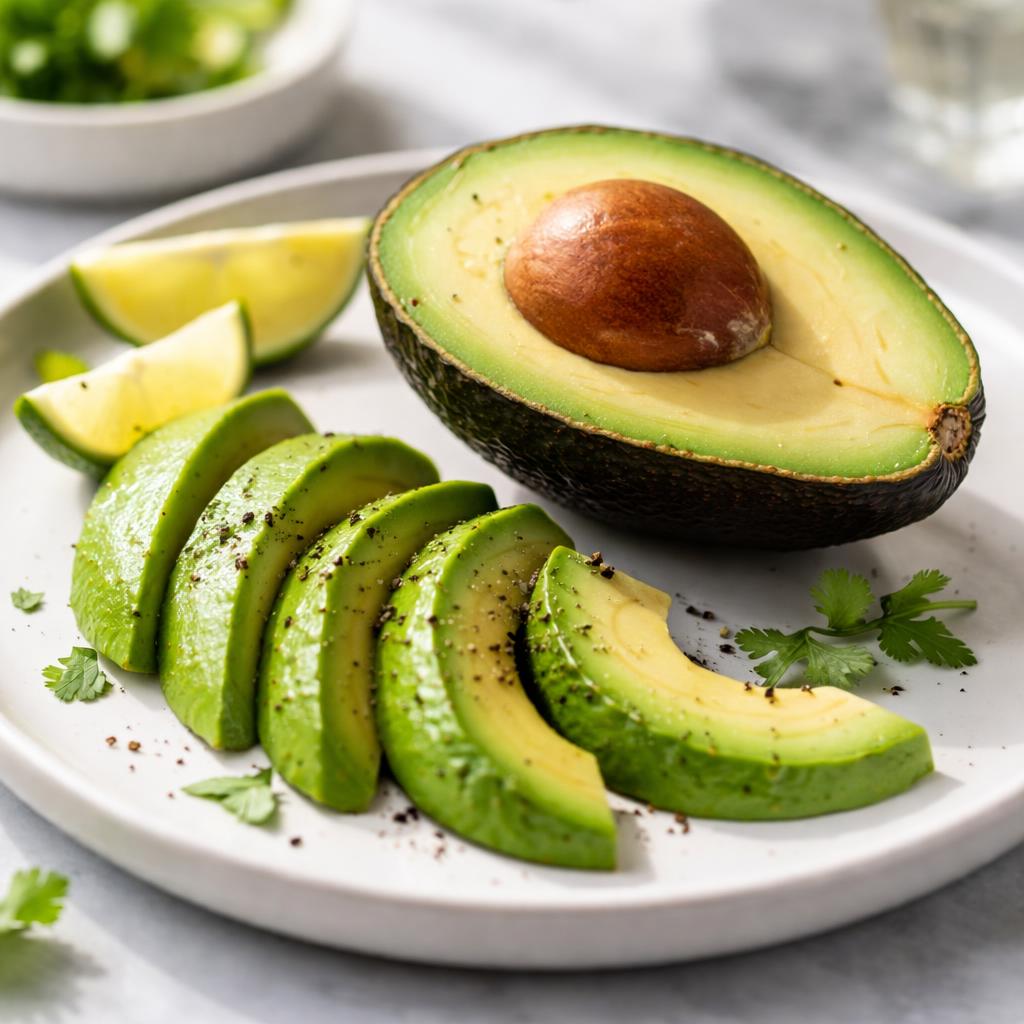
Avocado
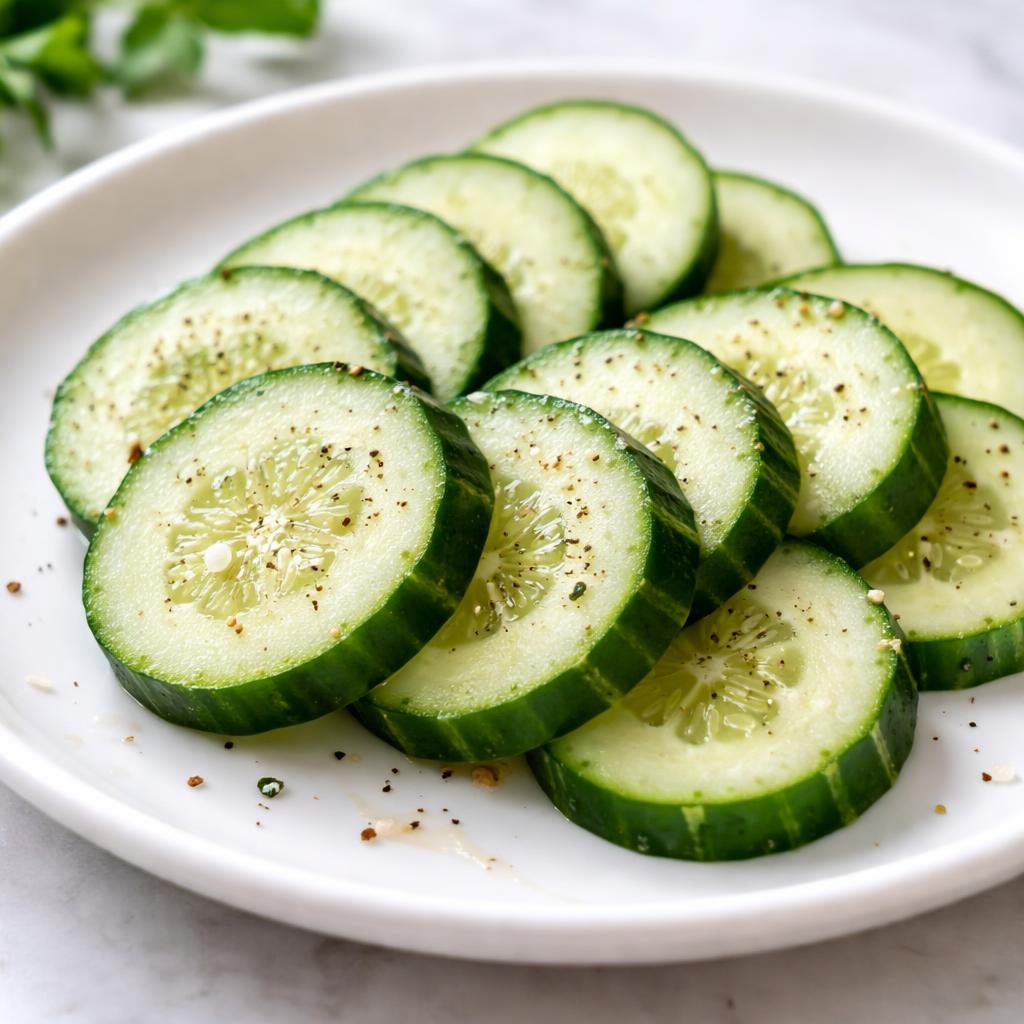
Cucumber Slices
🎯 Quick Verdict
Avocado is nutrient-dense, offering more protein, fiber, and healthy fats compared to cucumber slices. Cucumber is much lower in calories and is hydrating, making it a lighter option for snacks or salads. Avocado is better suited for energy-dense meals or nutrient-packed recipes, while cucumber is ideal for refreshing, low-calorie dishes.

Smart Nutrition Tracking with SnapCalorie

📊 Nutritional Comparison
Macronutrients
| Nutrient | Food 1 | Food 2 | Winner |
|---|---|---|---|
| Calories | 160 | 16 | ✓ |
| Protein | 2g | 0.6g | ✓ |
| Carbs | 9g | 3.8g | ✓ |
| Fat | 15g | 0.1g | ✓ |
| Fiber | 7g | 0.5g | ✓ |
Vitamins & Minerals
| Nutrient | Food 1 | Food 2 | Winner |
|---|---|---|---|
| Vitamin C | 10mg | 3mg | ✓ |
| Potassium | 485mg | 193mg | ✓ |
| Vitamin K | 21mcg | 16mcg | ✓ |
🏆 Category Winners
Protein
Avocado contains over three times more protein compared to cucumber slices.
Fiber
Avocado provides significantly more fiber, supporting digestion.
Calories
Cucumber slices have only 10% of the calories in avocado, ideal for calorie-conscious snacks.
🥗 Diet Compatibility
Keto
Food 1: Compatible
Food 2: Compatible
Both fit into ketogenic diets—avocado for healthy fats and cucumber for minimal carbs.
Vegan
Food 1: Compatible
Food 2: Compatible
Both are plant-based foods.
Gluten Free
Food 1: Compatible
Food 2: Compatible
No gluten content in avocado or cucumber slices.
Paleo
Food 1: Compatible
Food 2: Compatible
Both are unprocessed whole foods supporting paleo diets.
Low Carb
Food 1: Compatible
Food 2: Compatible
Avocado is low-carb, and cucumber has extremely minimal carbs per serving.
💪 Health Benefits Comparison
Food 1 Benefits
- Rich in heart-healthy monounsaturated fats
- High in fiber for digestive health
- Provides potassium for electrolyte balance
- Good source of antioxidants and nutrients supporting skin health
Food 2 Benefits
- Low in calories for weight management
- Hydrating due to high water content
- Contains antioxidants that combat oxidative stress
- Good source of Vitamin K for bone health
✅ The Bottom Line
Avocado is superior for nutrient density, offering healthy fats, fiber, and essential vitamins, making it ideal for energy-dense meals or post-workout recovery. Cucumber slices are better for hydration and ultra-low-calorie snacking, refreshing salads, or light dishes. Choose avocado for robust nutritional value and cucumber for simplicity and low-calorie enjoyment.
Choose Food 1 for: Energy-dense meals, post-workout recovery, heart-healthy recipes
Choose Food 2 for: Low-calorie snacks, hydrating dishes, salads


