Apple VS Pork
A detailed nutritional comparison
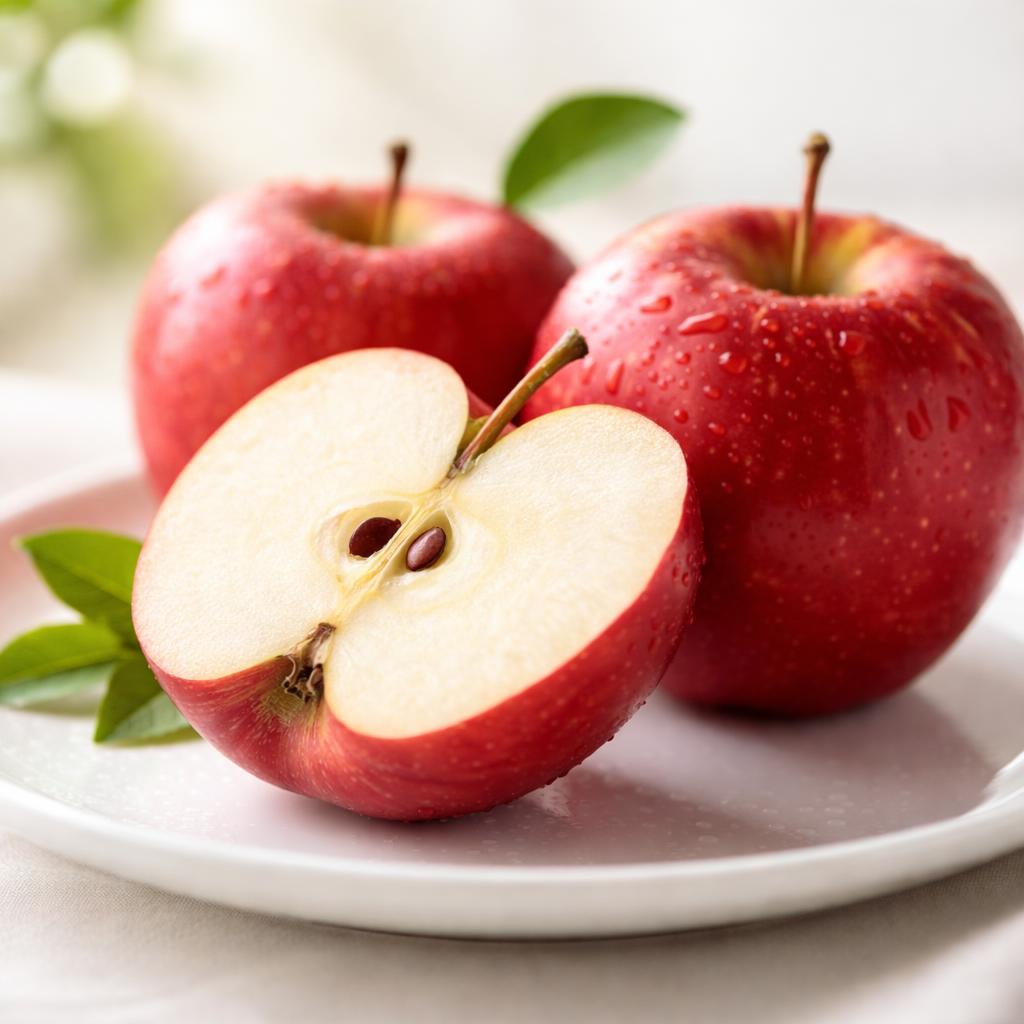
Apple
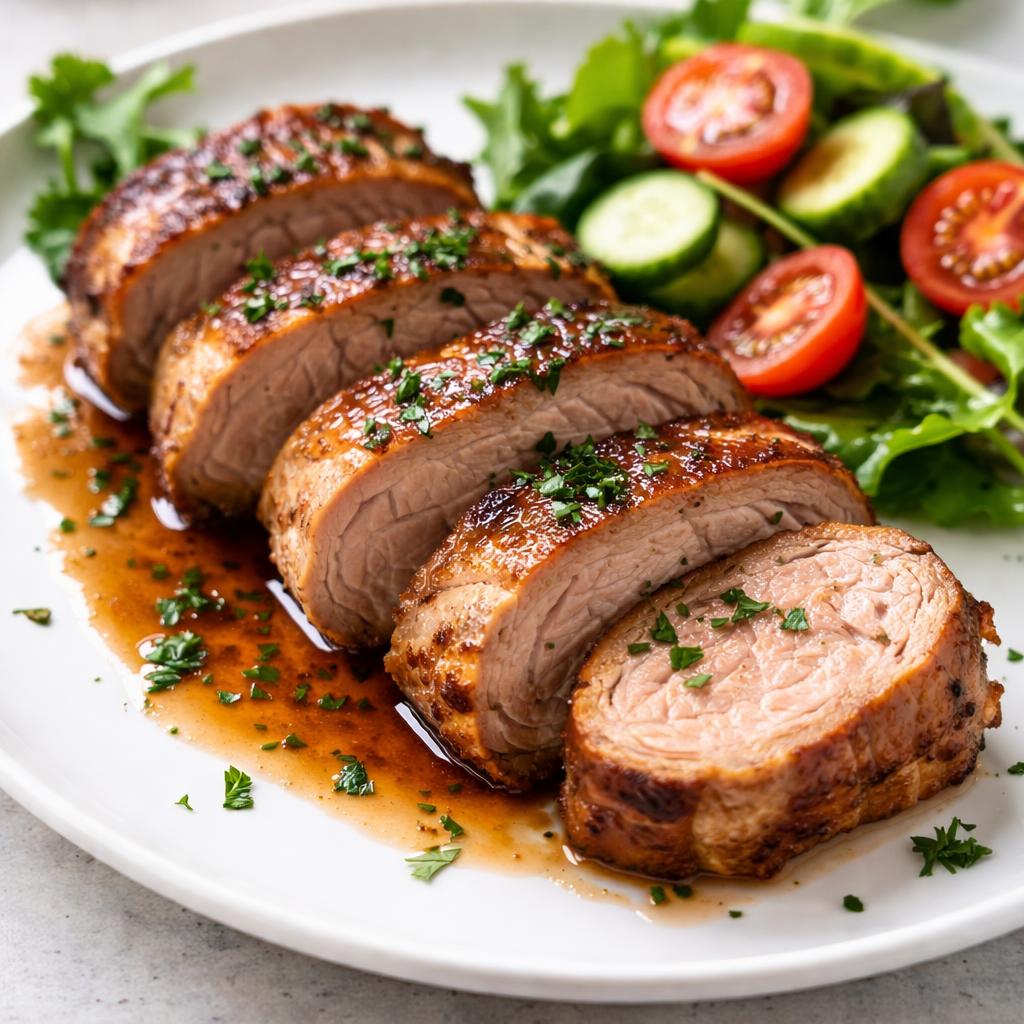
Pork
🎯 Quick Verdict
Apples and pork are vastly different foods with distinct nutritional profiles. Apples provide fiber, vitamin C, and fewer calories, making them ideal for snacking and digestion support. Pork, on the other hand, is rich in protein, iron, and vitamin B12, making it suitable for muscle building and energy production. Choose based on your dietary goals: weight maintenance vs protein intake.

Smart Nutrition Tracking with SnapCalorie

📊 Nutritional Comparison
Macronutrients
| Nutrient | Food 1 | Food 2 | Winner |
|---|---|---|---|
| Calories | 95 | 242 | ✓ |
| Protein | 0.5g | 26g | ✓ |
| Carbs | 25g | 0g | ✓ |
| Fat | 0.3g | 14g | ✓ |
| Fiber | 4g | 0g | ✓ |
Vitamins & Minerals
| Nutrient | Food 1 | Food 2 | Winner |
|---|---|---|---|
| Vitamin C | 8.4mg | 0mg | ✓ |
| Vitamin B12 | 0mcg | 0.6mcg | ✓ |
| Iron | 0.2mg | 1.1mg | ✓ |
🏆 Category Winners
Protein
Pork provides 26g of protein per serving compared to 0.5g in apples.
Fiber
Apples contain 4g of fiber per serving, while pork has none.
Calories
Apples have significantly fewer calories at only 95 per serving compared to pork's 242 calories.
🥗 Diet Compatibility
Keto
Food 1: Not Compatible
Food 2: Compatible
Apples are high-carb, whereas pork fits within keto guidelines.
Vegan
Food 1: Compatible
Food 2: Not Compatible
Apples are plant-based, while pork is an animal product.
Gluten Free
Food 1: Compatible
Food 2: Compatible
Neither apples nor pork contain gluten.
Paleo
Food 1: Compatible
Food 2: Compatible
Both foods are unprocessed and paleo-friendly.
Low-Carb
Food 1: Not Compatible
Food 2: Compatible
Apples contain 25g of carbohydrates, while pork contains none.
💪 Health Benefits Comparison
Food 1 Benefits
- Rich in fiber to support digestion and gut health
- Good source of vitamin C for immune function
- Low in calories, ideal for weight management
Food 2 Benefits
- Excellent source of high-quality protein for muscle development
- Rich in vitamin B12 for energy and red blood cell production
- Contains iron to prevent anemia and support oxygen transport
✅ The Bottom Line
Apples are best for snacking, hydration, and supporting digestion, while pork is more suited for protein-rich meals that fuel muscle growth and provide sustained energy. Choose apples for a low-calorie, nutrient-dense option, and pork for a high-protein, satiating meal.
Choose Food 1 for: Snacking, weight management, immune support
Choose Food 2 for: Muscle building, keto diets, iron supplementation


