Apple VS Mandarin Oranges
A detailed nutritional comparison
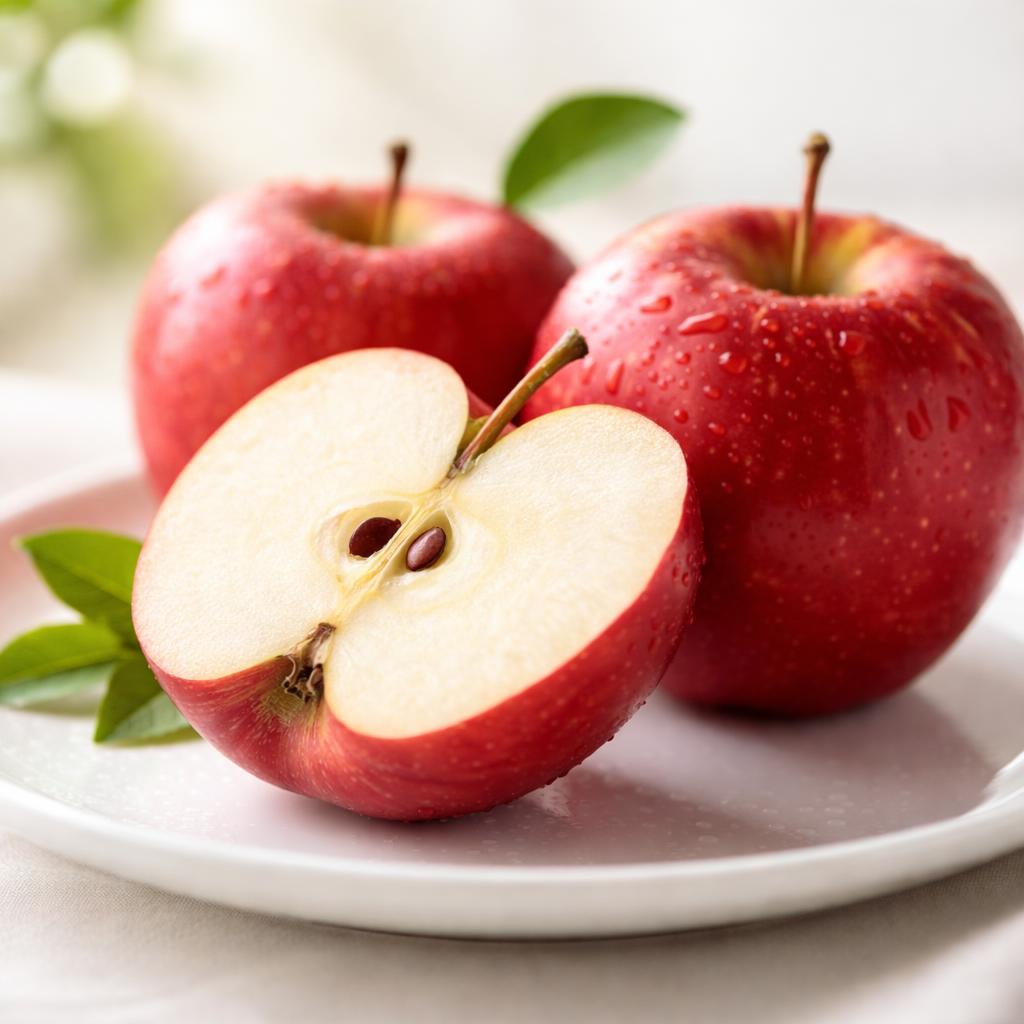
Apple

Mandarin Oranges
🎯 Quick Verdict
Apples and mandarin oranges are both nutritious fruits with distinct benefits. Apples offer more dietary fiber, making them better for digestion, while mandarin oranges provide more vitamin C, supporting immune health. Both are low in calories and ideal for snacking or adding to meals for natural sweetness.

Smart Nutrition Tracking with SnapCalorie

📊 Nutritional Comparison
Macronutrients
| Nutrient | Food 1 | Food 2 | Winner |
|---|---|---|---|
| Calories | 52 | 53 | − |
| Protein | 0.3g | 0.8g | − |
| Carbs | 14g | 13g | ✓ |
| Fat | 0.2g | 0.3g | − |
| Fiber | 2.4g | 1.8g | ✓ |
Vitamins & Minerals
| Nutrient | Food 1 | Food 2 | Winner |
|---|---|---|---|
| Vitamin C | 4.6mg | 26mg | ✓ |
| Vitamin A | 8mcg | 34mcg | ✓ |
| Potassium | 107mg | 166mg | ✓ |
🏆 Category Winners
Protein
Both have minimal protein content, below 1g per serving.
Fiber
Apples provide 33% more fiber per serving compared to mandarin oranges.
Calories
Both fruits are low in calories, perfect for weight management.
Vitamins
Mandarin oranges are significantly higher in vitamin C, vitamin A, and potassium.
🥗 Diet Compatibility
Keto
Food 1: Not Compatible
Food 2: Not Compatible
Both are too high in carbs for a keto diet.
Vegan
Food 1: Compatible
Food 2: Compatible
Both are plant-based and vegan-friendly fruits.
Gluten Free
Food 1: Compatible
Food 2: Compatible
Both fruits are naturally gluten-free.
Paleo
Food 1: Compatible
Food 2: Compatible
Both align with paleo diet guidelines as whole, unprocessed foods.
Low Carb
Food 1: Not Compatible
Food 2: Not Compatible
Both contain over 13g of carbs per serving, which is too high for strict low-carb diets.
💪 Health Benefits Comparison
Food 1 Benefits
- High fiber promotes digestion and gut health
- Provides antioxidants that help protect cells from damage
- Contains potassium which supports heart function
Food 2 Benefits
- Rich in vitamin C, boosting immune health and collagen formation
- Contains vitamin A for eye and skin health
- Potassium helps regulate blood pressure and fluid balance
✅ The Bottom Line
Apples are ideal for those looking for more fiber and a mild, versatile fruit, while mandarin oranges pack a punch of vitamin C and are slightly sweeter. Choose apples for feelings of fullness and digestion support, and mandarin oranges for immune health and a refreshing treat.
Choose Food 1 for: Digestive health, weight management, fiber intake
Choose Food 2 for: Immune health, hydration, vitamin boost


