Apple VS Jelly
A detailed nutritional comparison
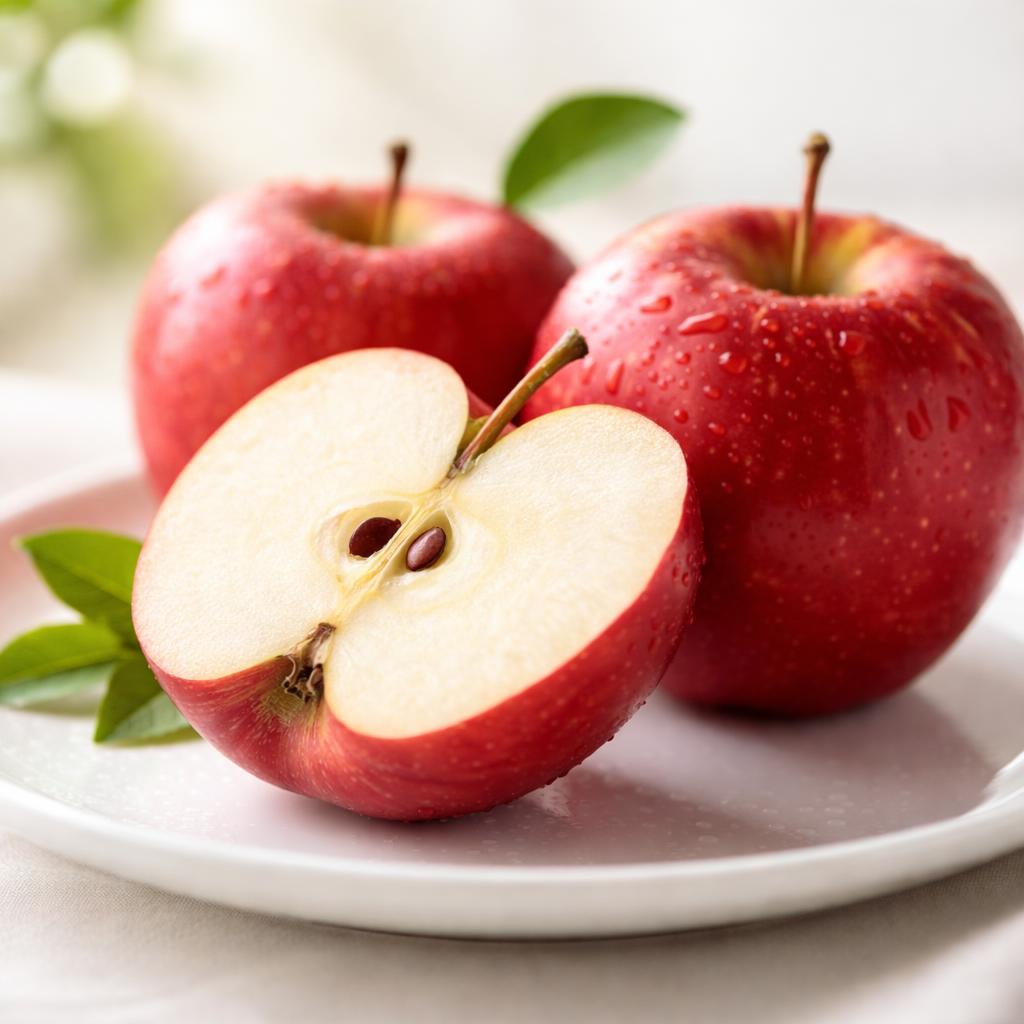
Apple

Jelly
🎯 Quick Verdict
Apples and jelly have vastly different nutritional profiles. Apples are nutrient-dense, offering natural fiber, vitamins, and fewer calories, while jelly is primarily sugar-based, containing minimal nutrients. Choose apples for a wholesome snack, and jelly as an occasional treat or condiment.

Smart Nutrition Tracking with SnapCalorie

📊 Nutritional Comparison
Macronutrients
| Nutrient | Food 1 | Food 2 | Winner |
|---|---|---|---|
| Calories | 95 | 50 (per tablespoon) | ✓ |
| Protein | 0.5g | 0.5g | − |
| Carbs | 25g | 13g (per tablespoon, mostly sugar) | − |
| Fat | 0.3g | 0g | ✓ |
| Fiber | 4g | 0g | ✓ |
Vitamins & Minerals
| Nutrient | Food 1 | Food 2 | Winner |
|---|---|---|---|
| Vitamin C | 8.4mg | 0mg | ✓ |
| Potassium | 195mg | 2mg | ✓ |
| Calcium | 11mg | 0mg | ✓ |
| Iron | 0.2mg | 0mg | ✓ |
🏆 Category Winners
Protein
Both foods provide the same negligible amount of protein (0.5g).
Fiber
Apples contain 4g of fiber per serving, while jelly has none.
Calories
Apples have fewer calories overall when compared to multiple servings of jelly as typically consumed.
🥗 Diet Compatibility
Keto
Food 1: Not Compatible
Food 2: Not Compatible
Both foods are too high in carbs for a keto diet.
Vegan
Food 1: Compatible
Food 2: Compatible
Both foods are plant-based and vegan-friendly.
Gluten Free
Food 1: Compatible
Food 2: Compatible
Neither contains gluten.
Paleo
Food 1: Compatible
Food 2: Not Compatible
Apples are allowed on a paleo diet, but jelly is excluded due to high sugar processing.
Low Carb
Food 1: Not Compatible
Food 2: Not Compatible
Both foods are moderate to high in carbohydrates.
💪 Health Benefits Comparison
Food 1 Benefits
- Excellent source of fiber for healthy digestion.
- Provides natural sugars for sustained energy.
- High in vitamin C to support immune health.
- Contains antioxidants that promote cellular health.
Food 2 Benefits
- Quick source of energy from simple sugars.
- Works as a sweet topping for variety in meals.
- Minimal fat content.
✅ The Bottom Line
Apples are a healthier, nutrient-dense choice over jelly, particularly for snacking, promoting digestion, and energizing without spikes in blood sugar. Jelly may suit occasional use as a condiment or dessert ingredient but offers negligible nutritional benefits.
Choose Food 1 for: Wholesome snacks, fiber-rich diets, vitamins and antioxidants
Choose Food 2 for: Occasional sweet treat or condiment, immediate energy pick-me-up


