Apple VS Grilled Pork
A detailed nutritional comparison
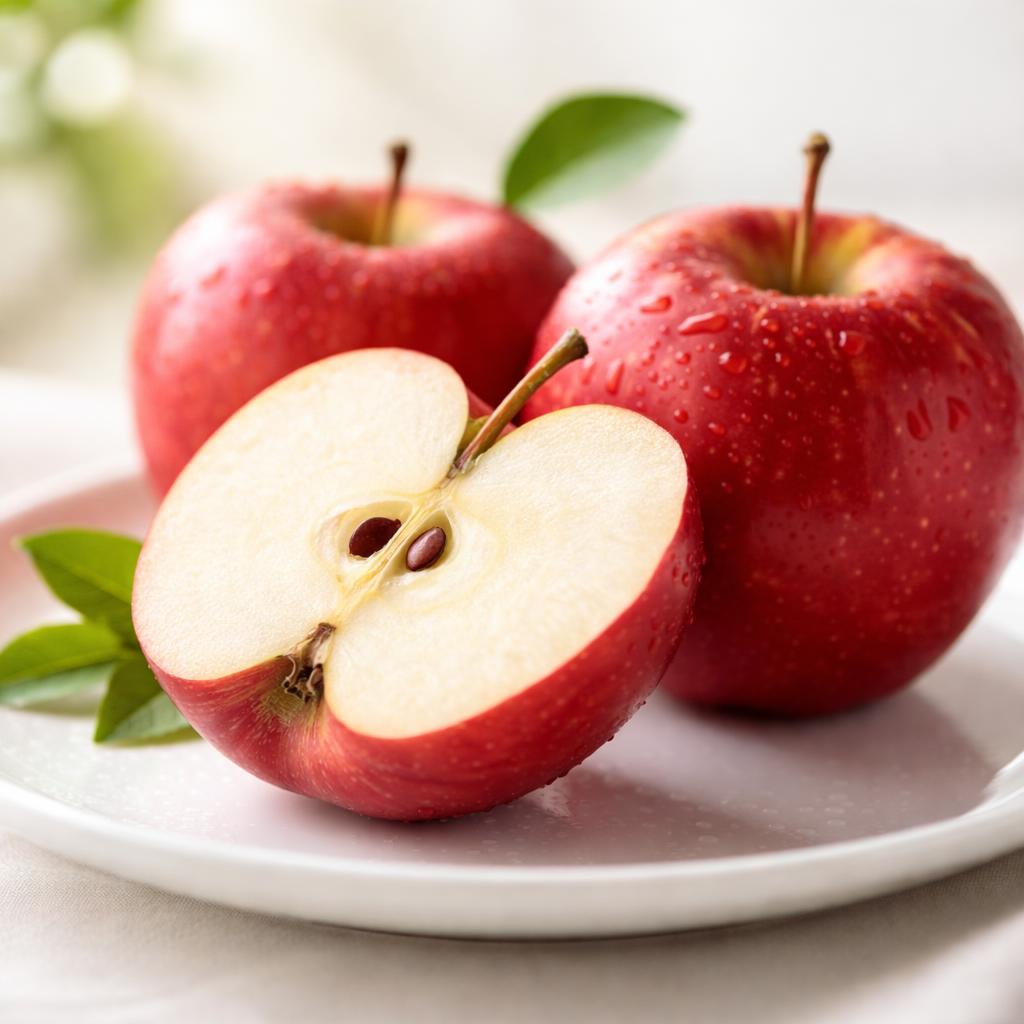
Apple
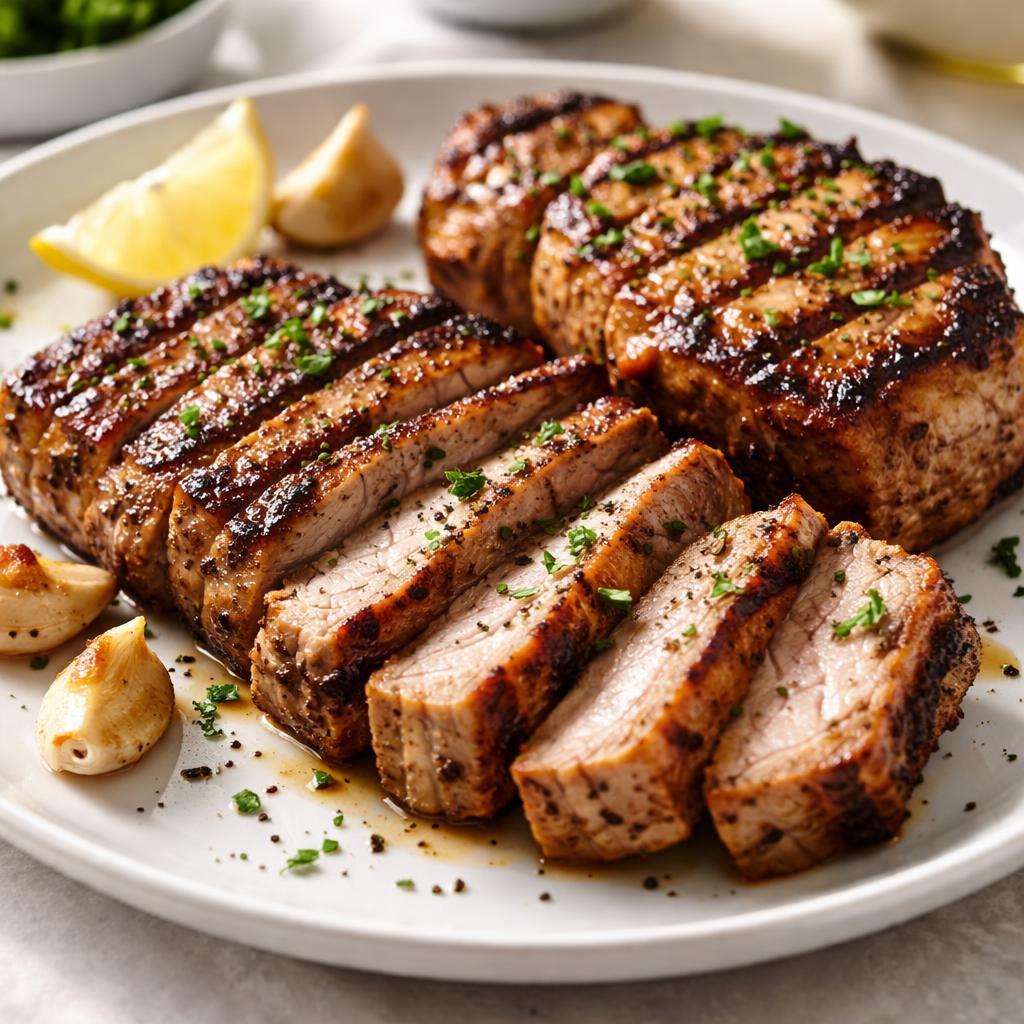
Grilled Pork
🎯 Quick Verdict
Apples are low-calorie, high-fiber fruits that provide key vitamins for general health, while grilled pork is rich in protein and essential minerals, making it ideal for muscle building and recovery. These foods serve very different nutritional needs: apples are better for light snacking or digestion, and pork is better suited for protein-rich meals or high-energy diets.

Smart Nutrition Tracking with SnapCalorie

📊 Nutritional Comparison
Macronutrients
| Nutrient | Food 1 | Food 2 | Winner |
|---|---|---|---|
| Calories | 95 | 200 | ✓ |
| Protein | 0.5g | 26g | ✓ |
| Carbs | 25g | 0g | ✓ |
| Fat | 0.3g | 9g | ✓ |
| Fiber | 4g | 0g | ✓ |
Vitamins & Minerals
| Nutrient | Food 1 | Food 2 | Winner |
|---|---|---|---|
| Vitamin C | 8.4mg | 0mg | ✓ |
| Iron | 0.2mg | 1.1mg | ✓ |
| Potassium | 195mg | 350mg | ✓ |
| Vitamin B6 | 0.041mg | 0.3mg | ✓ |
🏆 Category Winners
Protein
Grilled pork provides 26g of protein per serving compared to just 0.5g in apples.
Fiber
Apples contain 4g of fiber per serving, while grilled pork has none.
Calories
Apples are a low-calorie option with just 95 calories per serving.
Vitamins
Apples are rich in Vitamin C, while grilled pork has none.
🥗 Diet Compatibility
Keto
Food 1: Not Compatible
Food 2: Compatible
Apples are high in carbs, while grilled pork is low-carb.
Vegan
Food 1: Compatible
Food 2: Not Compatible
Apples are plant-based; grilled pork is animal-based.
Gluten Free
Food 1: Compatible
Food 2: Compatible
Neither contains gluten.
Paleo
Food 1: Compatible
Food 2: Compatible
Both are whole, unprocessed foods that fit paleo diets.
Low-Carb
Food 1: Not Compatible
Food 2: Compatible
Apples contain 25g of carbs per serving, making them unsuitable for low-carb diets.
💪 Health Benefits Comparison
Food 1 Benefits
- Rich in dietary fiber to support digestion
- High in Vitamin C for immune health
- Provides antioxidants like flavonoids to promote heart health
Food 2 Benefits
- High-quality protein for muscle growth and recovery
- Provides Vitamin B6, supporting brain and energy metabolism
- Good source of iron and potassium for enriched blood flow and electrolyte balance
✅ The Bottom Line
Choose apples for low-calorie snacks, fiber-rich digestion support, or vitamin C boosts, especially if you're on a plant-based or high-carb diet. Opt for grilled pork if you need a high-protein, low-carb option for muscle recovery, keto, or paleo meals. Both foods serve distinct dietary purposes and can complement each other in balanced meals.
Choose Food 1 for: Light snacking, improving digestion, immune health
Choose Food 2 for: Protein-rich meals, muscle recovery, low-carb diets


