Apple VS Green Apple
A detailed nutritional comparison
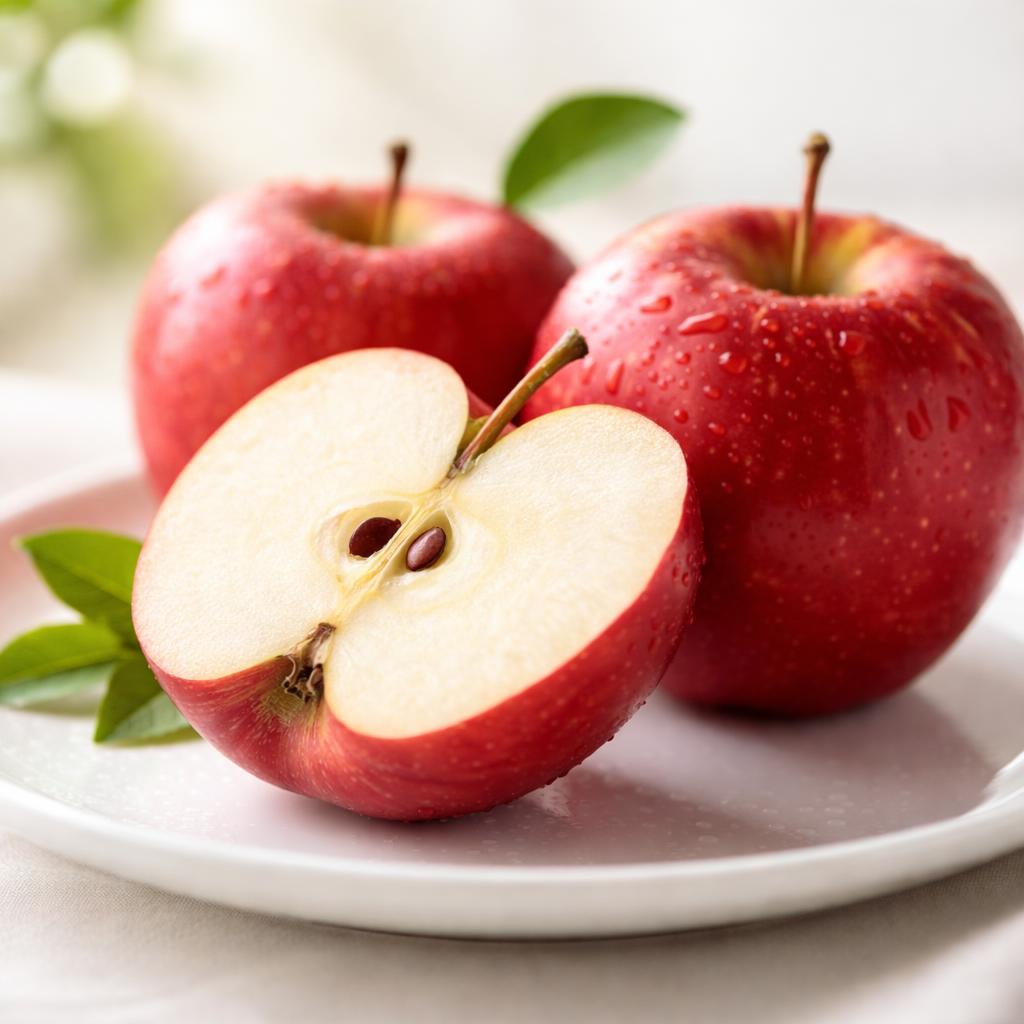
Apple
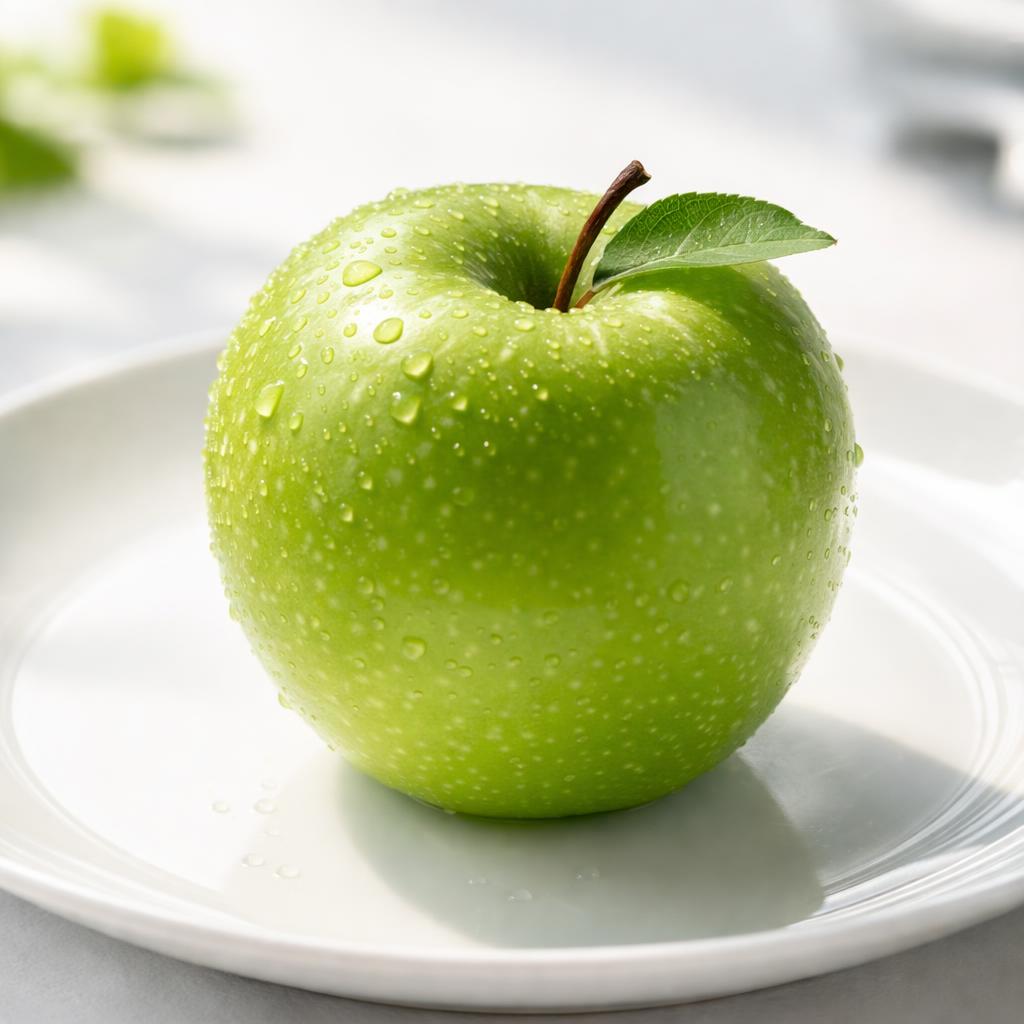
Green Apple
🎯 Quick Verdict
Both red apple and green apple are nutritionally similar, with slight variations. Green apples tend to have marginally higher fiber and fewer sugars, making them better for blood sugar control. Red apples are slightly sweeter and hence may be preferred for snacks or desserts. Both are excellent sources of vitamins and antioxidants, suitable for various diets like vegan and gluten-free plans.

Smart Nutrition Tracking with SnapCalorie

📊 Nutritional Comparison
Macronutrients
| Nutrient | Food 1 | Food 2 | Winner |
|---|---|---|---|
| Calories | 95 | 92 | − |
| Protein | 0.5g | 0.5g | − |
| Carbs | 25g | 22g | − |
| Fat | 0.3g | 0.2g | − |
| Fiber | 4g | 4.6g | − |
Vitamins & Minerals
| Nutrient | Food 1 | Food 2 | Winner |
|---|---|---|---|
| Vitamin C | 8.4mg | 9mg | − |
| Potassium | 195mg | 200mg | − |
| Vitamin A | 2mcg | 2mcg | − |
🏆 Category Winners
Protein
Both apples have only trace amounts of protein (0.5g).
Fiber
Green apples contain slightly more fiber at 4.6g per medium serving compared to 4g for red apples.
Calories
The calorie difference is negligible: 95 vs 92.
🥗 Diet Compatibility
Keto
Food 1: Not Compatible
Food 2: Not Compatible
Both are relatively high in carbs (22-25g per serving).
Vegan
Food 1: Compatible
Food 2: Compatible
Apples are plant-based and naturally vegan.
Gluten Free
Food 1: Compatible
Food 2: Compatible
Apples are naturally gluten-free.
Paleo
Food 1: Compatible
Food 2: Compatible
Both align with paleo principles.
Low Carb
Food 1: Not Compatible
Food 2: Not Compatible
The carbohydrate content (22-25g per serving) is too high for strict low-carb diets.
💪 Health Benefits Comparison
Food 1 Benefits
- Rich in antioxidants like quercetin and polyphenols for reducing inflammation
- A good source of vitamin C for immune system support
- Contains fiber for improved digestion
Food 2 Benefits
- Higher fiber content benefits gut health and may aid in satiety
- Lower sugar content may better suit blood sugar control
- Provides a slight edge in antioxidant activity due to different phytochemical profiles
✅ The Bottom Line
Both red and green apples are excellent choices for snacking or adding to meals, offering very similar nutrition with slight differences. Choose green apples if you prioritize fiber and lower sugar content; opt for red apples if you prefer sweetness.
Choose Food 1 for: Sweet cravings, casual snacks, desserts
Choose Food 2 for: Gut health, blood sugar management, low-sugar diets


