Apple VS French Toast
A detailed nutritional comparison
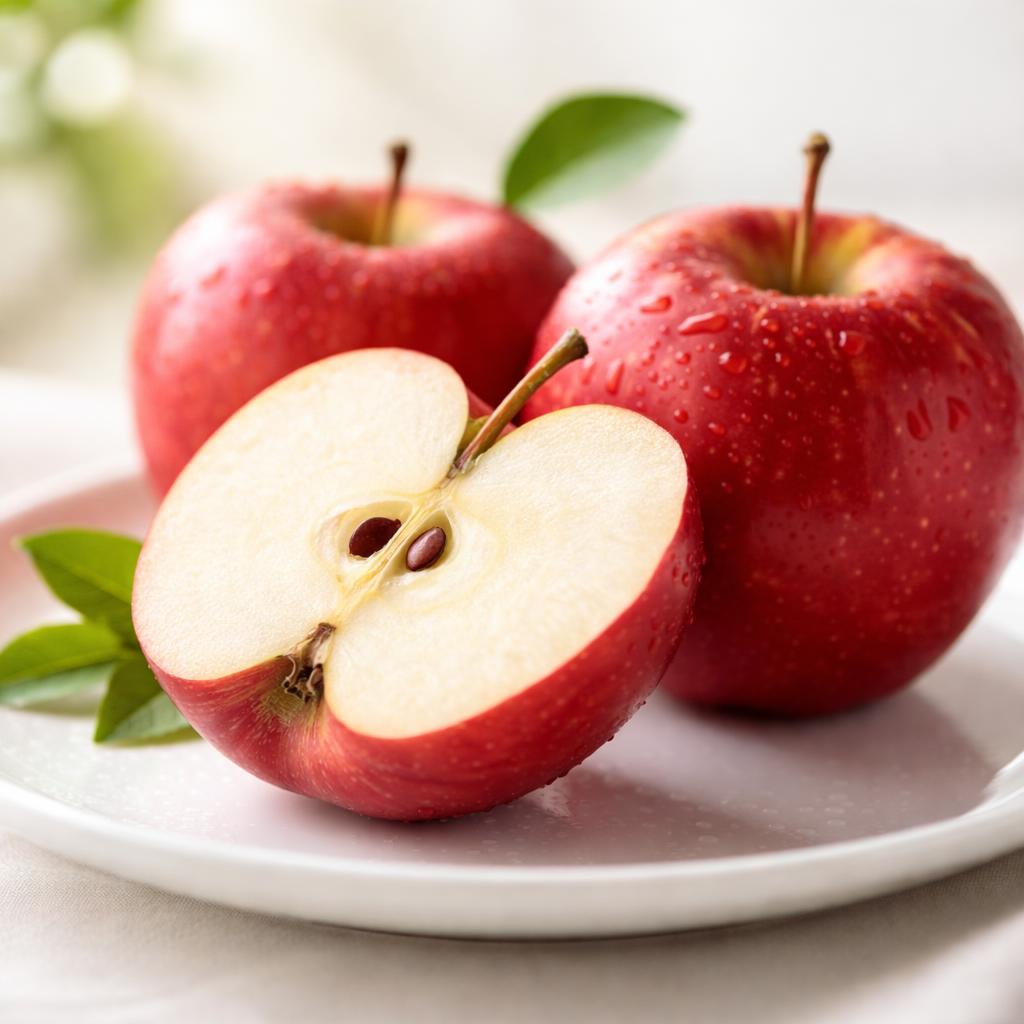
Apple

French Toast
🎯 Quick Verdict
Apples provide fewer calories, more fiber, and are naturally free of added sugars, making them ideal for snacks and weight management. French toast is higher in protein and offers more vitamins and minerals, suitable for a hearty breakfast or post-workout recovery. Both serve distinct dietary purposes depending on individual needs.

Smart Nutrition Tracking with SnapCalorie

📊 Nutritional Comparison
Macronutrients
| Nutrient | Food 1 | Food 2 | Winner |
|---|---|---|---|
| Calories | 95 | 220 | ✓ |
| Protein | 0.5g | 9g | ✓ |
| Carbs | 25g | 30g | ✓ |
| Fat | 0.3g | 10g | ✓ |
| Fiber | 4g | 1g | ✓ |
Vitamins & Minerals
| Nutrient | Food 1 | Food 2 | Winner |
|---|---|---|---|
| Vitamin D | 0mcg | 2mcg | ✓ |
| Calcium | 6mg | 100mg | ✓ |
| Iron | 0.12mg | 1mg | ✓ |
🏆 Category Winners
Protein
French toast contains significantly more protein due to eggs and milk.
Fiber
Apples provide four times the amount of fiber per serving.
Calories
Apples have 57% fewer calories compared to French toast.
🥗 Diet Compatibility
Keto
Food 1: Not Compatible
Food 2: Not Compatible
Both foods are high in carbohydrates.
Vegan
Food 1: Compatible
Food 2: Not Compatible
French toast contains eggs and milk.
Gluten Free
Food 1: Compatible
Food 2: Not Compatible
French toast is made with bread that contains gluten.
Paleo
Food 1: Compatible
Food 2: Not Compatible
Apples fit within paleo diets; French toast includes processed ingredients.
Low Carb
Food 1: Not Compatible
Food 2: Not Compatible
Both foods exceed typical low-carb limits (below 20-50g daily).
💪 Health Benefits Comparison
Food 1 Benefits
- High in fiber for improved digestion
- Rich in antioxidants for cell protection
- Low in calories, ideal for weight management
- Contains vitamin C for immune function
Food 2 Benefits
- High in protein for muscle recovery and sustenance
- Source of calcium for bone health
- Good energy source for active lifestyles
- Provides vitamin D for immune and bone health
✅ The Bottom Line
Apples are a lower-calorie, high-fiber option ideal for snacking, weight loss, and maintaining digestive health. French toast is a more nutrient-dense choice with higher protein and calcium, suitable for energy needs and post-workout recovery. Choose apples for light snacking and French toast for a heavier, more satisfying breakfast option.
Choose Food 1 for: Weight management, quick snacks, digestion support
Choose Food 2 for: Breakfast, post-workout recovery, protein-rich diets


