Apple VS Dumplings
A detailed nutritional comparison
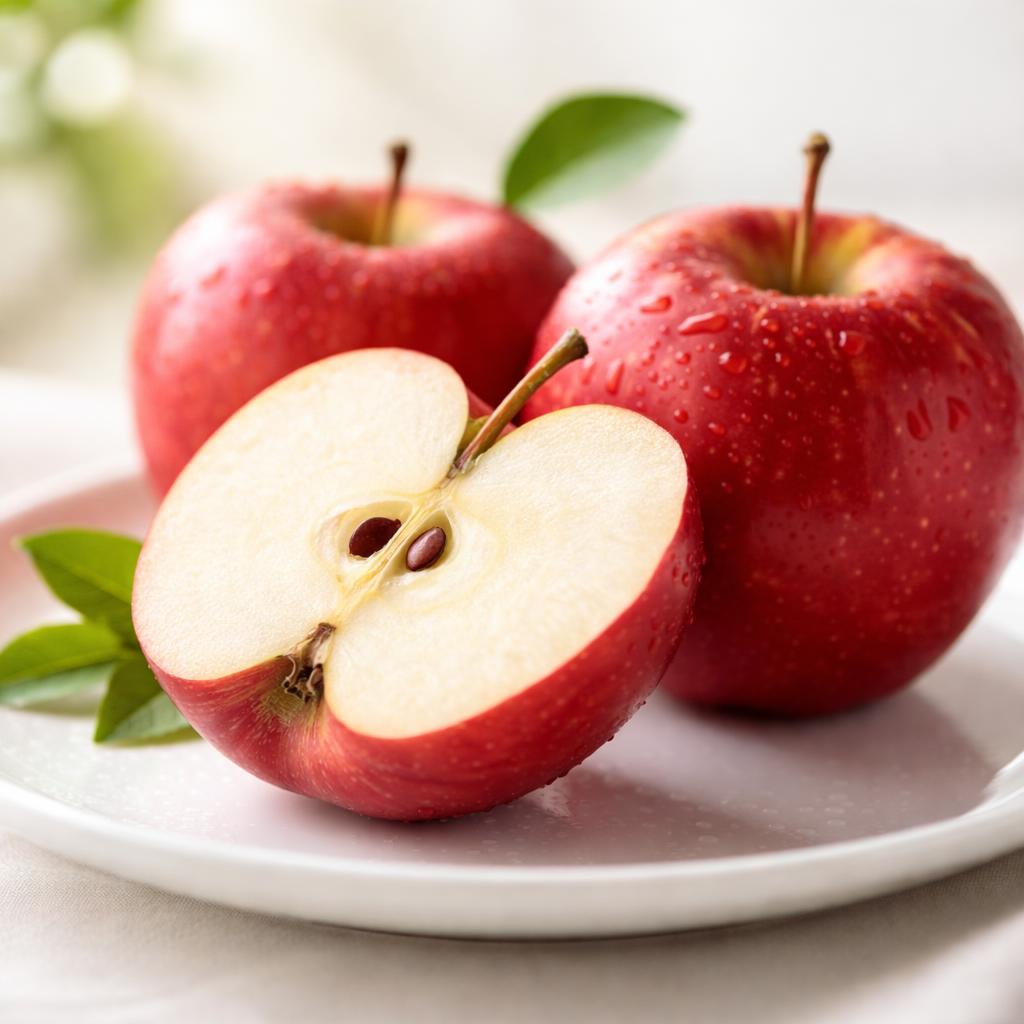
Apple
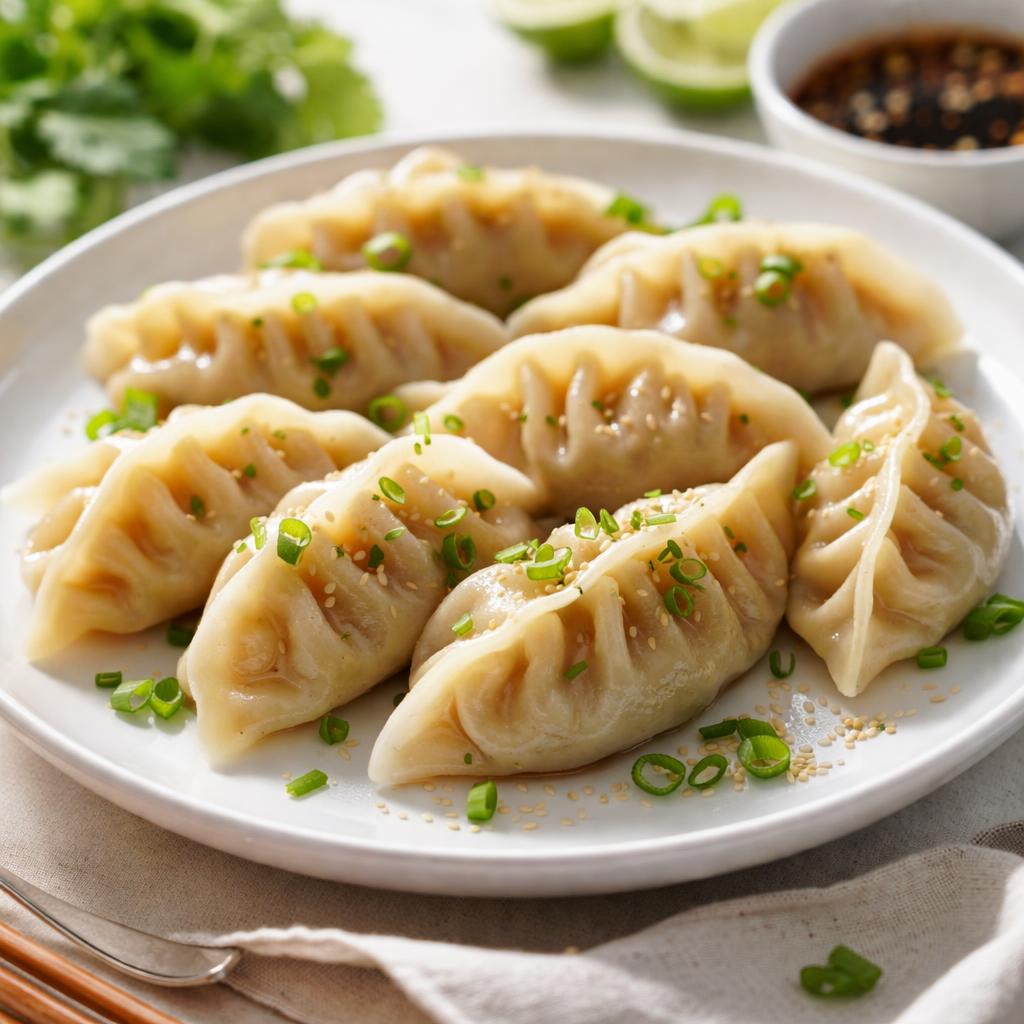
Dumplings
🎯 Quick Verdict
Apples are lower in calories, higher in fiber, and suitable for most dietary patterns, making them a versatile, healthy snack. Dumplings, while higher in protein, are also more calorie-dense and contain added fats and carbs, making them better for energy-dense meals rather than weight control diets.

Smart Nutrition Tracking with SnapCalorie

📊 Nutritional Comparison
Macronutrients
| Nutrient | Food 1 | Food 2 | Winner |
|---|---|---|---|
| Calories | 95 | 210 | ✓ |
| Protein | 0.5g | 7g | ✓ |
| Carbs | 25g | 30g | ✓ |
| Fat | 0.3g | 8g | ✓ |
| Fiber | 4g | 1g | ✓ |
Vitamins & Minerals
| Nutrient | Food 1 | Food 2 | Winner |
|---|---|---|---|
| Vitamin C | 8mg | 1mg | ✓ |
| Vitamin D | 0mcg | 0mcg | − |
| Calcium | 11mg | 20mg | ✓ |
| Iron | 0.2mg | 1mg | ✓ |
🏆 Category Winners
Protein
Dumplings contain 14x more protein per serving.
Fiber
Apples provide 4g of fiber, 4x more than dumplings.
Calories
Apples have less than half the calories of dumplings.
Vitamins
Apples are notably richer in Vitamin C, essential for immunity and skin health.
🥗 Diet Compatibility
Keto
Food 1: Not Compatible
Food 2: Not Compatible
Both are relatively high in carbs.
Vegan
Food 1: Compatible
Food 2: Depends on filling
Apples are naturally vegan, dumplings can vary based on preparation.
Gluten Free
Food 1: Compatible
Food 2: Not Compatible
Apples are naturally gluten-free, but dumplings are typically made with wheat-based dough.
Paleo
Food 1: Compatible
Food 2: Not Compatible
Apples fit paleo guidelines, while dumplings do not due to processed ingredients.
Low-Carb
Food 1: Not Compatible
Food 2: Not Compatible
Both foods exceed typical daily carb allowances for low-carb diets.
💪 Health Benefits Comparison
Food 1 Benefits
- Rich in dietary fiber for digestion and gut health
- High in Vitamin C for immunity and skin health
- Low-calorie snack for weight management
- Contains antioxidants for reducing inflammation
Food 2 Benefits
- Provides protein for muscle maintenance and satiety
- Energy-dense food suitable for high energy needs
- Contains iron and calcium for bone and blood health
- May provide cultural culinary benefits and comfort
✅ The Bottom Line
Apples are a nutrient-dense snack that aligns well with most diets, ideal for weight management, digestion, and immunity support. Dumplings, while less versatile, are a richer source of protein and energy, suitable for satisfying hunger and as part of indulgent meals.
Choose Food 1 for: Healthy snacking, digestion support, low-calorie diets
Choose Food 2 for: High-energy meals, protein-rich diets, cultural comfort foods


