Apple VS Date
A detailed nutritional comparison
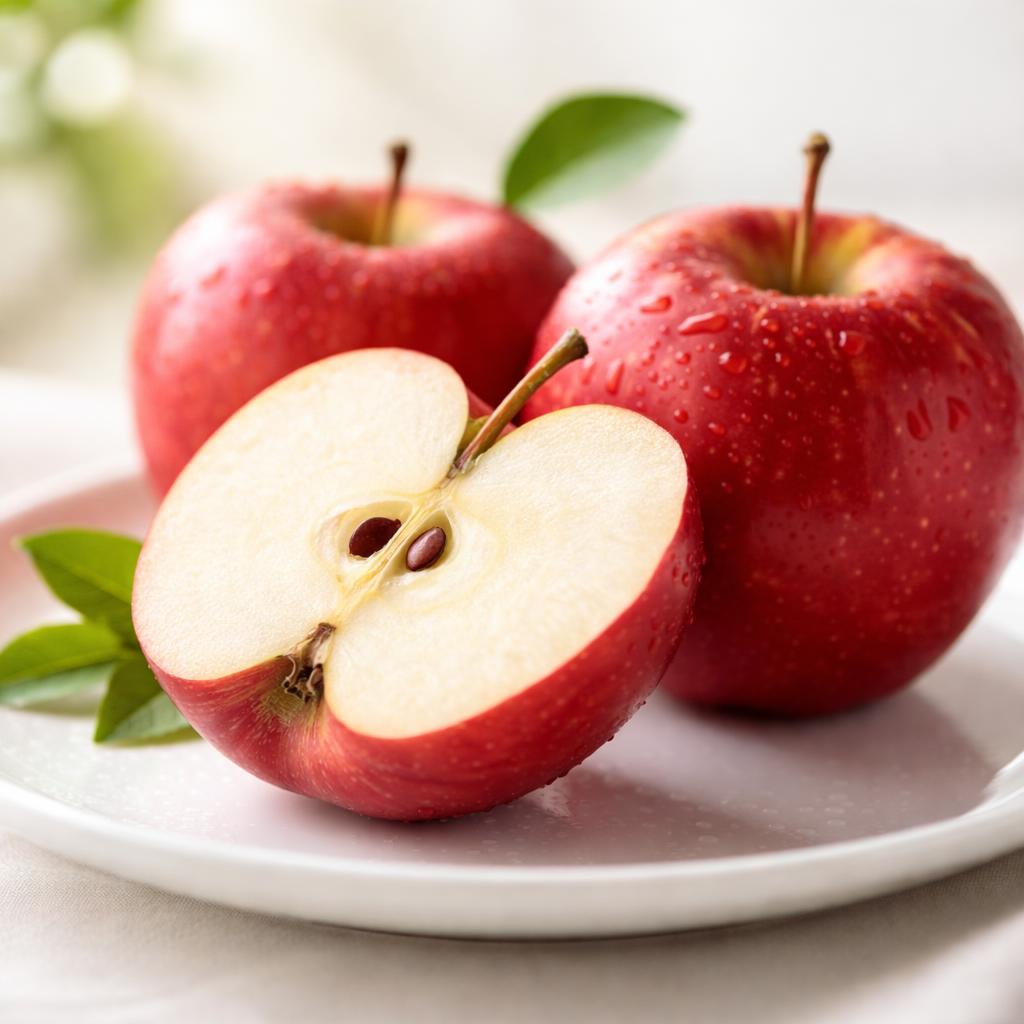
Apple
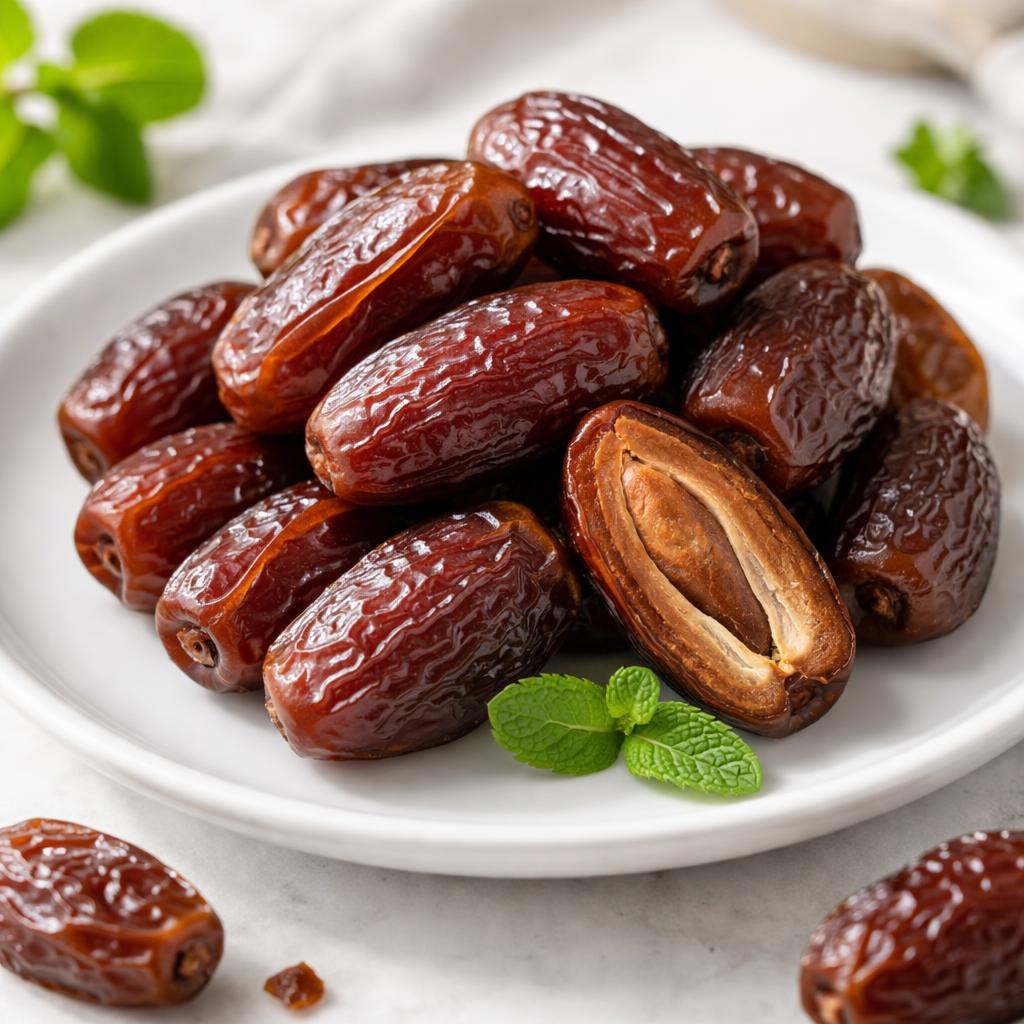
Date
🎯 Quick Verdict
Apples are lower in calories and sugar compared to dates and provide vitamin C and hydration benefits. Dates are higher in fiber, natural sugar, and micronutrients, making them ideal for energy and digestion. Choose apples for weight-loss-friendly snacking and dates for nutrient-dense energy boosts.

Smart Nutrition Tracking with SnapCalorie

📊 Nutritional Comparison
Macronutrients
| Nutrient | Food 1 | Food 2 | Winner |
|---|---|---|---|
| Calories | 52 | 277 | ✓ |
| Protein | 0.3g | 0.3g | − |
| Carbs | 14g | 75g | ✓ |
| Fat | 0.2g | 0.2g | − |
| Fiber | 2.4g | 6.7g | ✓ |
Vitamins & Minerals
| Nutrient | Food 1 | Food 2 | Winner |
|---|---|---|---|
| Vitamin C | 4.6mg | 0mg | ✓ |
| Vitamin A | 3mcg | 149mcg | ✓ |
| Potassium | 107mg | 696mg | ✓ |
🏆 Category Winners
Protein
Both foods have equally low protein content at 0.3g per serving.
Fiber
Dates provide almost 3 times more fiber per serving for enhanced digestion.
Calories
Apples are significantly lower in calories compared to dates.
🥗 Diet Compatibility
Keto
Food 1: Not Compatible
Food 2: Not Compatible
Both are high-carb fruits.
Vegan
Food 1: Compatible
Food 2: Compatible
Both are plant-based fruits.
Gluten Free
Food 1: Compatible
Food 2: Compatible
Neither contains gluten.
Paleo
Food 1: Compatible
Food 2: Compatible
Both are natural, unprocessed foods suitable for paleo diets.
Low Carb
Food 1: Not Compatible
Food 2: Not Compatible
Both are high-carb fruits unsuitable for strict low-carb diets.
💪 Health Benefits Comparison
Food 1 Benefits
- Low-calorie snack ideal for weight management
- Good source of vitamin C for immune health
- Provides hydration due to high water content
Food 2 Benefits
- High fiber content supports digestive health
- Rich in potassium for heart health and muscle function
- Provides natural sugars for a quick energy boost
✅ The Bottom Line
Apples are best for low-calorie snacking, hydration, and vitamin C support. Dates, with their high fiber and natural sugar, are ideal for energy production, digestion support, and nutrient density. Choose apples for weight management or hydration and dates for energy or digestive health.
Choose Food 1 for: Low-calorie snacking, hydration, immune health
Choose Food 2 for: Energy boosts, fiber-rich diets, mineral intake


