Apple VS Carrot
A detailed nutritional comparison
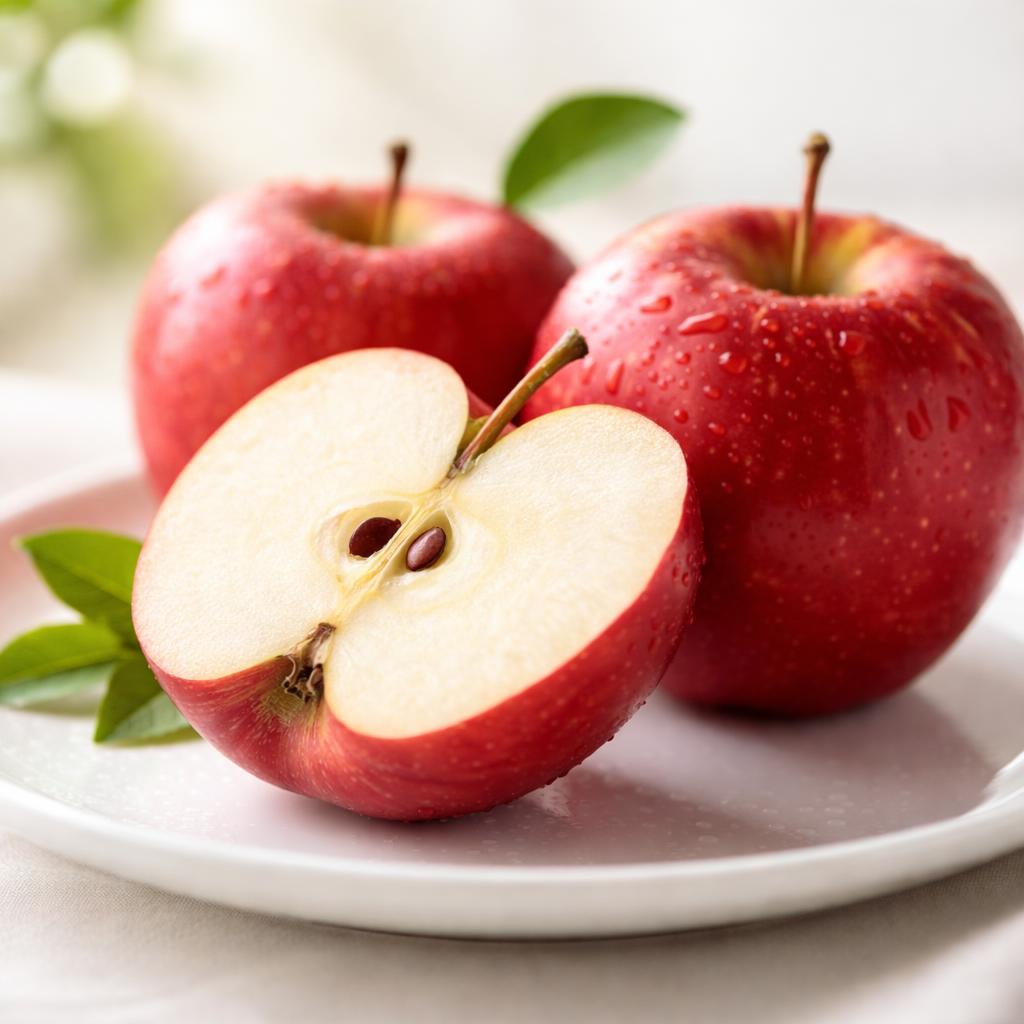
Apple

Carrot
🎯 Quick Verdict
Carrots generally outperform apples nutritionally, offering higher fiber, more vitamins (like vitamin A), and fewer calories, making them ideal for weight control and nutrient density. Apples stand out as a flavorful source of natural sugar and antioxidants, making them a refreshing energy boost or snack option.

Smart Nutrition Tracking with SnapCalorie

📊 Nutritional Comparison
Macronutrients
| Nutrient | Food 1 | Food 2 | Winner |
|---|---|---|---|
| Calories | 95 | 41 | ✓ |
| Protein | 0.5g | 0.9g | ✓ |
| Carbs | 25g | 10g | ✓ |
| Fat | 0.3g | 0.2g | ✓ |
| Fiber | 4g | 3.6g | ✓ |
Vitamins & Minerals
| Nutrient | Food 1 | Food 2 | Winner |
|---|---|---|---|
| Vitamin A | 1mcg | 835mcg | ✓ |
| Vitamin C | 8.4mg | 5.9mg | ✓ |
| Vitamin K | 4mcg | 13mcg | ✓ |
| Potassium | 195mg | 320mg | ✓ |
🏆 Category Winners
Protein
Carrots provide nearly double the protein of apples per serving (0.9g vs 0.5g).
Fiber
Apples slightly edge out carrots in dietary fiber content (4g vs 3.6g).
Calories
Carrots have less than half the calories of apples, making them more weight-loss-friendly.
Vitamins
Carrots are vastly richer in vitamin A and vitamin K, while apples are higher in vitamin C.
🥗 Diet Compatibility
Keto
Food 1: Not Compatible
Food 2: Compatible
Carrots are lower in carbs at 10g per serving, while apples have 25g of carbs.
Vegan
Food 1: Compatible
Food 2: Compatible
Both are plant-based, making them vegan-friendly.
Gluten Free
Food 1: Compatible
Food 2: Compatible
Neither food contains gluten.
Paleo
Food 1: Compatible
Food 2: Compatible
Both align with paleo dietary principles.
Low Carbohydrate
Food 1: Not Compatible
Food 2: Compatible
Carrots are a lower-carb choice compared to apples.
💪 Health Benefits Comparison
Food 1 Benefits
- Rich in natural sugar for quick energy
- Provides antioxidants to help combat free radicals
- High in Vitamin C for immune support
- Contains phytonutrients with anti-inflammatory properties
Food 2 Benefits
- High in Vitamin A for eye health
- Low calorie, making it great for weight management
- Good source of potassium for heart health
- Provides dietary fiber for digestive wellness
✅ The Bottom Line
Choose carrots for nutrient density and weight management, as they are lower in calories and rich in essential vitamins like A and K. Opt for apples when seeking a quick energy boost or a naturally sweet snack thanks to their higher carbohydrate content and antioxidants.
Choose Food 1 for: Quick energy, immune support, healthy snacking
Choose Food 2 for: Weight loss, heart health, nutrient-dense diets


