Apple VS Biscuits
A detailed nutritional comparison
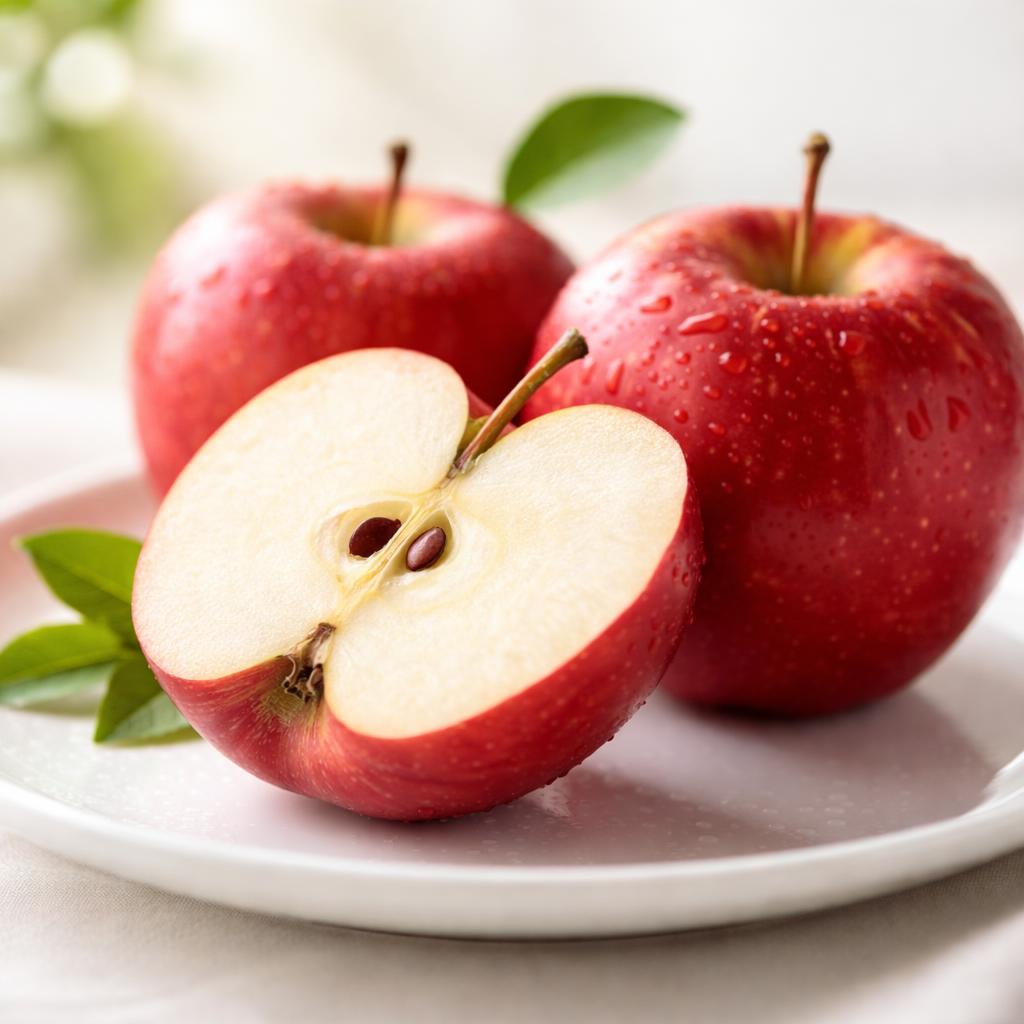
Apple

Biscuits
🎯 Quick Verdict
Apples are a lower-calorie, nutrient-dense fruit rich in fiber and vitamins, ideal for healthy snacking and digestion. Biscuits are higher in calories, contain more protein, and are typically energy-dense due to fats and added sugars, making them more suitable for quick energy boosts rather than regular consumption.

Smart Nutrition Tracking with SnapCalorie

📊 Nutritional Comparison
Macronutrients
| Nutrient | Food 1 | Food 2 | Winner |
|---|---|---|---|
| Calories | 95 | 212 | ✓ |
| Protein | 0.5g | 3g | ✓ |
| Carbs | 25g | 28g | ✓ |
| Fat | 0.3g | 10.5g | ✓ |
| Fiber | 4.4g | 0.8g | ✓ |
Vitamins & Minerals
| Nutrient | Food 1 | Food 2 | Winner |
|---|---|---|---|
| Vitamin C | 8.4mg | 0.1mg | ✓ |
| Vitamin D | 0mcg | 0mcg | − |
| Iron | 0.2mg | 2mg | ✓ |
🏆 Category Winners
Protein
Biscuits have six times more protein per serving.
Fiber
Apples offer five times more fiber per serving for digestion.
Calories
Apples are lower in calories, making them more suitable for weight management.
Vitamins
Apples provide significantly more Vitamin C, essential for immune health.
🥗 Diet Compatibility
Keto
Food 1: Not Compatible
Food 2: Not Compatible
Both foods are high in carbohydrates.
Vegan
Food 1: Compatible
Food 2: Compatible
Both foods are plant-based or free from animal products.
Gluten Free
Food 1: Compatible
Food 2: Not Compatible
Apples are naturally gluten-free, but biscuits often contain wheat flour.
Paleo
Food 1: Compatible
Food 2: Not Compatible
Apples fit into paleo diets, while biscuits typically contain processed ingredients.
Low-Carb
Food 1: Not Compatible
Food 2: Not Compatible
Both foods exceed common low-carb thresholds.
💪 Health Benefits Comparison
Food 1 Benefits
- Rich in dietary fiber for digestive health
- Contains Vitamin C for immune system support
- Low-calorie and hydrating for weight management
Food 2 Benefits
- Higher protein content for muscle repair
- Energy-dense for quick calories
- Contains iron for oxygen transport in blood
✅ The Bottom Line
Choose apples for nutrient density, digestion support, and weight management. Opt for biscuits when in need of a quick energy boost or for occasional treats. Apples are ideal for daily snacking, while biscuits should be consumed sparingly due to higher calories and fats.
Choose Food 1 for: Snack, digestion, weight loss, paleo diets
Choose Food 2 for: Quick energy, protein boost, occasional treat


