Apple VS Barbecue Sauce
A detailed nutritional comparison
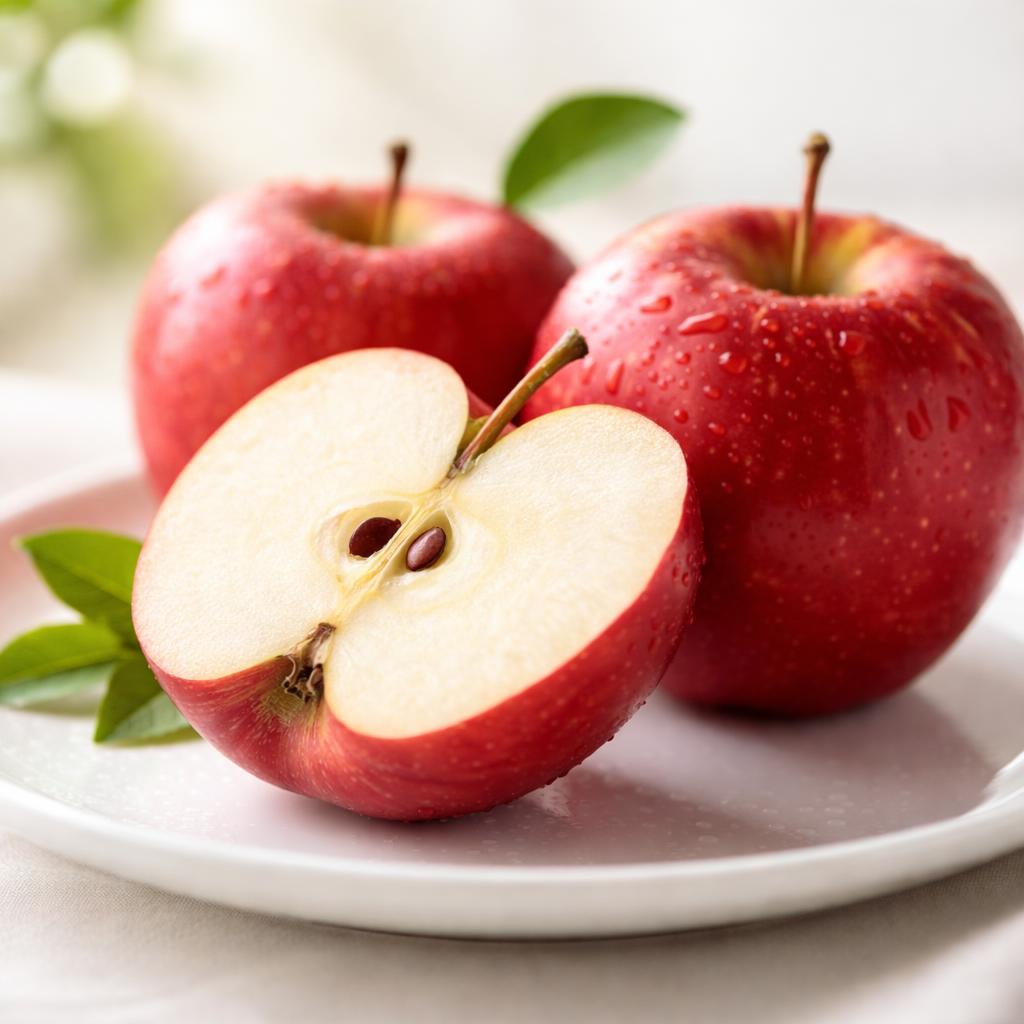
Apple

Barbecue Sauce
🎯 Quick Verdict
Apples are a nutrient-dense fruit with fewer calories, higher fiber, and natural sugars, while barbecue sauce is more calorie-dense, offering little fiber but includes added sugars and some antioxidants. Apples are ideal for snacking and healthy eating, while barbecue sauce enhances flavor but should be consumed in moderation due to sugar content.

Smart Nutrition Tracking with SnapCalorie

📊 Nutritional Comparison
Macronutrients
| Nutrient | Food 1 | Food 2 | Winner |
|---|---|---|---|
| Calories | 95 | 130 (per 2 tbsp) | ✓ |
| Protein | 0.5g | 0.5g | − |
| Carbs | 25g | 30g | ✓ |
| Fat | 0.3g | 0.2g | ✓ |
| Fiber | 4g | 0g | ✓ |
Vitamins & Minerals
| Nutrient | Food 1 | Food 2 | Winner |
|---|---|---|---|
| Vitamin C | 8.4mg | 3mg | ✓ |
| Vitamin A | 3mcg | 15mcg | ✓ |
| Calcium | 10mg | 5mg | ✓ |
| Iron | 0.2mg | 0mg | ✓ |
🏆 Category Winners
Protein
Both foods provide minimal protein.
Fiber
Apples provide 4g fiber compared to 0g in barbecue sauce.
Calories
Apples have fewer calories per serving, with only 95 compared to 130 in barbecue sauce.
Vitamins
Apples offer a wider range of vitamins, such as vitamin C and iron in higher amounts than barbecue sauce.
🥗 Diet Compatibility
Keto
Food 1: Not Compatible
Food 2: Not Compatible
Both are too high in carbs for a keto diet.
Vegan
Food 1: Compatible
Food 2: Compatible
Both foods are plant-based and free of animal products.
Gluten Free
Food 1: Compatible
Food 2: Check label
Apples are naturally gluten-free, but barbecue sauce may contain gluten due to additives.
Paleo
Food 1: Compatible
Food 2: Not Compatible
Apples fit paleo guidelines, while barbecue sauce typically contains added sugars and processed ingredients.
Low Carb
Food 1: Not Compatible
Food 2: Not Compatible
Both foods are relatively high in carbs per serving.
💪 Health Benefits Comparison
Food 1 Benefits
- Rich in dietary fiber for digestive health
- Contains vitamin C to boost immunity
- Low-calorie, nutrient-dense snack for weight maintenance
- Provides antioxidants like quercetin for heart health
Food 2 Benefits
- Adds flavor to meals, encouraging appetite
- Contains small amounts of vitamin A and antioxidants
- Provides quick energy from sugars
- Low in fat compared to other condiments
✅ The Bottom Line
Choose apples for a nutritious, low-calorie snack or dessert, ideal for overall health and weight management. Barbecue sauce is best used sparingly to enhance the flavor of savory dishes, keeping in mind its sugar content and lower nutrient profile.
Choose Food 1 for: Snacks, weight management, digestion
Choose Food 2 for: Flavor enhancement, barbecue dishes, occasional indulgence


