Apple VS Apricot
A detailed nutritional comparison
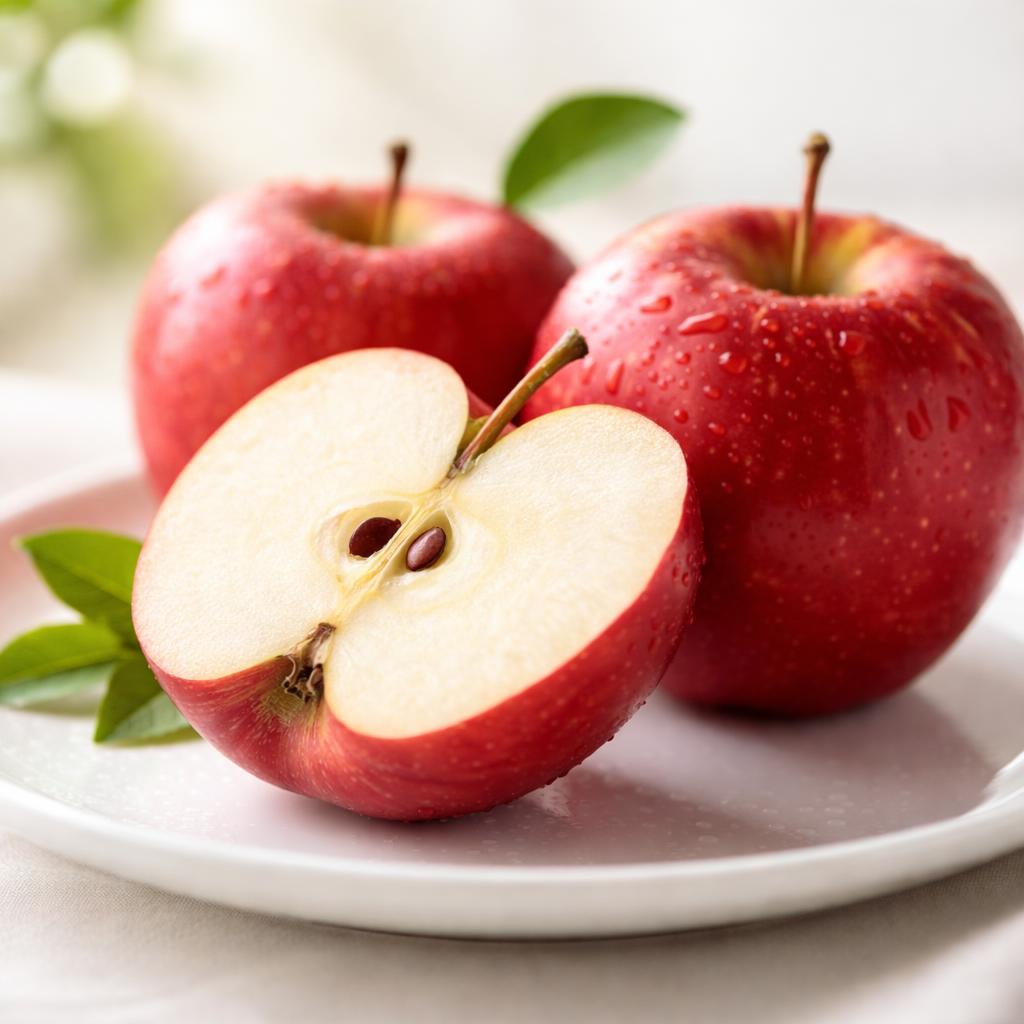
Apple
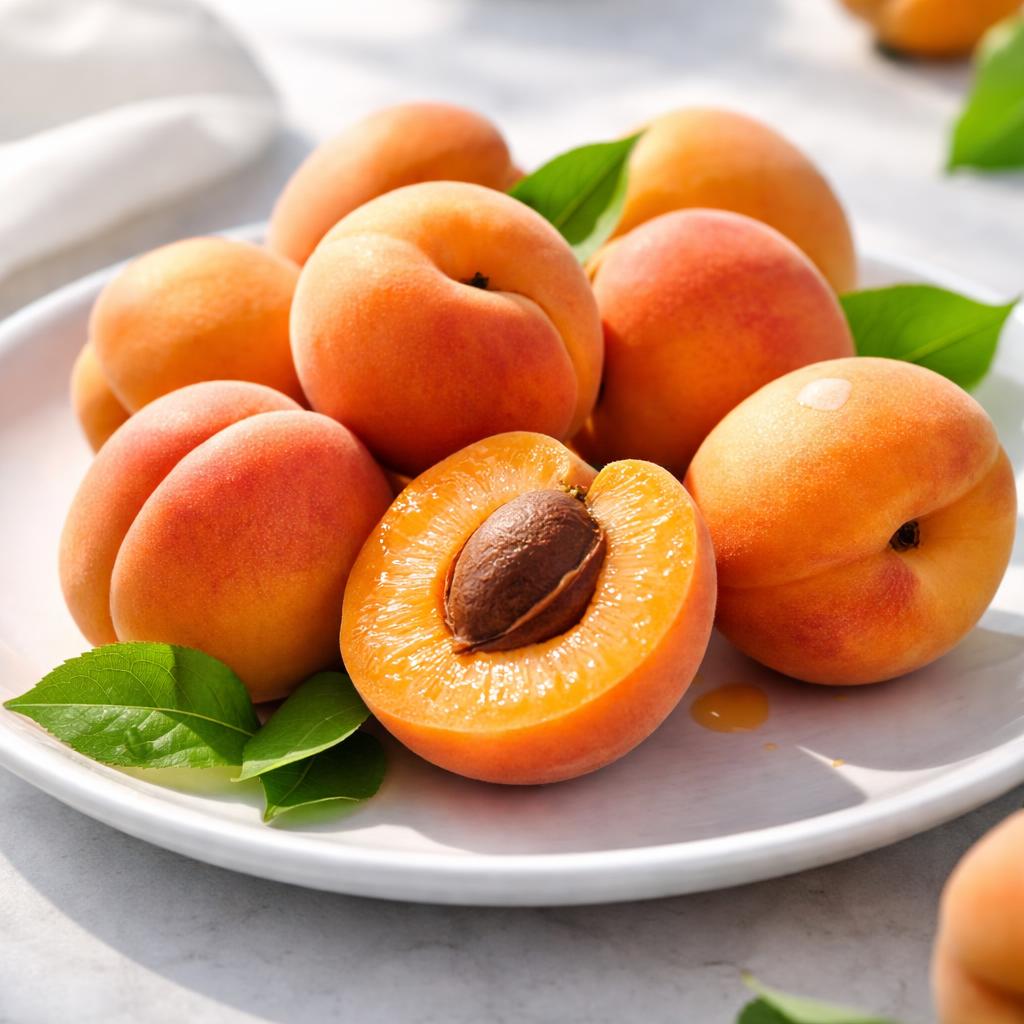
Apricot
🎯 Quick Verdict
While apples and apricots are both highly nutritious fruits, apples edge out overall due to higher fiber and lower calorie content. Apricots provide more vitamins like Vitamin A and potassium, making them excellent for heart and eye health. Apples are ideal for digestion and steady energy levels, whereas apricots contribute significantly to vitamin and mineral intake.

Smart Nutrition Tracking with SnapCalorie

📊 Nutritional Comparison
Macronutrients
| Nutrient | Food 1 | Food 2 | Winner |
|---|---|---|---|
| Calories | 52 per 100g | 48 per 100g | ✓ |
| Protein | 0.3g per 100g | 0.9g per 100g | ✓ |
| Carbs | 14g per 100g | 11g per 100g | ✓ |
| Fat | 0.1g per 100g | 0.1g per 100g | − |
| Fiber | 2.4g per 100g | 2g per 100g | ✓ |
Vitamins & Minerals
| Nutrient | Food 1 | Food 2 | Winner |
|---|---|---|---|
| Vitamin C | 4.6mg per 100g | 10mg per 100g | ✓ |
| Vitamin A | 3mcg per 100g | 96mcg per 100g | ✓ |
| Potassium | 107mg per 100g | 259mg per 100g | ✓ |
🏆 Category Winners
Protein
Apricot contains 3x more protein per 100g compared to apple.
Fiber
Apple provides slightly more fiber per 100g than apricot.
Calories
Apricot has fewer calories (48 vs. 52 per 100g).
Vitamins
Apricot excels in Vitamin A, Vitamin C, and potassium content.
🥗 Diet Compatibility
Keto
Food 1: Not Compatible
Food 2: Not Compatible
Both are relatively high-carb fruits.
Vegan
Food 1: Compatible
Food 2: Compatible
Both are plant-based.
Gluten Free
Food 1: Compatible
Food 2: Compatible
Neither contains gluten.
Paleo
Food 1: Compatible
Food 2: Compatible
Fruits are suitable for Paleo diets.
Low-Carb
Food 1: Not Compatible
Food 2: Not Compatible
Both exceed typical low-carb thresholds.
💪 Health Benefits Comparison
Food 1 Benefits
- High fiber content improves digestion
- Low-calorie snack for weight management
- Rich in flavonoids for reducing inflammation
Food 2 Benefits
- Rich in Vitamin A for eye health
- Good source of potassium for heart function
- Higher Vitamin C for immunity and skin health
✅ The Bottom Line
Both apples and apricots are nutritious choices, but their uses differ slightly. Choose apples for digestive health and sustained energy due to their higher fiber content. Opt for apricots if your priority is boosting Vitamin A and potassium intake. Both can fit well into a healthy diet depending on your goals and preferences.
Choose Food 1 for: Digestive health, steady energy, low-calorie snacks
Choose Food 2 for: Eye health, heart function, immune support


