Wild Grape Wine
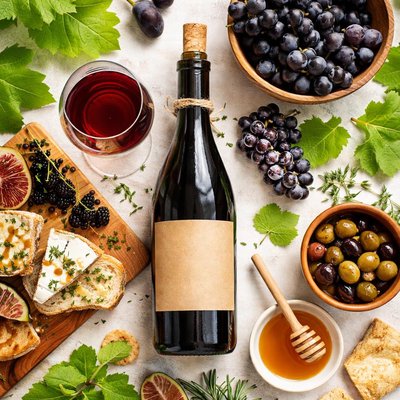
Transform nature’s bounty into a homemade masterpiece with this Wild Grape Wine recipe, a rustic blend of wild-foraged grapes, granulated sugar, and wine yeast. Perfect for beginners and seasoned winemakers alike, this recipe showcases the deep, earthy flavors of wild grapes, balanced with a touch of sweetness for a smooth, rich finish. With its slow fermentation process and optional aging for enhanced complexity, this craft wine is a labor of love that rewards patience. Whether you enjoy it on its own or pair it with your favorite meal, this DIY wine-making adventure brings an artisanal touch to your table. Plus, its simple ingredients and step-by-step process make it easy to create your own small-batch wine treasure.

Smart Nutrition Tracking with SnapCalorie

Recipe Information
Ingredients
- 15 pounds Wild grapes
- 6 cups Granulated sugar
- 1.5 gallons Water
- 1 packet Wine yeast
- 5 tablets Campden tablets (optional)
Instructions
1. Rinse the wild grapes thoroughly under cold water to remove dirt and debris. Discard any rotten or unripe grapes.
2. In a large sterilized fermenting bucket, crush the grapes by hand or using a potato masher. Ensure all the juices are extracted and the skins are broken to release flavor.
3. Pour in the water and stir well to create a must (unfermented grape mixture).
4. If using Campden tablets, crush them and mix into the must to sterilize. Let the mixture sit uncovered for 24 hours, stirring occasionally.
5. After 24 hours, add the granulated sugar to the must, stirring thoroughly to dissolve.
6. Sprinkle the wine yeast evenly over the surface of the must. Allow it to sit for 15 minutes before stirring it in gently.
7. Cover the fermenting bucket loosely with a lid or cloth to allow gases to escape while keeping contaminants out.
8. Store the bucket in a cool, dark place (around 65-75°F / 18-24°C) to ferment. Stir the must daily with a sterilized spoon for 5-7 days.
9. After the primary fermentation period, carefully strain the must through a fine mesh strainer or cheesecloth into a sterilized secondary fermenter (e.g., glass carboy), leaving sediment behind.
10. Attach an airlock to the secondary fermenter. Allow the wine to continue fermenting for 4-6 weeks or until bubbling in the airlock stops.
11. Once fermentation is complete, siphon the wine off the sediment (called racking) into another sterilized container. Repeat this racking process every few weeks as sediment builds up, for a total of 2-3 months.
12. Taste the wine. If desired, adjust sweetness by dissolving additional sugar into a small amount of water and stirring it into the wine.
13. Once the wine is clear and stable, bottle it using sterilized bottles and corks. Store in a cool place for aging if preferred.
14. Enjoy your homemade wild grape wine after at least 3-6 months of aging for improved flavor!
Nutrition Facts
Calories |
317 | ||
|---|---|---|---|
% Daily Value* |
|||
| Total Fat | 0.5 g | 1% | |
| Saturated Fat | 0.0 g | 0% | |
| Polyunsaturated Fat | 0.0 g | ||
| Cholesterol | 0 mg | 0% | |
| Sodium | 12 mg | 1% | |
| Total Carbohydrate | 81.2 g | 30% | |
| Dietary Fiber | 1.8 g | 7% | |
| Total Sugars | 75.3 g | ||
| Protein | 1.8 g | 4% | |
| Vitamin D | 0.0 mcg | 0% | |
| Calcium | 42 mg | 3% | |
| Iron | 0.9 mg | 5% | |
| Potassium | 433 mg | 9% | |
*The % Daily Value tells you how much a nutrient in a serving of food contributes to a daily diet. 2,000 calories a day is used for general nutrition advice.


