Whole30 Spicy Mayo Sauce
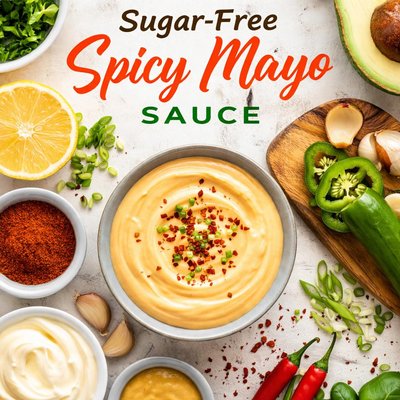
Elevate your dishes with the bold and creamy flavors of Whole30 Spicy Mayo Sauce! This quick and easy homemade recipe is made with wholesome ingredients like avocado oil, fresh lemon juice, and a hint of Dijon mustard, ensuring it's fully compliant with Whole30 guidelines. Featuring a touch of garlic powder and smoked paprika for depth, plus a splash of your favorite Whole30-approved hot sauce for a satisfying kick, this mayo is perfect for dipping, drizzling, or spreading. In just 10 minutes, you'll have a luscious sauce that pairs beautifully with grilled meats, roasted vegetables, or as a zesty dressing for salads and wraps. Both paleo-friendly and dairy-free, this versatile spicy mayo is sure to be your new go-to condiment!
Train Anywhere. No Excuses.
Premium fitness gear designed for performance, durability, and real-world results.
From home to gym to on-the-go

Recipe Information
Ingredients
- 1 large Egg
- 1 cup Avocado Oil
- 2 tablespoons Lemon Juice
- 1 teaspoon Dijon Mustard
- 0.5 teaspoon Garlic Powder
- 0.5 teaspoon Salt
- 2 teaspoons Hot Sauce (Whole30-compliant)
- 0.5 teaspoon Smoked Paprika
Instructions
Crack the egg into a tall, narrow container suitable for an immersion blender.
Add the lemon juice, Dijon mustard, garlic powder, and salt to the container with the egg.
Pour the avocado oil into the container. Let everything settle so that the oil separates and floats to the top.
Place an immersion blender at the bottom of the container and start blending on low speed. Keep it still for about 10–15 seconds until the mixture begins to emulsify and thicken.
Slowly move the immersion blender upwards, blending until all the oil is incorporated and the mixture has a creamy mayo consistency.
Stir in the hot sauce and smoked paprika. Mix well until fully combined and adjust seasoning to taste, if needed.
Transfer the spicy mayo to a clean jar or airtight container and store in the refrigerator for up to one week.
Nutrition Facts
Calories |
354 | ||
|---|---|---|---|
% Daily Value* |
|||
| Total Fat | 40.4 g | 52% | |
| Saturated Fat | 5.9 g | 29% | |
| Polyunsaturated Fat | 0.0 g | ||
| Cholesterol | 31 mg | 10% | |
| Sodium | 204 mg | 9% | |
| Total Carbohydrate | 0.7 g | 0% | |
| Dietary Fiber | 0.1 g | 0% | |
| Total Sugars | 0.2 g | ||
| Protein | 1.1 g | 2% | |
| Vitamin D | 0.2 mcg | 1% | |
| Calcium | 7 mg | 1% | |
| Iron | 0.2 mg | 1% | |
| Potassium | 23 mg | 0% | |
*The % Daily Value tells you how much a nutrient in a serving of food contributes to a daily diet. 2,000 calories a day is used for general nutrition advice.



