Whole30 Blush Wine Vinaigrette
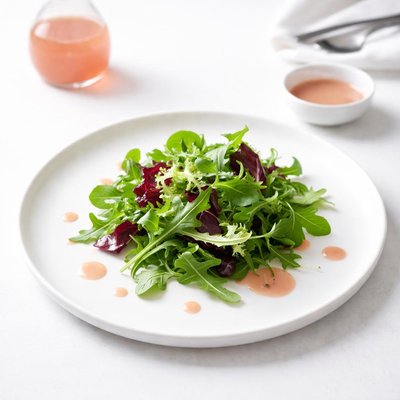
Elevate your salads and roasted vegetables with this tangy and herbaceous Whole30 Blush Wine Vinaigrette! Made in just 10 minutes, this healthy homemade dressing combines the bright acidity of blush wine vinegar with the richness of extra virgin olive oil, perfectly balanced by Dijon mustard, minced garlic, and a fragrant blend of dried oregano and basil. Seasoned simply with salt and pepper—and a touch of optional Whole30-compliant sweetener—this easy vinaigrette is completely dairy-free, sugar-free, and ideal for enhancing your Whole30 meals. With its emulsified texture and zesty flavor, it’s a versatile addition to your meal prep, staying fresh in the fridge for up to a week. Shake, drizzle, and enjoy a burst of flavor with every bite!
Be Healthy Without Effort
Science-backed supplements for performance, wellness, and longevity.
Optimize your body chemistry naturally

Recipe Information
Ingredients
- 3 tablespoons Blush wine vinegar
- 6 tablespoons Extra virgin olive oil
- 2 teaspoons Dijon mustard
- 1 clove Minced garlic
- 0.5 teaspoon Salt
- 0.25 teaspoon Black pepper
- 0.5 teaspoon Dried oregano
- 0.5 teaspoon Dried basil
- 0.5 teaspoon Sweetener (optional, Whole30-compliant)
Instructions
In a medium-sized mixing bowl, combine the blush wine vinegar and Dijon mustard. Whisk together until well blended.
Slowly drizzle in the extra virgin olive oil while continuously whisking the mixture to emulsify the vinaigrette.
Add the minced garlic, salt, black pepper, dried oregano, and dried basil to the bowl. Whisk to thoroughly incorporate all the ingredients.
Taste the vinaigrette and adjust seasoning as necessary. If a hint of sweetness is desired and compliant with your Whole30 guidelines, incorporate a Whole30 compliant sweetener.
Transfer the vinaigrette to a sealable jar or bottle for storage. Shake well before each use.
Store the vinaigrette in the refrigerator for up to one week. Allow it to come to room temperature and shake well before using on salads or roasted vegetables.
Nutrition Facts
Calories |
122 | ||
|---|---|---|---|
% Daily Value* |
|||
| Total Fat | 13.4 g | 17% | |
| Saturated Fat | 1.9 g | 10% | |
| Polyunsaturated Fat | 0.0 g | ||
| Cholesterol | 0 mg | 0% | |
| Sodium | 210 mg | 9% | |
| Total Carbohydrate | 0.7 g | 0% | |
| Dietary Fiber | 0.1 g | 0% | |
| Total Sugars | 0.3 g | ||
| Protein | 0.0 g | 0% | |
| Vitamin D | 0.0 mcg | 0% | |
| Calcium | 3 mg | 0% | |
| Iron | 0.2 mg | 1% | |
| Potassium | 4 mg | 0% | |
*The % Daily Value tells you how much a nutrient in a serving of food contributes to a daily diet. 2,000 calories a day is used for general nutrition advice.



