Weight Watchers Manhattan Clam Chowdah
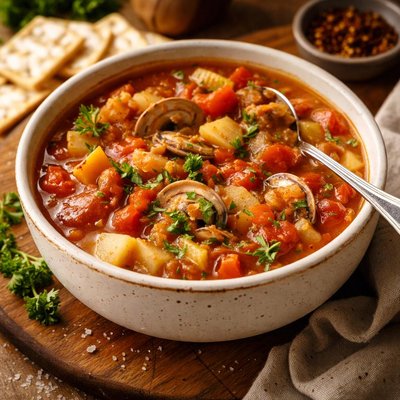
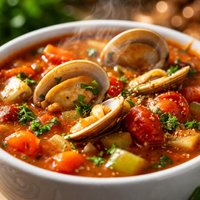
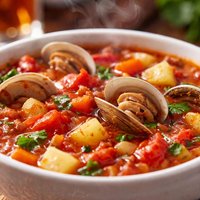
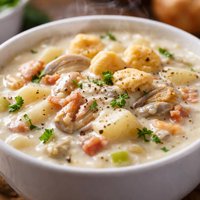
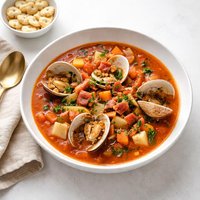
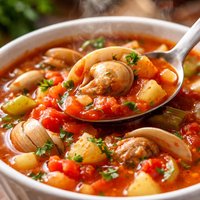
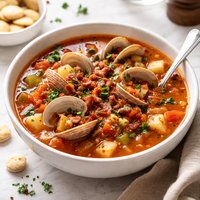
Dive into a bowl of comforting warmth with this Weight Watchers Manhattan Clam Chowdah, a lighter, healthier twist on the classic coastal favorite. Bursting with vibrant flavors from tender clams, hearty vegetables, and a rich tomato-based broth, this recipe is low in calories yet high in satisfaction. The combination of aromatic thyme, a hint of garlic, and the briny essence of clam juice creates a deeply flavorful chowder that's both nourishing and indulgent. Ready in just 45 minutes, this easy Manhattan clam chowder is perfect for weeknight dinners or meal prep, serving up six generous bowls of seafood goodness. Garnish with fresh parsley for a finishing touch, and enjoy this guilt-free, Weight Watchers-approved creation.
Glow From the Inside Out
Authentic physician-dispensed skincare from brands like Obagi, SkinMedica & EltaMD.
Trusted by dermatologists, loved by your skin
Recipe Information
Ingredients
- 1 tbsp Olive oil
- 2 stalks Celery
- 1 medium, diced Yellow onion
- 2 medium, diced Carrots
- 3 cloves, minced Garlic
- 2 medium, peeled and diced Potatoes
- 4 cups Low-sodium chicken or vegetable broth
- 1 14 oz can Canned diced tomatoes (no salt added)
- 2 tbsp Tomato paste
- 1 cup Clam juice
- 2 6.5 oz cans, drained Canned clams
- 1 tsp, dried Thyme
- 1 Bay leaf
- 2 tbsp, chopped (optional for garnishing) Parsley
- 1 tsp, or to taste Salt
- 0.5 tsp, or to taste Black pepper
Instructions
Heat the olive oil in a large pot over medium heat.
Add the diced celery, onion, and carrots to the pot and sauté for 5-7 minutes until softened.
Stir in the minced garlic and cook for an additional 1 minute until fragrant.
Add the diced potatoes, chicken or vegetable broth, diced tomatoes, tomato paste, and clam juice to the pot.
Sprinkle in the dried thyme and add the bay leaf for aromatic flavors.
Stir everything together and bring the mixture to a gentle boil.
Once boiling, reduce the heat to low, cover, and let it simmer for 15-20 minutes, or until the potatoes are tender.
Stir in the drained canned clams and allow them to warm through for 2-3 minutes.
Remove the bay leaf and discard it. Taste the chowder, then add salt and pepper as needed.
Serve the chowder hot, garnished with chopped parsley if desired.
Nutrition Facts
Calories |
184 | ||
|---|---|---|---|
% Daily Value* |
|||
| Total Fat | 3.6 g | 5% | |
| Saturated Fat | 0.5 g | 2% | |
| Polyunsaturated Fat | 0.0 g | ||
| Cholesterol | 25 mg | 8% | |
| Sodium | 696 mg | 30% | |
| Total Carbohydrate | 22.5 g | 8% | |
| Dietary Fiber | 3.2 g | 11% | |
| Total Sugars | 5.0 g | ||
| Protein | 15.3 g | 31% | |
| Vitamin D | 0.0 mcg | 0% | |
| Calcium | 83 mg | 6% | |
| Iron | 2.3 mg | 13% | |
| Potassium | 599 mg | 13% | |
*The % Daily Value tells you how much a nutrient in a serving of food contributes to a daily diet. 2,000 calories a day is used for general nutrition advice.



