Vegan Traditional Bengali Payesh
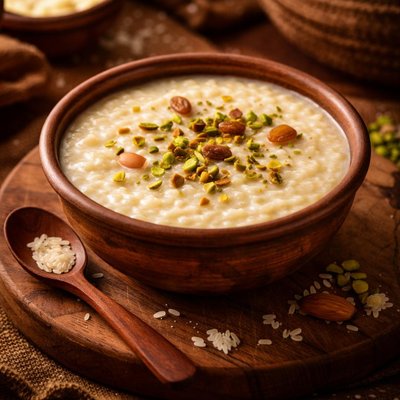
Indulge in the creamy richness of Vegan Traditional Bengali Payesh, a plant-based twist on the beloved Bengali dessert. This aromatic delight swaps out dairy for the luscious blend of full-fat coconut milk and almond milk, simmered with Gobindobhog rice—an aromatic short-grain variety that lends its natural starchiness to create a velvety texture. Sweetened with traditional date palm jaggery (Nolen Gur) or coconut sugar, this payesh bursts with authentic flavors of Bengal while staying entirely vegan. Enhanced with cardamom pods, bay leaf, and optional saffron strands, each spoonful offers a warming, fragrant embrace. Roasted cashews and juicy raisins add a delightful crunch and chew. Perfect as a festive dessert or indulgent treat, serve this payesh warm or chilled, letting the vibrant flavors captivate your senses. The recipe is simple to make, yet full of elegance—ideal for vegan dessert enthusiasts and those exploring traditional Bengali cuisine.

Smart Nutrition Tracking with SnapCalorie

Recipe Information
Ingredients
- 4 cups Full-fat coconut milk
- 2 cups Unsweetened almond milk
- 1 cup Gobindobhog rice (or short-grain rice)
- 1 cup Date palm jaggery (Nolen Gur) or coconut sugar
- 4 pods Cardamom pods
- 1 leaf Bay leaf
- 2 tablespoons Cashews
- 2 tablespoons Raisins
- 10 strands Saffron strands (optional)
- 1 cup Water
Instructions
Rinse the Gobindobhog rice under cold water 2-3 times until the water runs clear. Set it aside to soak in water for 20 minutes, then drain and keep ready.
In a large, heavy-bottomed pot, add the coconut milk, almond milk, and 1 cup of water. Heat it on medium-low until it comes to a gentle simmer. Do not let it boil.
Stir in the bay leaf and cardamom pods to infuse the liquid with a warm, fragrant aroma.
Add the drained rice to the simmering milk mixture. Stir well to ensure the rice does not stick to the bottom of the pot.
Reduce the heat to low and let the rice cook, stirring occasionally, for about 30 minutes or until it becomes soft and creamy. The mixture will start to thicken as the rice releases starch and cooks down.
In a separate small pan, dry roast the cashews until lightly golden. Set aside. If using raisins, rinse them and set them aside as well.
Once the rice is fully cooked and the mixture has reached a creamy consistency, remove the bay leaf and cardamom pods.
Reduce the heat to the lowest setting and stir in the date palm jaggery (or coconut sugar). Mix well until it dissolves completely. Be sure not to boil the jaggery, as this can cause the milk to split.
If using saffron, soak the strands in a tablespoon of warm almond milk and add it to the payesh for added fragrance and color.
Add the roasted cashews and raisins, stirring gently to combine. Cook for an additional 5 minutes, then turn off the heat.
Let the payesh rest for 10-15 minutes to allow the flavors to develop further. It will thicken slightly as it cools.
Serve the payesh warm or chilled in small bowls, garnished with additional roasted nuts or saffron if desired.
Nutrition Facts
Calories |
610 | ||
|---|---|---|---|
% Daily Value* |
|||
| Total Fat | 40.5 g | 52% | |
| Saturated Fat | 33.7 g | 168% | |
| Polyunsaturated Fat | 0.4 g | ||
| Cholesterol | 0 mg | 0% | |
| Sodium | 97 mg | 4% | |
| Total Carbohydrate | 65.2 g | 24% | |
| Dietary Fiber | 1.1 g | 4% | |
| Total Sugars | 48.5 g | ||
| Protein | 5.1 g | 10% | |
| Vitamin D | 0.8 mcg | 4% | |
| Calcium | 224 mg | 17% | |
| Iron | 6.5 mg | 36% | |
| Potassium | 937 mg | 20% | |
*The % Daily Value tells you how much a nutrient in a serving of food contributes to a daily diet. 2,000 calories a day is used for general nutrition advice.


