Vegan Pain au Levain
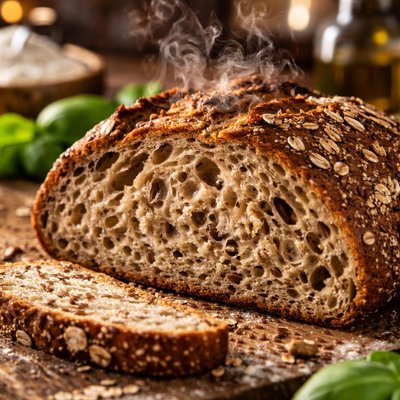
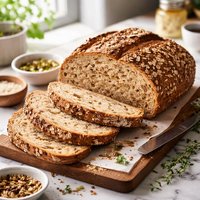
Delight in the art of sourdough baking with our Vegan Pain au Levain recipe, a plant-based twist on the classic French bread. Crafted using a combination of whole wheat and all-purpose flours, this naturally leavened loaf showcases the magic of an active sourdough starter to create a deeply flavorful and chewy crumb, encased in a crispy golden crust. Through gentle stretch-and-fold techniques and a slow cold fermentation process, you'll develop incredible texture and complex flavors while honing your artisan baking skills. Perfect for beginner sourdough enthusiasts or seasoned bakers alike, this vegan-friendly recipe transforms humble ingredients like flour, water, and salt into a bakery-worthy masterpiece. Serve slices alongside soups, spreads, or enjoy with a drizzle of olive oil for a rustic, wholesome treat.

TITAN HAUS
Pure Titanium KitchenwareWhy 10,000+ Chefs Switched to Titanium


Recipe Information
Ingredients
- 200 grams Whole wheat flour
- 800 grams All-purpose flour
- 750 ml Water
- 200 grams Active, mature sourdough starter
- 20 grams Salt
Instructions
1. In a large bowl, mix the whole wheat flour, all-purpose flour, and water together until there are no dry lumps. Cover the bowl with a damp cloth and let it rest for 1 hour for autolysis.
2. After the autolysis, add the sourdough starter to the dough and mix with your hands until fully incorporated. This step is called the initial mixing and should take about 4-5 minutes.
3. Sprinkle the salt over the dough and incorporate it by pinching and folding the dough over itself. Continue until the salt is completely absorbed and the dough becomes smoother, approximately 5 minutes.
4. Cover the bowl again and start the bulk fermentation. This should take about 4-5 hours at room temperature, depending on the ambient temperature.
5. During the bulk fermentation, perform 4-5 sets of stretch and folds every 30 minutes for the first 2 hours. To do this, grab the dough underneath, stretch it upwards, and then fold it over the top. Rotate the bowl and repeat until you have stretched and folded the dough 4 times.
6. After the bulk fermentation, the dough should have risen noticeably and be slightly wobbly. Lightly flour your work surface and turn the dough out onto it.
7. Divide the dough into 2 equal parts, preshape each into rough rounds, and let them rest for 20 minutes, covered with a damp cloth.
8. After resting, shape each round into a boule or batard by folding the edges towards the center, flipping it seam-side down, and rotating while tucking the edges underneath to create surface tension.
9. Place the shaped dough into well-floured proofing baskets, seam side up. Cover them with a plastic cover and refrigerate for 12-14 hours for cold fermentation.
10. The next day, preheat your oven to 250°C (482°F) with a Dutch oven inside, for at least 30-45 minutes.
11. Carefully transfer the dough into the hot Dutch oven, seam side down. Score the top with a sharp blade to your preference.
12. Bake covered for 25 minutes, then remove the lid and reduce the oven temperature to 230°C (446°F). Bake for an additional 20 minutes or until the crust is deep golden brown.
13. Remove the bread from the oven and let it cool completely on a wire rack before slicing.
Nutrition Facts
Calories |
1956 | ||
|---|---|---|---|
% Daily Value* |
|||
| Total Fat | 5.9 g | 8% | |
| Saturated Fat | 1.0 g | 5% | |
| Polyunsaturated Fat | 0.0 g | ||
| Cholesterol | 0 mg | 0% | |
| Sodium | 3906 mg | 170% | |
| Total Carbohydrate | 409.0 g | 149% | |
| Dietary Fiber | 22.8 g | 81% | |
| Total Sugars | 2.0 g | ||
| Protein | 59.4 g | 119% | |
| Vitamin D | 0.0 mcg | 0% | |
| Calcium | 126 mg | 10% | |
| Iron | 19.8 mg | 110% | |
| Potassium | 744 mg | 16% | |
*The % Daily Value tells you how much a nutrient in a serving of food contributes to a daily diet. 2,000 calories a day is used for general nutrition advice.



