Vegan Butternut Squash Mash

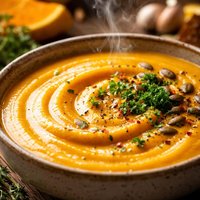
Transform your classic side dish with this creamy and flavorful Vegan Butternut Squash Mash! Roasted to perfection with garlic, fresh thyme, and a drizzle of olive oil, the tender squash is blended into a silky mash using unsweetened almond milk and nutritional yeast for a luscious, dairy-free twist. Bursting with natural sweetness and savory herbal notes, this recipe is perfect for holiday spreads or a comforting weeknight meal. Ready in just 45 minutes and garnished with vibrant parsley, this versatile dish is a crowd-pleasing addition to any vegan or gluten-free table.

Smart Nutrition Tracking with SnapCalorie



Recipe Information
Ingredients
- 2 pounds Butternut squash
- 2 tablespoons Olive oil
- 3 large Garlic cloves
- 1 teaspoon Fresh thyme leaves
- 1 teaspoon Salt
- 0.5 teaspoon Black pepper
- 0.25 cup Unsweetened almond milk
- 2 tablespoons Nutritional yeast
- 2 tablespoons Chopped fresh parsley
Instructions
Preheat your oven to 400°F (200°C).
Peel and cut the butternut squash into 1-inch cubes, discarding the seeds and fibrous insides.
Place the squash cubes on a large baking sheet. Drizzle with olive oil and add the minced garlic cloves and fresh thyme. Toss to coat evenly.
Season the squash with salt and black pepper.
Roast in the preheated oven for about 25-30 minutes, or until the squash is tender and lightly caramelized, stirring halfway through to ensure even cooking.
Remove the squash from the oven and let it cool slightly.
Transfer the roasted squash into a large mixing bowl. Add the unsweetened almond milk and nutritional yeast.
Using a potato masher or an immersion blender, mash the squash until smooth and creamy. Adjust the consistency with more almond milk if preferred.
Taste and adjust seasoning with more salt and pepper if needed.
Garnish with chopped fresh parsley before serving.
Nutrition Facts
Calories |
168 | ||
|---|---|---|---|
% Daily Value* |
|||
| Total Fat | 7.2 g | 9% | |
| Saturated Fat | 1.0 g | 5% | |
| Polyunsaturated Fat | 0.0 g | ||
| Cholesterol | 0 mg | 0% | |
| Sodium | 506 mg | 22% | |
| Total Carbohydrate | 26.3 g | 10% | |
| Dietary Fiber | 8.2 g | 29% | |
| Total Sugars | 4.6 g | ||
| Protein | 3.6 g | 7% | |
| Vitamin D | 0.2 mcg | 1% | |
| Calcium | 133 mg | 10% | |
| Iron | 1.5 mg | 9% | |
| Potassium | 701 mg | 15% | |
*The % Daily Value tells you how much a nutrient in a serving of food contributes to a daily diet. 2,000 calories a day is used for general nutrition advice.


