Tonkatsu Sauce
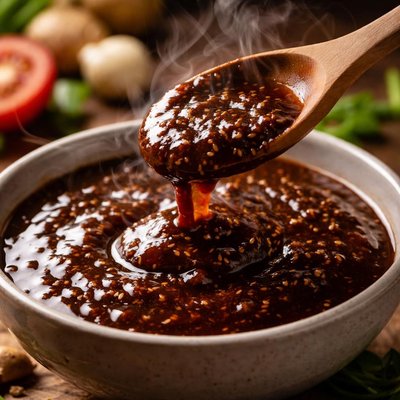
Elevate your Japanese dishes with this irresistible homemade Tonkatsu Sauce—a tangy, savory condiment that perfectly complements crispy pork cutlets, fried chicken, or even vegetable fritters. Made in just 10 minutes with everyday pantry staples like ketchup, soy sauce, and Worcestershire sauce, this recipe is enhanced with mirin, rice vinegar, and a hint of Dijon mustard for a balanced blend of sweetness and acidity. Garlic and onion powders add depth, while a touch of sugar ties everything together. Simple yet packed with bold flavors, this versatile sauce is easy to prepare and can be stored for up to two weeks, making it a must-have for anyone looking to bring authentic Japanese taste to their table. Perfect for dipping or drizzling, Tonkatsu Sauce is sure to become your go-to favorite!

Smart Nutrition Tracking with SnapCalorie




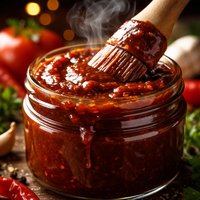
Recipe Information
Ingredients
- 1 cup ketchup
- 0.25 cup Worcestershire sauce
- 2 tablespoons soy sauce
- 2 tablespoons mirin
- 2 tablespoons sugar
- 1 tablespoon rice vinegar
- 1 teaspoon Dijon mustard
- 0.5 teaspoon garlic powder
- 0.5 teaspoon onion powder
Instructions
In a medium-sized mixing bowl, combine the ketchup, Worcestershire sauce, and soy sauce.
Add the mirin and sugar to the mixture. Stir until the sugar is fully dissolved.
Stir in the rice vinegar and Dijon mustard until well blended.
Sprinkle the garlic powder and onion powder over the sauce mixture.
Whisk all the ingredients together until completely smooth and well combined.
Taste and adjust the seasoning if necessary, adding more sugar for sweetness or vinegar for acidity.
Transfer the Tonkatsu sauce to a jar or an airtight container.
Let the sauce sit for at least 30 minutes at room temperature before using, to allow the flavors to meld.
Store in the refrigerator for up to two weeks and give it a shake before each use.
Nutrition Facts
Calories |
56 | ||
|---|---|---|---|
% Daily Value* |
|||
| Total Fat | 0.2 g | 0% | |
| Saturated Fat | 0.0 g | 0% | |
| Polyunsaturated Fat | 0.0 g | ||
| Cholesterol | 0 mg | 0% | |
| Sodium | 386 mg | 17% | |
| Total Carbohydrate | 13.6 g | 5% | |
| Dietary Fiber | 0.1 g | 0% | |
| Total Sugars | 10.0 g | ||
| Protein | 0.4 g | 1% | |
| Vitamin D | 0.0 mcg | 0% | |
| Calcium | 11 mg | 1% | |
| Iron | 0.5 mg | 3% | |
| Potassium | 82 mg | 2% | |
*The % Daily Value tells you how much a nutrient in a serving of food contributes to a daily diet. 2,000 calories a day is used for general nutrition advice.


