This Is It Healthy Bisquick Substitute That Tastes Great
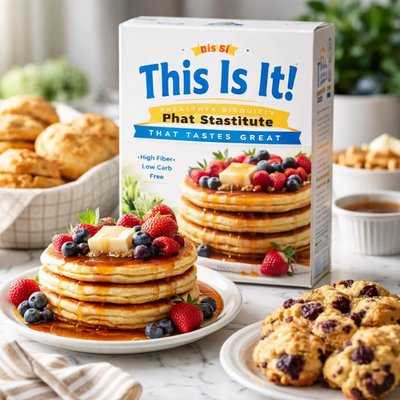
Say goodbye to store-bought baking mixes with this easy and healthy Bisquick substitute that’s full of wholesome ingredients and incredible flavor! Made with a blend of whole wheat and all-purpose flour, this recipe delivers a nutty, hearty taste while maintaining the versatility you love in classic Bisquick. Chilled coconut oil or unsalted butter ensures a tender, flaky texture in your baked goods, while an optional touch of powdered milk or buttermilk powder adds richness. Ready in just 10 minutes, this homemade mix is perfect for everything from fluffy pancakes to savory biscuits. With a shelf life of up to 3 months in the fridge (or longer in the freezer), it’s your ultimate time-saving, health-conscious pantry staple!
Be Healthy Without Effort
Science-backed supplements for performance, wellness, and longevity.
Optimize your body chemistry naturally


Recipe Information
Ingredients
- 2 cups Whole wheat flour
- 1 cup All-purpose flour
- 2.5 tablespoons Baking powder
- 1 teaspoon Salt
- 6 tablespoons Coconut oil or unsalted butter (chilled and solid)
- 0.25 cup Optional: Powdered milk or dry buttermilk powder
Instructions
In a large mixing bowl, combine the whole wheat flour, all-purpose flour, baking powder, and salt. If using powdered milk or dry buttermilk powder, add it to the bowl as well and whisk to evenly distribute all dry ingredients.
Using a pastry cutter, fork, or your hands, cut the chilled coconut oil or butter into the flour mixture until it resembles coarse crumbs. Work quickly to prevent the fat from melting too much.
Once mixed, transfer the homemade Bisquick substitute into an airtight container or jar. Store it in the refrigerator for up to 3 months or in the freezer for longer shelf life.
When you're ready to use, simply measure out the substitute per your recipe's requirements. For best results, follow recipes that complement the nutty and wholesome flavor of whole wheat flour.
Nutrition Facts
Calories |
183 | ||
|---|---|---|---|
% Daily Value* |
|||
| Total Fat | 8.2 g | 10% | |
| Saturated Fat | 6.5 g | 33% | |
| Polyunsaturated Fat | 0.0 g | ||
| Cholesterol | 3 mg | 1% | |
| Sodium | 507 mg | 22% | |
| Total Carbohydrate | 24.1 g | 9% | |
| Dietary Fiber | 2.4 g | 9% | |
| Total Sugars | 1.1 g | ||
| Protein | 4.5 g | 9% | |
| Vitamin D | 0.0 mcg | 0% | |
| Calcium | 31 mg | 2% | |
| Iron | 1.0 mg | 6% | |
| Potassium | 114 mg | 2% | |
*The % Daily Value tells you how much a nutrient in a serving of food contributes to a daily diet. 2,000 calories a day is used for general nutrition advice.



