Solo Spam and Cheese on Toast

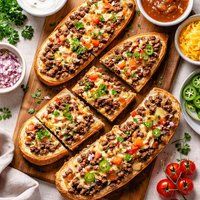
Satisfy your cravings with this quick and indulgent Solo Spam and Cheese on Toast recipe—a perfect one-serving delight ready in just 15 minutes! Featuring crispy, golden Spam layered on buttery toast and smothered with melty Cheddar cheese, this simple yet flavorful dish takes comfort food to the next level. A pinch of black pepper adds a touch of spice, while an optional sprinkle of fresh parsley can brighten the flavors. Ideal as a solo snack or light meal, this dish combines easy prep with satisfying results. Whether you're looking for a hearty breakfast, a savory snack, or a late-night bite, Solo Spam and Cheese on Toast delivers big flavor in every bite.

Smart Nutrition Tracking with SnapCalorie






Recipe Information
Ingredients
- 1 piece Bread slice
- 50 grams Spam
- 30 grams Cheddar cheese
- 10 grams Butter
- 1 pinch Black pepper
- 1 teaspoon Chopped parsley (optional)
Instructions
1. Preheat the oven or toaster oven to 375°F (190°C).
2. Lightly butter one side of the bread slice and set it aside.
3. Slice the Spam into thin pieces, approximately 1/8-inch thick.
4. Heat a skillet over medium heat and cook the Spam slices for 2-3 minutes per side until golden and crispy. Remove from heat.
5. Place the buttered bread slice on a baking sheet, buttered side down.
6. Lay the cooked Spam slices evenly on top of the bread.
7. Grate or thinly slice the Cheddar cheese and spread it over the Spam.
8. Sprinkle a pinch of black pepper on top for added flavor.
9. Transfer the baking sheet to the preheated oven and bake for 6-8 minutes or until the cheese is fully melted and bubbly.
10. Remove from the oven and let cool for 1 minute. Optionally, garnish with chopped parsley for a fresh touch.
11. Serve immediately and enjoy your Solo Spam and Cheese on Toast!
Nutrition Facts
Calories |
421 | ||
|---|---|---|---|
% Daily Value* |
|||
| Total Fat | 31.8 g | 41% | |
| Saturated Fat | 16.1 g | 81% | |
| Polyunsaturated Fat | 1.3 g | ||
| Cholesterol | 92 mg | 31% | |
| Sodium | 916 mg | 40% | |
| Total Carbohydrate | 17.3 g | 6% | |
| Dietary Fiber | 1.2 g | 4% | |
| Total Sugars | 1.2 g | ||
| Protein | 16.9 g | 34% | |
| Vitamin D | 0.6 mcg | 3% | |
| Calcium | 240 mg | 18% | |
| Iron | 1.3 mg | 7% | |
| Potassium | 354 mg | 8% | |
*The % Daily Value tells you how much a nutrient in a serving of food contributes to a daily diet. 2,000 calories a day is used for general nutrition advice.


