
Shrimp Salad on Endive
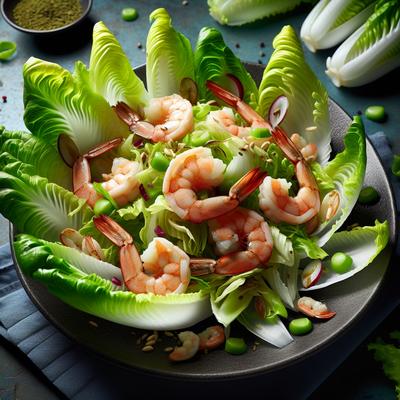
Elevate your appetizer game with this refreshing Shrimp Salad on Endive recipe—a perfect blend of zesty flavors and elegant presentation. Juicy, finely chopped shrimp are tossed with a creamy dressing made from mayonnaise, Greek yogurt, Dijon mustard, fresh dill, and a splash of lemon juice for a tangy twist. Crisp celery and aromatic scallions add a satisfying crunch, while endive leaves serve as natural, bite-sized cups that make serving effortless. Finished with a hint of paprika for a pop of color, this no-cook, 20-minute recipe is ideal for light appetizers, cocktail parties, or as an impressive snack. With its fresh ingredients and low-effort preparation, this dish is sure to impress your guests and tantalize your taste buds!

Log this recipe in SnapCalorie

Recipe Information
Ingredients
- 1 cup Cooked shrimp
- 2 tablespoons Mayonnaise
- 1 tablespoon Greek yogurt
- 1 teaspoon Dijon mustard
- 1 tablespoon Fresh dill
- 1 teaspoon Lemon juice
- 1 stalk Celery
- 2 whole Scallions
- 0.25 teaspoon Salt
- 0.25 teaspoon Black pepper
- 16 whole Endive leaves
- 1 pinch Paprika
Instructions
Finely chop the cooked shrimp into bite-sized pieces and transfer them to a medium mixing bowl.
In a small bowl, whisk together the mayonnaise, Greek yogurt, Dijon mustard, fresh dill, and lemon juice to create the dressing.
Dice the celery into small pieces and thinly slice the scallions. Add both to the shrimp in the mixing bowl.
Pour the dressing over the shrimp mixture and gently fold together until evenly coated.
Season with salt and black pepper to taste, and mix well.
Separate the endive leaves and rinse them gently under cold water. Pat dry with paper towels.
Spoon a small amount of the shrimp mixture onto the wide end of each endive leaf, arranging them on a platter as you go.
Sprinkle a pinch of paprika over the shrimp salad for a touch of color.
Serve immediately as a light appetizer or snack.
Nutrition Facts
Calories |
444 | ||
|---|---|---|---|
% Daily Value* |
|||
| Total Fat | 26.0 g | 33% | |
| Saturated Fat | 2.1 g | 11% | |
| Polyunsaturated Fat | 0.0 g | ||
| Cholesterol | 330 mg | 110% | |
| Sodium | 1255 mg | 55% | |
| Total Carbohydrate | 12.6 g | 5% | |
| Dietary Fiber | 3.8 g | 14% | |
| Total Sugars | 1.6 g | ||
| Protein | 39.8 g | 80% | |
| Vitamin D | 0.0 mcg | 0% | |
| Calcium | 234 mg | 18% | |
| Iron | 5.3 mg | 29% | |
| Potassium | 472 mg | 10% | |
*The % Daily Value tells you how much a nutrient in a serving of food contributes to a daily diet. 2,000 calories a day is used for general nutrition advice.


