
Shrimp Salad Filliing
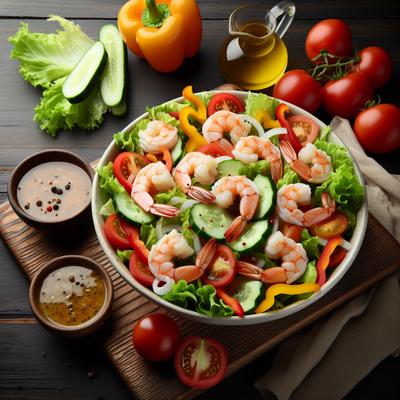
Creamy, zesty, and delightfully versatile, this shrimp salad filling is a perfect blend of succulent shrimp, crisp celery, and tangy red onion, all tossed in a flavorful dressing of mayonnaise, fresh dill, Dijon mustard, and a hint of lemon. Ready in just 15 minutes, this no-cook recipe is ideal for quick lunches or elegant party appetizers. Serve it as a luscious filling for sandwiches and wraps, or elevate your entertaining by spooning it over crackers or fresh greens. Bursting with fresh, citrusy notes and a touch of paprika for subtle warmth, this recipe is a must-try for seafood lovers. Whether you're hosting a gathering or meal prepping for the week, this shrimp salad filling will become your go-to for easy, delicious creations.

Log this recipe in SnapCalorie

Recipe Information
Ingredients
- 450 grams shrimp (cooked, peeled, and deveined)
- 120 grams mayonnaise
- 50 grams celery (finely diced)
- 30 grams red onion (finely diced)
- 5 grams fresh dill (chopped)
- 1 tablespoon lemon juice
- 1 teaspoon Dijon mustard
- 0.5 teaspoon paprika
- 0.5 teaspoon salt
- 0.25 teaspoon black pepper
Instructions
Start by patting the cooked shrimp dry with a paper towel to remove any excess moisture. If the shrimp is large, chop it into bite-sized pieces.
In a large mixing bowl, combine the mayonnaise, celery, red onion, fresh dill, lemon juice, Dijon mustard, paprika, salt, and black pepper. Mix well to create a creamy dressing.
Add the shrimp to the bowl and gently fold it into the dressing until the shrimp is fully coated.
Taste the mixture and adjust seasoning if needed, adding more salt, pepper, or lemon juice according to preference.
Cover the bowl with plastic wrap and refrigerate the mixture for at least 15 minutes to allow the flavors to meld together.
Serve the shrimp salad as a filling for sandwiches, wraps, or use it to top crackers or a bed of mixed greens.
Nutrition Facts
Calories |
1348 | ||
|---|---|---|---|
% Daily Value* |
|||
| Total Fat | 92.4 g | 118% | |
| Saturated Fat | 8.5 g | 42% | |
| Polyunsaturated Fat | 0.0 g | ||
| Cholesterol | 996 mg | 332% | |
| Sodium | 2780 mg | 121% | |
| Total Carbohydrate | 31.3 g | 11% | |
| Dietary Fiber | 2.0 g | 7% | |
| Total Sugars | 2.7 g | ||
| Protein | 109.2 g | 218% | |
| Vitamin D | 0.0 mcg | 0% | |
| Calcium | 218 mg | 17% | |
| Iron | 2.5 mg | 14% | |
| Potassium | 1424 mg | 30% | |
*The % Daily Value tells you how much a nutrient in a serving of food contributes to a daily diet. 2,000 calories a day is used for general nutrition advice.


