
Scandanavian Mustard and Dill Sauce Finland
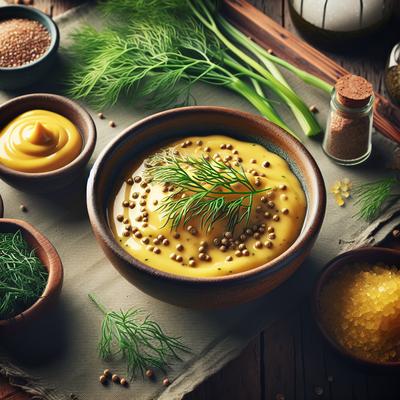
Elevate your Nordic-inspired dishes with this Scandanavian Mustard and Dill Sauce, a Finnish classic bursting with flavor! Crafted in just 10 minutes, this creamy, aromatic sauce combines the tangy richness of Dijon and whole-grain mustard with the sweet touch of honey and a hint of white wine vinegar. Freshly chopped dill adds a fragrant, herbal note, while the emulsification of vegetable oil creates a luxuriously smooth texture. Perfect as a vibrant accompaniment to gravlax, smoked salmon, boiled new potatoes, or even fresh bread, this versatile sauce is a must-have for your Scandinavian culinary repertoire. Its quick preparation and storage-friendly nature make it an ideal choice for both weeknight meals and elegant gatherings.

Log this recipe in SnapCalorie

Recipe Information
Ingredients
- 3 tablespoons Dijon mustard
- 1 tablespoon Whole-grain mustard
- 2 tablespoons Honey
- 1 tablespoon White wine vinegar
- 1 cup Vegetable oil
- 3 tablespoons Fresh dill, finely chopped
- 0.5 teaspoon Salt
- 0.25 teaspoon Ground white pepper
Instructions
In a medium-sized mixing bowl, combine the Dijon mustard, whole-grain mustard, honey, and white wine vinegar. Whisk until smooth and well blended.
Slowly pour in the vegetable oil in a thin, steady stream while continuously whisking. This will help emulsify the sauce, creating a creamy texture.
Stir in the finely chopped fresh dill, salt, and ground white pepper. Mix well to ensure all the ingredients are evenly incorporated.
Taste the sauce and adjust seasoning if needed, adding more salt, pepper, or honey to suit your preference.
Transfer the sauce to a serving bowl or jar. It can be used immediately or chilled in the refrigerator for up to 5 days for the flavors to develop further.
Serve the mustard and dill sauce as a complement to gravlax, smoked salmon, new potatoes, or as a dipping sauce for bread.
Nutrition Facts
Calories |
2024 | ||
|---|---|---|---|
% Daily Value* |
|||
| Total Fat | 218.7 g | 280% | |
| Saturated Fat | 29.9 g | 150% | |
| Polyunsaturated Fat | 134.4 g | ||
| Cholesterol | 0 mg | 0% | |
| Sodium | 2384 mg | 104% | |
| Total Carbohydrate | 36.1 g | 13% | |
| Dietary Fiber | 1.0 g | 4% | |
| Total Sugars | 34.7 g | ||
| Protein | 1.0 g | 2% | |
| Vitamin D | 0.0 mcg | 0% | |
| Calcium | 25 mg | 2% | |
| Iron | 0.7 mg | 4% | |
| Potassium | 69 mg | 1% | |
*The % Daily Value tells you how much a nutrient in a serving of food contributes to a daily diet. 2,000 calories a day is used for general nutrition advice.


